Baking Game for Kids
A sweet way to master patience, creativity, and sequencing




About SKIDOS Baking Game for Kids
- A delightful baking game for kids that turns pretend cooking into playful learning
- Builds early life skills through step-by-step cake making and kitchen play
- Encourages creativity, patience, and following simple sequences
- A joyful cake-making game designed especially for young learners
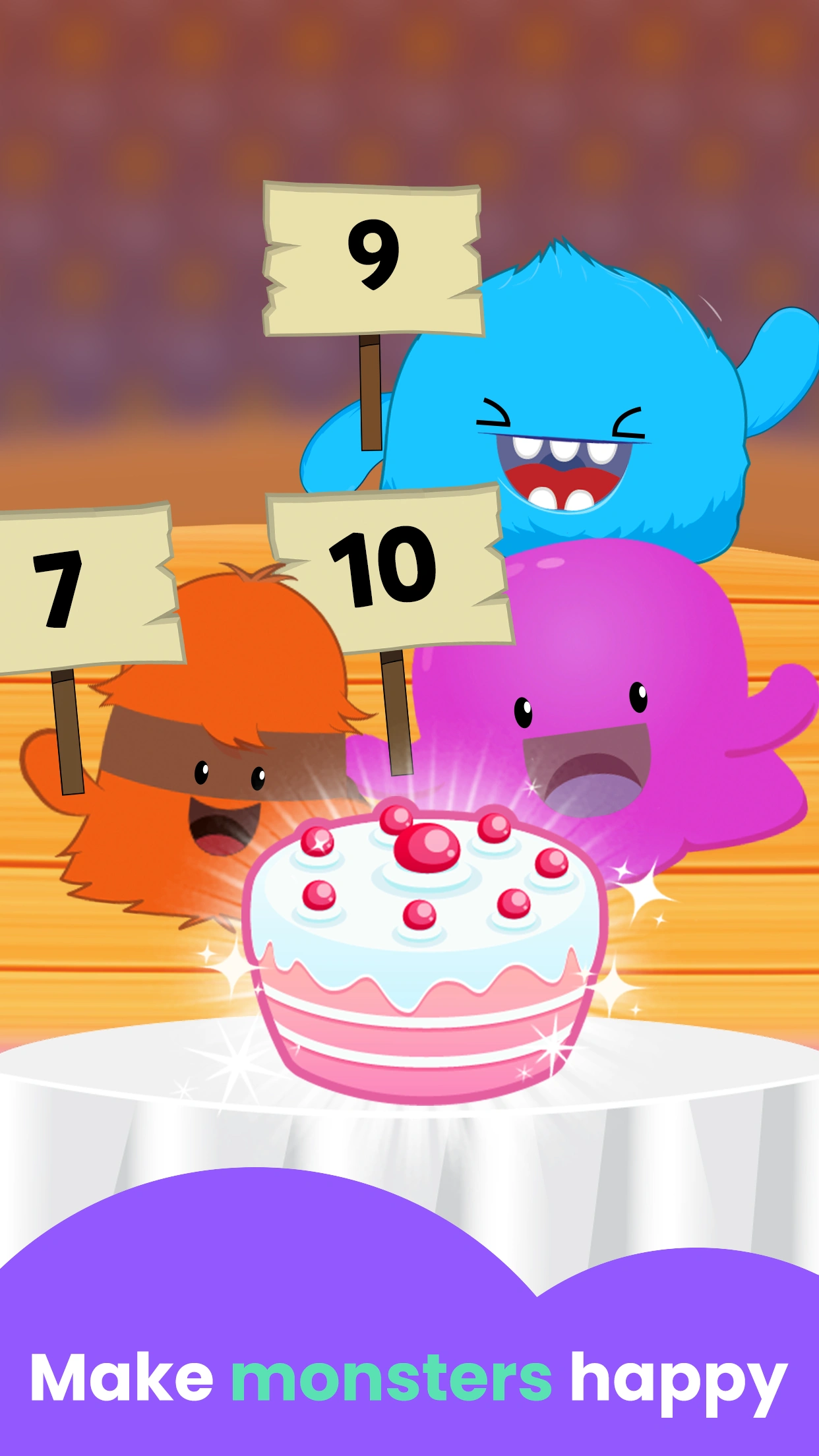
SKIDOS Baking Game invites children into a cozy digital kitchen where mixing, baking, and decorating feel exciting and friendly. Instead of rushing or tapping endlessly, kids slow down and enjoy the process, choosing ingredients, stirring batter, baking cakes, and adding colorful toppings at their own pace. This baking game for kids feels like imaginative play brought to life. Children aren't just playing a game, they're pretending, planning, and creating something they're proud of.
What Kids Learn?
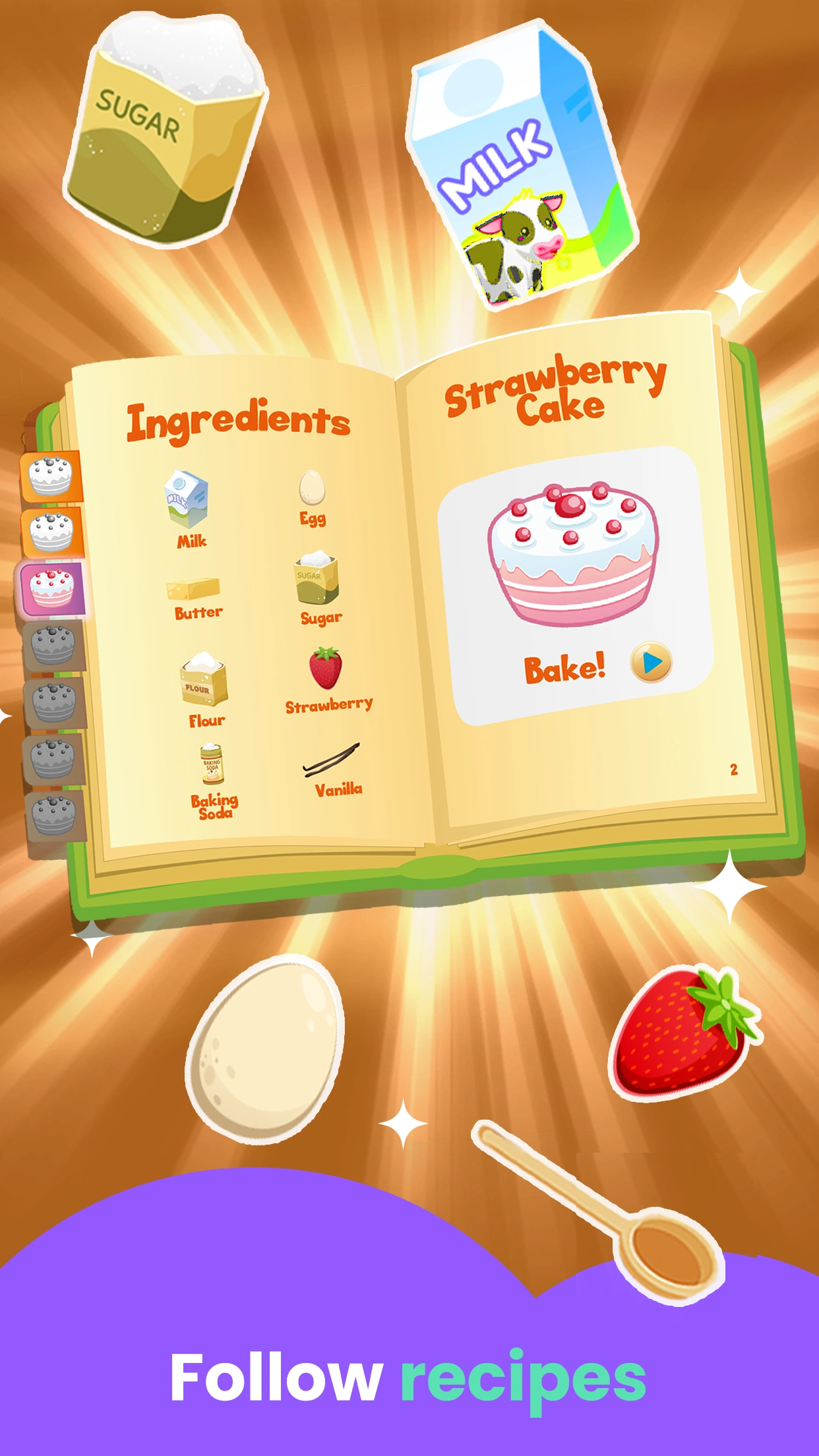
In the SKIDOS Baking Game for Kids, learning happens quietly in the background while fun takes center stage. As children follow simple baking steps, mix, bake, decorate - they naturally practice sequencing and logical thinking. Choosing ingredients and tools encourages decision-making, while repeating actions builds focus and memory. The cake-making game also supports fine motor skill development through gentle tap-and-drag actions like pouring, stirring, and decorating. There's no pressure to get it right. Children are free to explore, try again, and enjoy the process, which helps build patience and confidence.

Cognitive Development

Executive Function

Creative Imagination
Perfect for Kids Aged 4-8
This baking game for kids is designed for preschoolers and early learners aged 4 to 8. Younger children enjoy simple actions like mixing and decorating, while older kids begin to understand order, timing, and creativity in the kitchen. Whether your child loves pretend play or enjoys helping out while you bake at home, this cake-making game feels familiar and comforting. It fits beautifully into short play sessions and works well as part of balanced screen time, where learning feels gentle and joyful rather than forced.



Learning that Parents Recommend
She’s following steps and staying focused
Isabelle used to skip ahead and lose interest quickly, but now she carefully follows each recipe. In the baking game, she’s learning to stay on task, remember ingredients, and take pride in her creations. Watching her grow more focused and confident through playful baking has been a joy.
Isabelle’s Mom, Parent of a 6-year-old
He’s decorating with creativity and care
Liam always loved colors, but now he’s using them with purpose. In the baking game, he chooses toppings thoughtfully, experiments with patterns and creates new designs on the cake. It’s helped him express his imagination while building coordination. I love seeing his artistic side shine through every cake he decorates.
Liam’s Dad, Parent of a 5-year-old
She’s learning patience and problem-solving
Sofia used to get upset when things didn’t go perfectly. Now, she’s learning to try again, fix mistakes, and enjoy the cooking-baking process. The baking game gently teaches her to think ahead and adapt. It’s amazing to see her learn with excitement & joy!
Sofia’s Mom, Parent of a 4-year-old
Core Learning Benefits

Promotes Family Bonding

Seamless Blend of Play and Purpose

Safe Learning Environment
FAQs
Do baking games for kids encourage creativity?
+Absolutely. Kids can decorate cakes freely, choose colors, and experiment with different toppings. There's no single right outcome, which encourages imagination and self-expression. This creative freedom helps children feel proud of what they create.
What makes the SKIDOS Baking Game different from other cooking games for kids?
+Unlike fast-paced cooking games that focus on speed, this baking game is all about enjoying the process. Children take their time choosing ingredients, mixing batter, baking, and decorating. There's no rush or scoring pressure, which makes it feel more like real pretend play and less like a typical mobile game.
Is this baking game designed to feel calm rather than overwhelming?
+Yes. The entire experience is designed to feel cozy and reassuring. There are no loud timers or penalties. Children are free to explore, try again, and enjoy the process, which helps build confidence and a positive attitude toward learning.
How can parents balance screen time with learning games?
+Learning games work best when used as part of balanced screen time. Parents can talk about what their child is playing, connect it to real-world activities, or play together. Short, meaningful sessions are more effective than long, passive screen use.
What should parents look for in quality educational games for kids?
+Parents should look for games that are age-appropriate, calm in design, and focused on learning through play. Clear goals, positive feedback, and simple interactions help ensure children feel supported rather than overwhelmed. Games that grow with the child often offer the most long-term value.
How do educational games support early childhood development?
+Educational games help children build cognitive, motor, and emotional skills at the same time. Through repeated play, kids practice problem-solving, focus, memory, and coordination. Many games also encourage creativity and emotional awareness by allowing children to explore and express ideas freely.
Can learning games help children develop real-life skills?
+Many learning games mirror everyday experiences and routines in a playful way. This helps children understand concepts like following steps, being patient, and completing tasks. When paired with real-life practice, these games can reinforce skills children use in daily life.
Can younger and older kids enjoy the game differently?
+Yes. Younger children often enjoy simple actions like stirring and decorating, while older kids start paying attention to order, timing, and experimenting with different combinations. The game grows with your child, making it enjoyable across ages.
Discover More Fun Games

Doctor Games for Kids
Empathy & Compassion
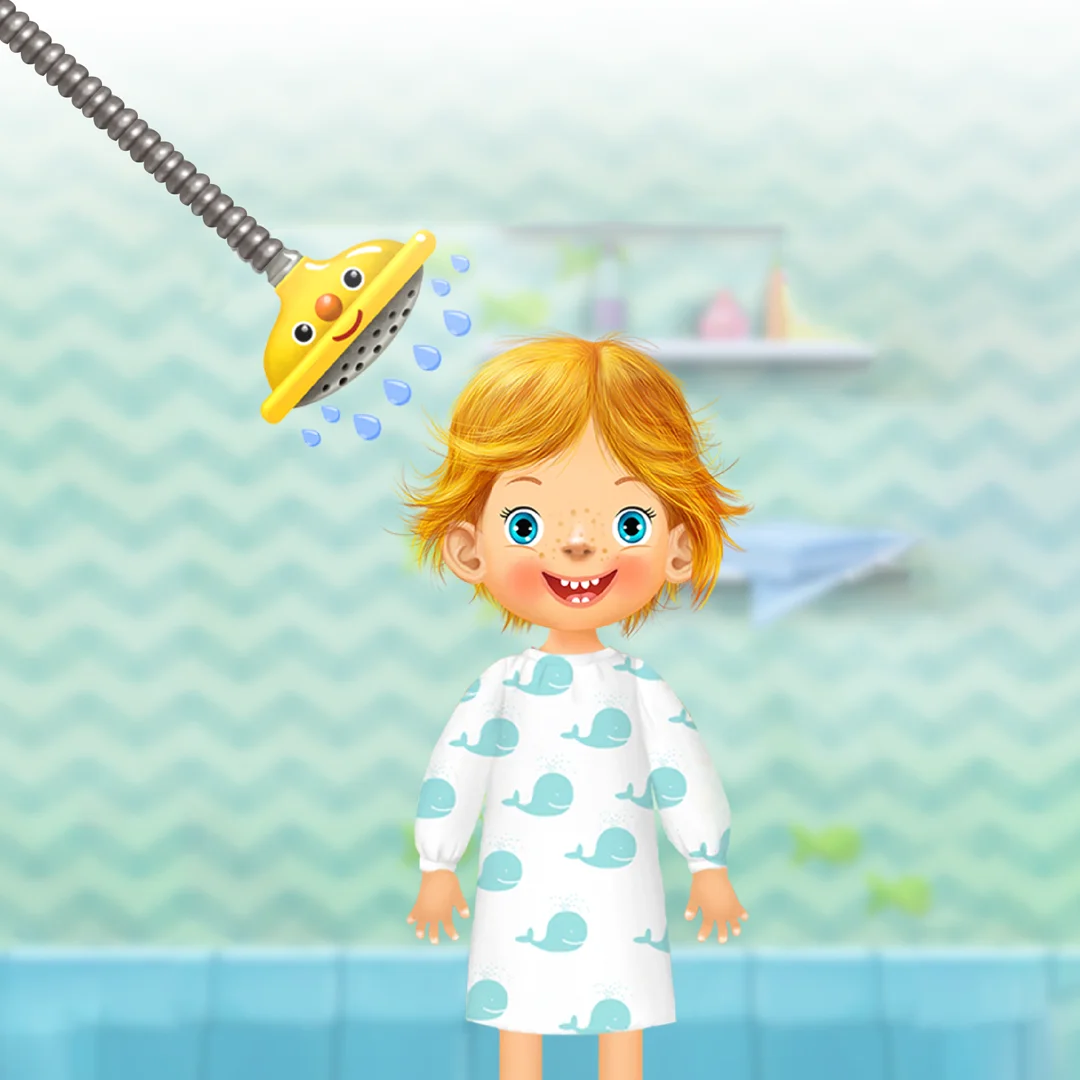
Bath Game for Kids
Personal Hygiene Awareness

Coloring Book
Creative