Educational Games for Kids
Where play meets learning, helping kids grow smarter every day.




Why These Games Matter
- Turn passive screen time into active learning
- Build confidence through small daily wins
- Support school readiness and independent thinking
- Keep kids engaged without feeling like "study time"
In today’s digital world, not all screen time is created equal. Educational games help bridge the gap between play and learning by turning everyday interactions into meaningful experiences. Instead of simply consuming content, kids actively participate, solve problems, make decisions, and explore new concepts at their own pace. This kind of engagement not only improves retention but also builds curiosity and a positive attitude toward learning.
What Kids Learn?
Educational games for kids are thoughtfully designed to support multiple areas of development in a balanced and engaging way. From early math and reading skills to creativity and critical thinking, these games provide a strong foundation that grows with your child.
As kids interact with different types of challenges, they begin to recognize patterns, improve memory, and develop problem-solving abilities. At the same time, they learn how to focus, follow instructions, and complete tasks independently, skills that are essential both in school and everyday life.
What makes these games effective is their ability to adapt to different learning speeds, allowing children to practice without pressure and build confidence step by step. Over time, this creates a positive learning habit where kids start enjoying the process of discovering new things.

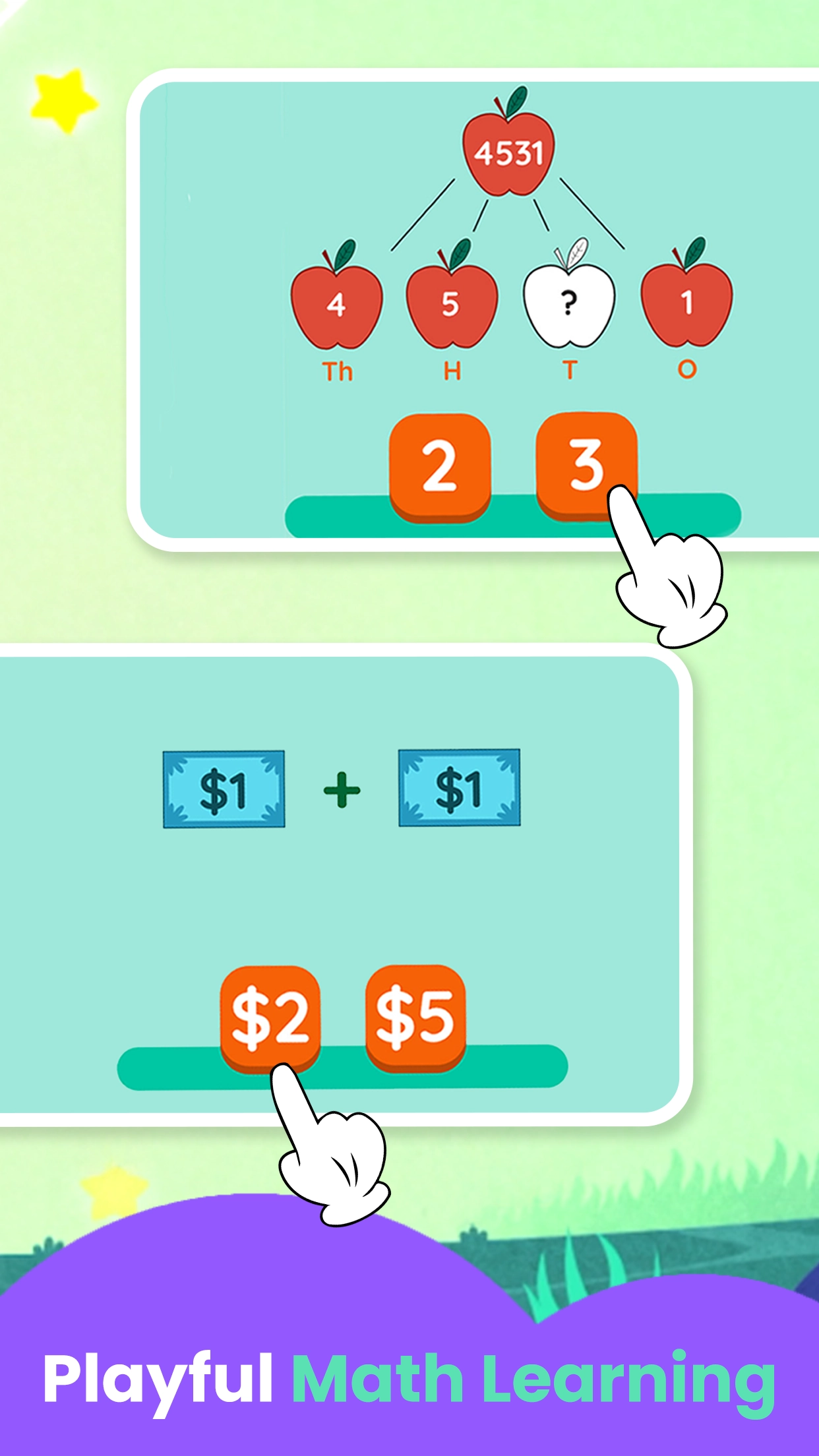
Math & Problem Solving

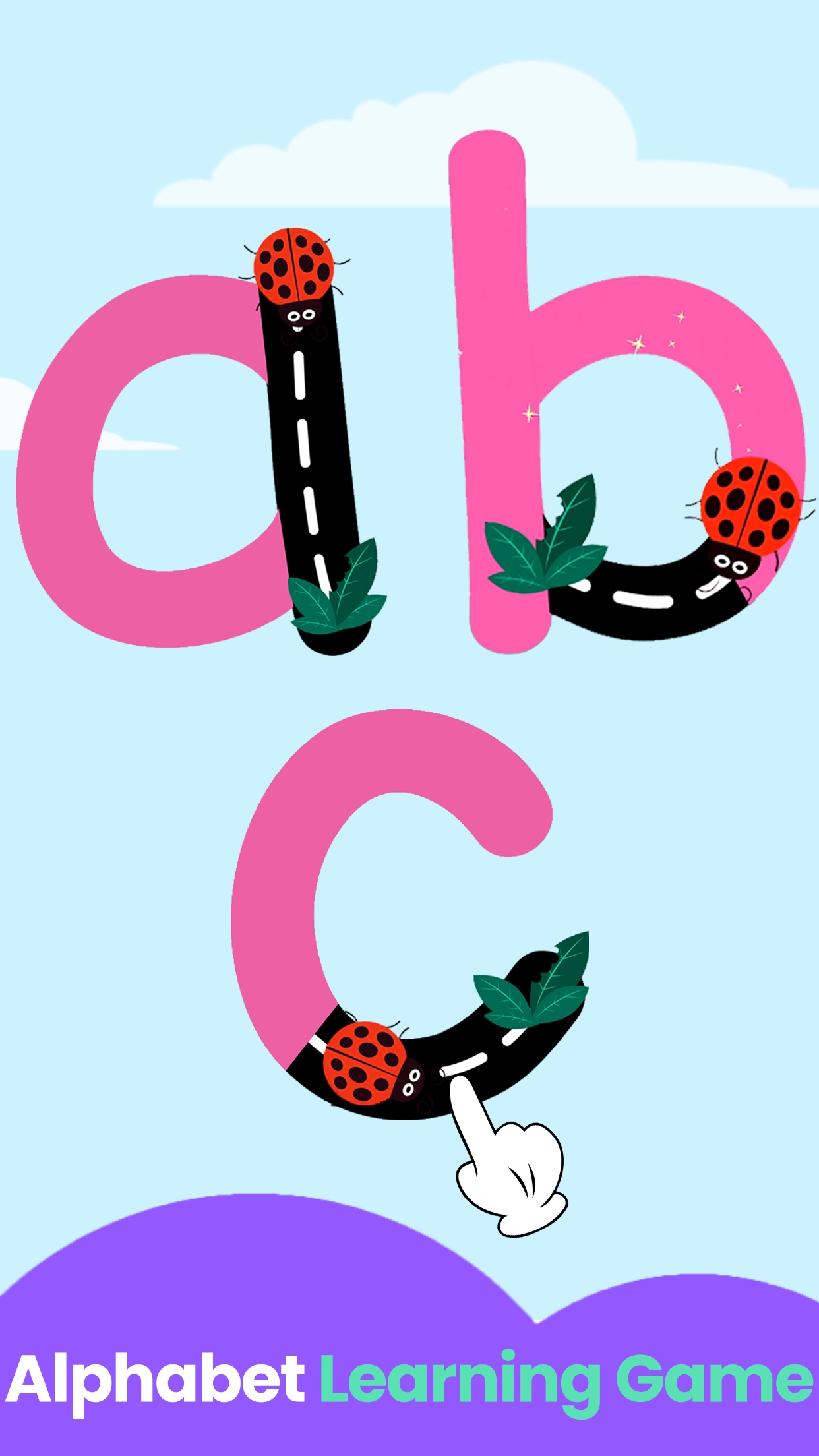
Reading & Language Skills

Creativity & Cognitive Skills
Why Parents Choose SKIDOS
Parents choose SKIDOS because it goes beyond just keeping kids busy; it helps them grow. Every game is designed with a clear learning goal, making it easier for parents to support their child's development without needing constant supervision. It also reduces the guilt often associated with screen time, replacing it with confidence that their child is learning something valuable.
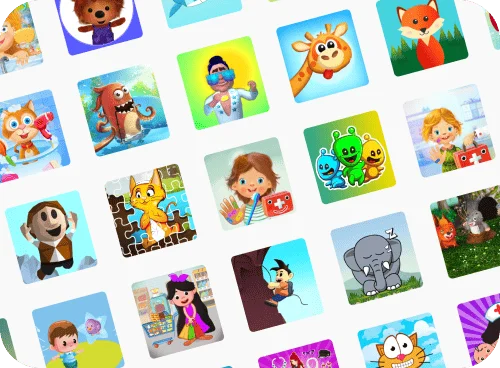
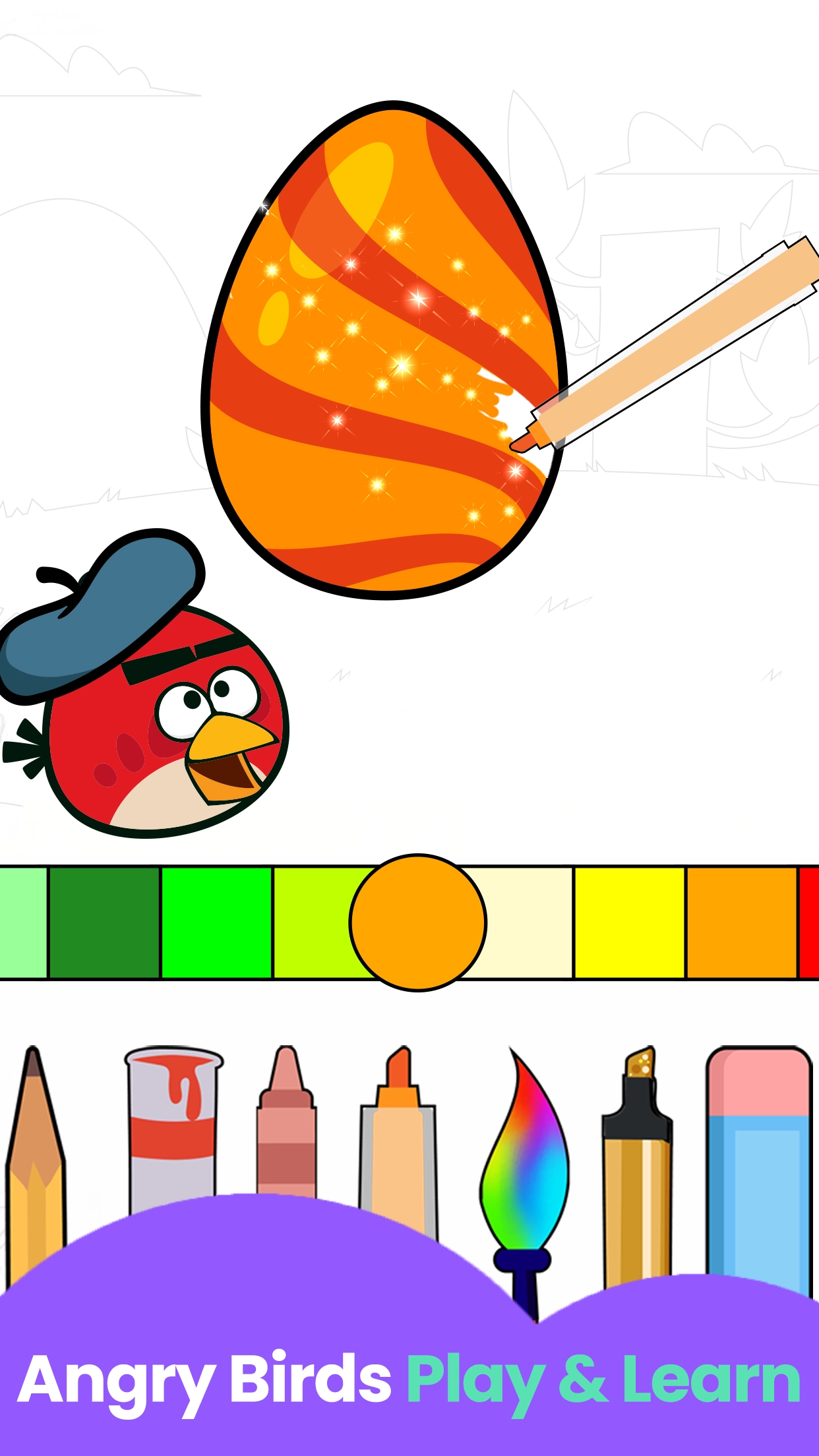
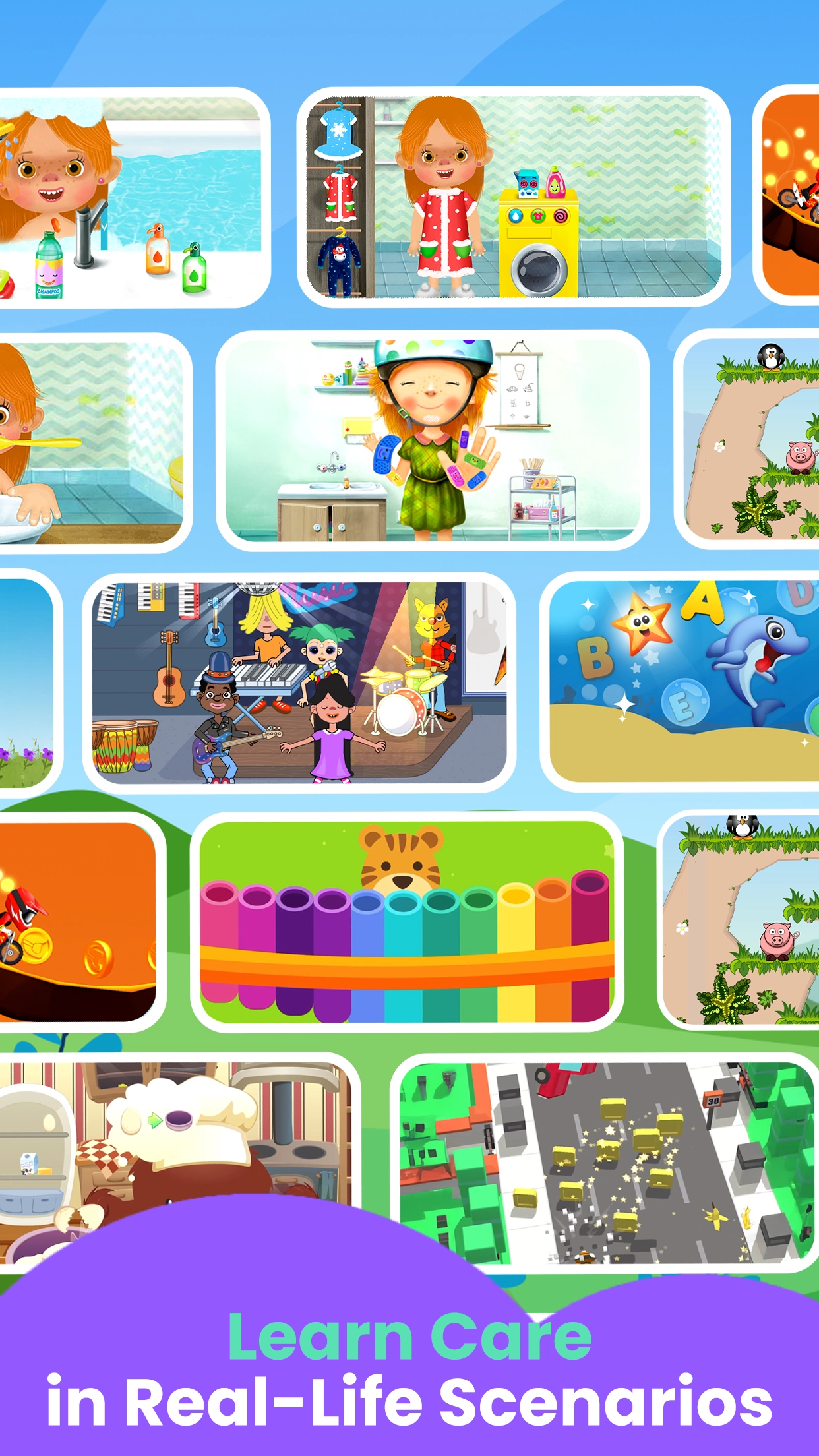
From playful Angry Birds games for kids that build thinking skills to engaging doctor games for kids, and ChuChu TV Nursery Rhymes, where children explore care and empathy, each experience is designed to feel meaningful and fun. You can also explore hospital games for kids that help children understand real-world situations through interactive play, along with reading and learning games that support early development.
Discover how these learning games for kids come together to create a well-rounded experience where play, creativity, and skill-building go hand in hand.
Learning that Parents Recommend
Fun way to learn👍
My younger son, 4 yrs old absolutely love this app. The characters are adorable and sneak in math and English practice without feeling like homework. Highly recommended for preschoolers.
Stephen's Mom, Mother of a 4-year-old
Playful learning
I really like the engaging content in this app. Perfect for kids and they learn on the go. It's has so many activities apart from game which are super fun for my kids.
Maria's Dad, Father of a 5-year-old
Fun and smart learning for kids
It make's learning fun and engaging for kids. My kids stay engaged and actually enjoy doing math question. It has good gameplay. Big win for parents.
Tyra's Mom, Mother of a 6-year-old
Core Learning Benefits
Trusted by Parents

Impact Made

Awards & Achievements
FAQs
What are educational games for kids?
+Educational games for kids are interactive activities designed to teach skills like math, reading, problem-solving, and creativity through math & reading games for kids. They make learning engaging and easier to understand.
Are educational games really effective for learning?
+Yes, educational games are highly effective because they combine learning with engagement. Kids tend to retain information better when they learn through interactive and enjoyable experiences.
At what age are educational games suitable for?
+Most educational games are designed for kids aged 3 to 10, with different difficulty levels to match each stage of learning and development.
How do educational games help with child development?
+They improve cognitive skills, boost memory and focus, encourage problem-solving, and help children build confidence in their abilities.
Can educational games replace traditional learning?
+Educational games are best used as a supplement to traditional learning. They reinforce concepts taught in school and make practice more enjoyable.
How do learning games for kids keep children engaged longer?
+Learning games for kids are designed to feel interactive and rewarding. With small challenges, instant feedback, and playful elements, children stay interested because they feel involved rather than just watching or listening.
Do educational games help children learn at their own pace?
+Yes, most educational games are designed to adapt to a child’s learning speed. Kids can repeat activities, explore different levels, and practice concepts without pressure, which helps build confidence over time.
What skills do kids develop beyond academics through educational games?
+Along with math and reading, children develop important life skills like focus, decision-making, patience, and independent thinking. These skills support both school learning and everyday problem-solving.
Discover More Fun Games

Doctor Games for Kids
Empathy & Compassion

Motorcycle Racing Game
Focus, Strategy & Coordination
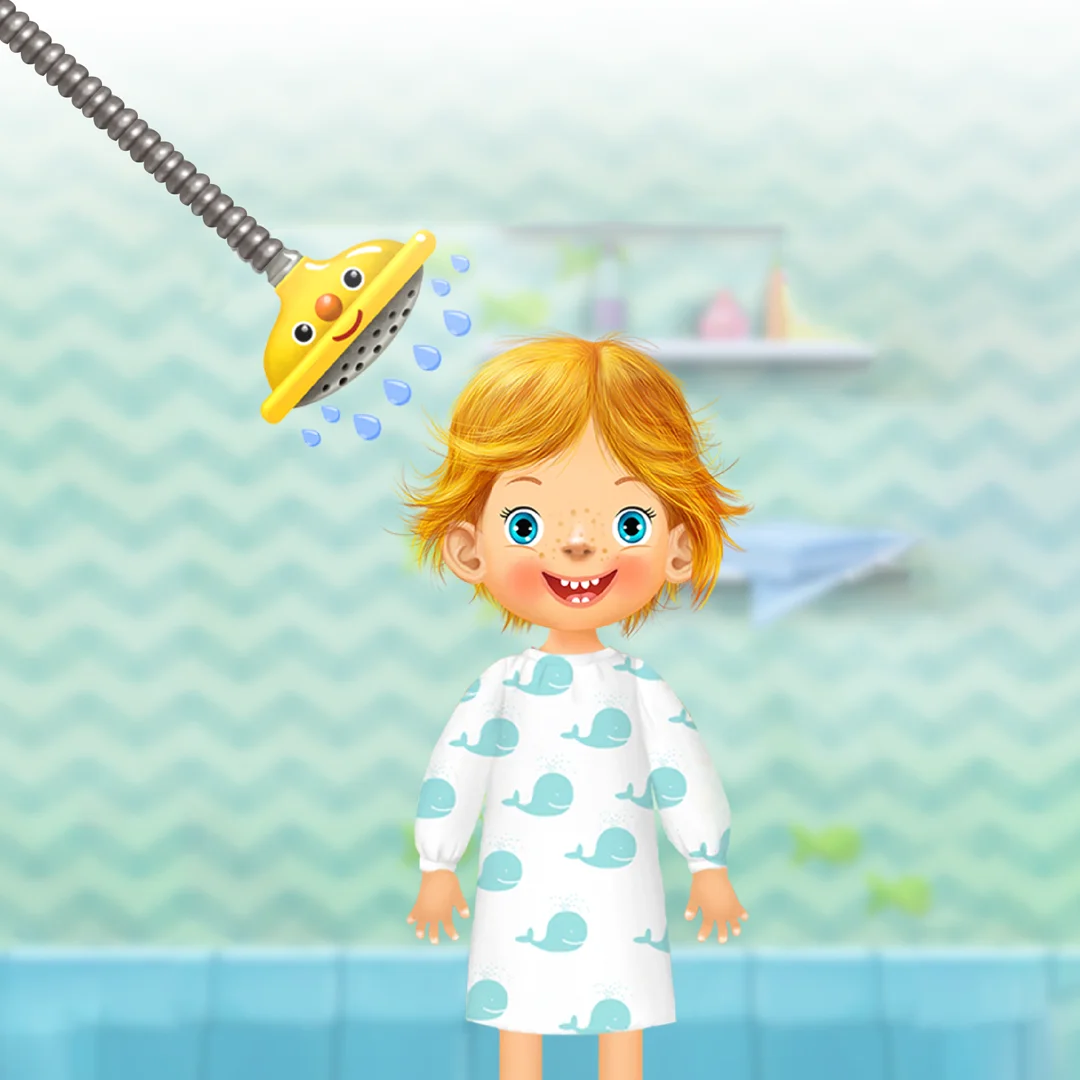
Bath Game for Kids
Personal Hygiene Awareness