Emotional Well-Being
Foster emotional growth, empathy, and resilience




About SKIDOS Emotional Well-Being
- SEL-focused learning games for kids built on social-emotional learning activities
- Designed around the CASEL framework for emotional growth
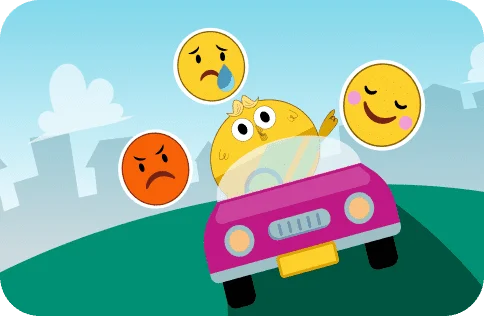
- Gentle mood check-ins that help children feel heard and safe
- Stories, games, and tools that support real emotional skills
Emotions are a big part of childhood, but they’re not always easy to explain—especially for young kids. SKIDOS Emotional Well-Being is created for moments like these. It offers a calm, supportive space where children can explore feelings at their own pace, without pressure or judgment. Built with guidance from educators and grounded in the CASEL framework, SKIDOS Emotional Well-Being blends play with purpose. Everything is designed to feel safe, encouraging, and age-appropriate—never overwhelming.
What Kids Learn?
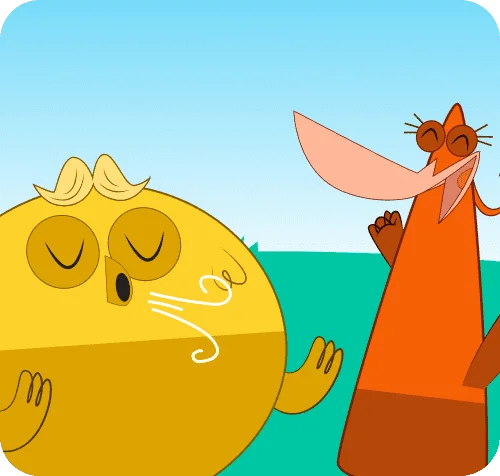
Emotional learning works best when it feels natural. In SKIDOS Emotional Well-Being, children learn by doing, noticing, and reflecting through play. Daily mood check-ins help children pause and reflect, building emotional awareness and trust. Over time, kids learn that feelings change, and that’s okay. Through emotional regulation games, children practice calming strategies like breathing, taking breaks, and thinking before reacting.

Mindfulness & Self-Reflection
Growth Mindset & Resilience
Communication & Expression
Perfect for Kids Aged 6-8
SKIDOS Emotional Well-Being is designed for children aged 6 to 8, supporting early learners through key emotional milestones. Younger children explore basic feelings and emotional safety, while older kids develop deeper skills like empathy, problem-solving, and self-reflection.
Learning that Parents Recommend
She Finally Talks About Her Feelings
Usually, Olivia would just shut down when she was upset. However, after SKIDOS, she checks her mood every morning and actually tells me what she’s feeling. The stories helped her understand emotions in a way that clicked. It’s made our conversations so much easier, and honestly, more meaningful.
Olivia’s Mom, Mother of a 6-year-old
He’s Learning to Pause and Breathe
Jackson used to go from zero to meltdown in seconds. With SKIDOS, he’s learned to take a breath and say what’s wrong. The games don’t feel like lessons, they’re fun, and they work. I’ve seen a real change in how he handles tough moments. It’s a relief.
Jackson’s Dad, Father of a 7-year-old
She’s Not Bottling Things Up Anymore
Sofia was always quiet about her feelings. Since using SKIDOS, she’s started opening up, telling me when she’s sad, or when something feels unfair. The animations and stories made it easier for her to relate. It’s like she’s found her voice, and I couldn’t be happier.
Sofia’s Mom, Mother of a 7.5-year-old
Core Learning Benefits
Built on the Trusted CASEL Framework
Supports Mental Health & Emotional Regulation
Strengthens Parent-Child Connection
FAQs
What are emotional well-being games for kids?
+Emotional well-being games for kids are learning games designed to help children understand emotions, manage feelings, and build healthy social skills. They use stories, play, and reflection to support social-emotional learning in a way that feels safe and engaging.
How do SEL games support social-emotional learning activities?
+SEL games turn social-emotional learning activities into interactive experiences. Instead of lessons or lectures, children learn by exploring emotions through stories, role-play, and thoughtful challenges that help skill development naturally over time.
Are these learning games for kids based on real educational frameworks?
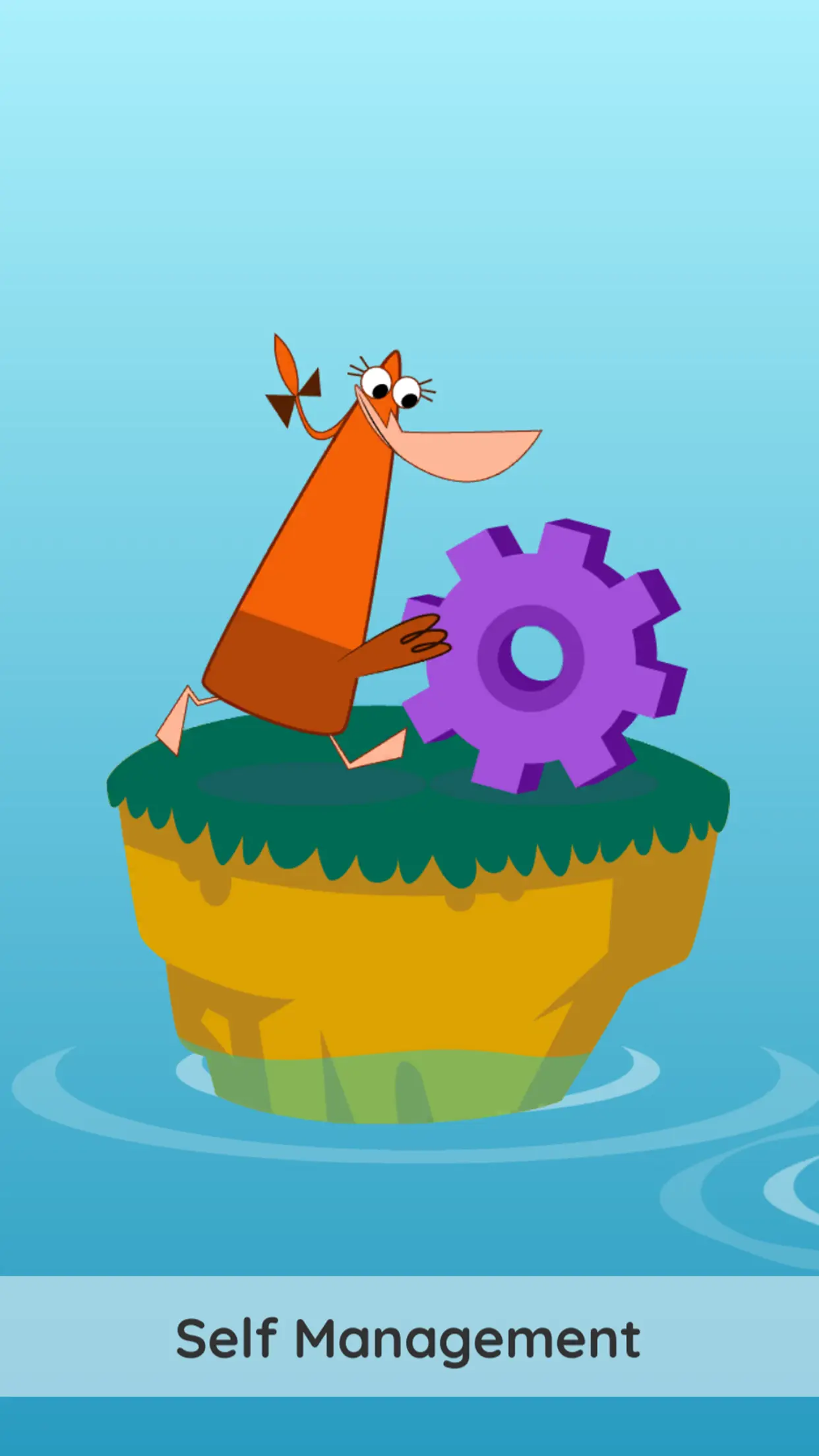
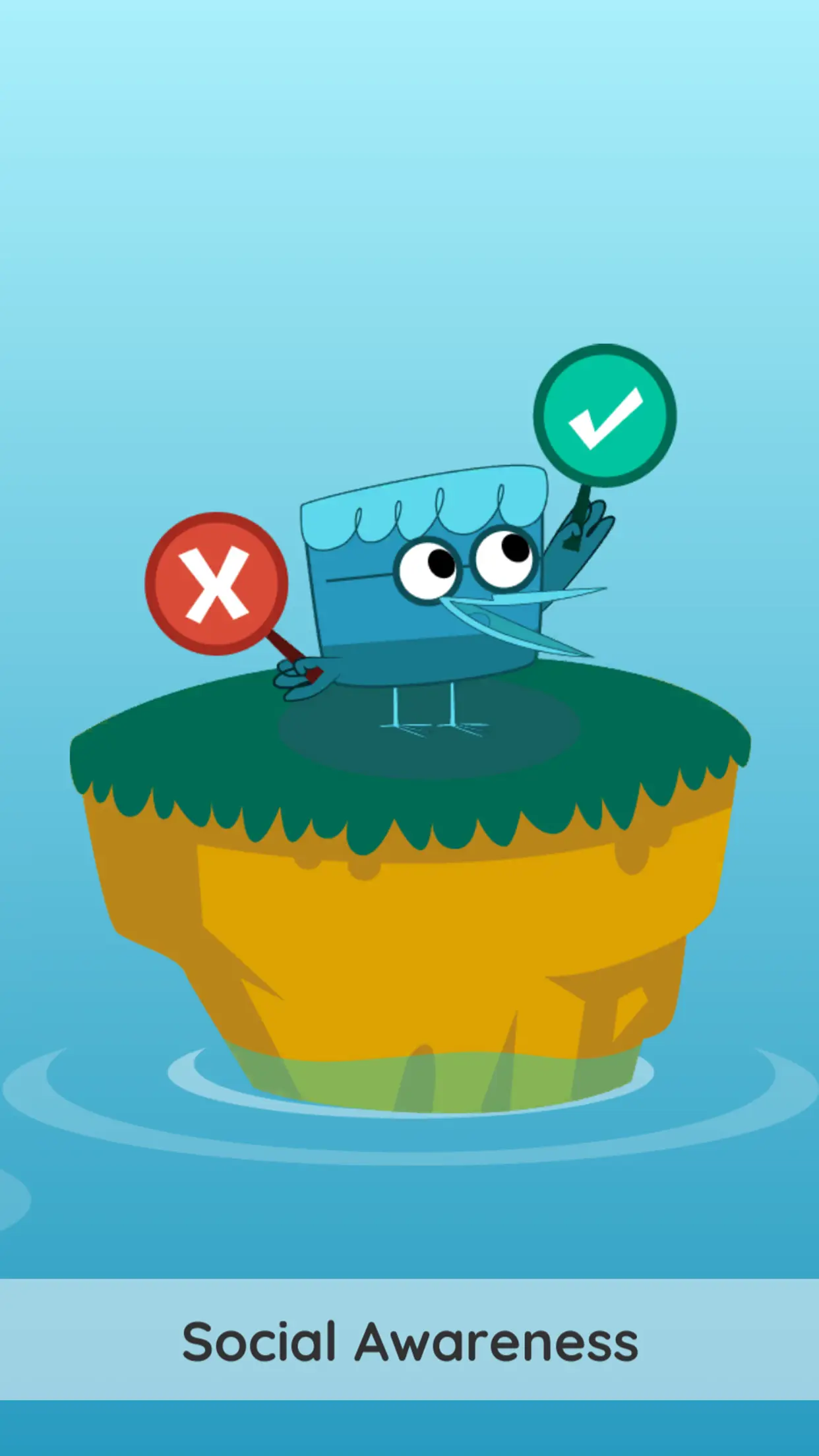
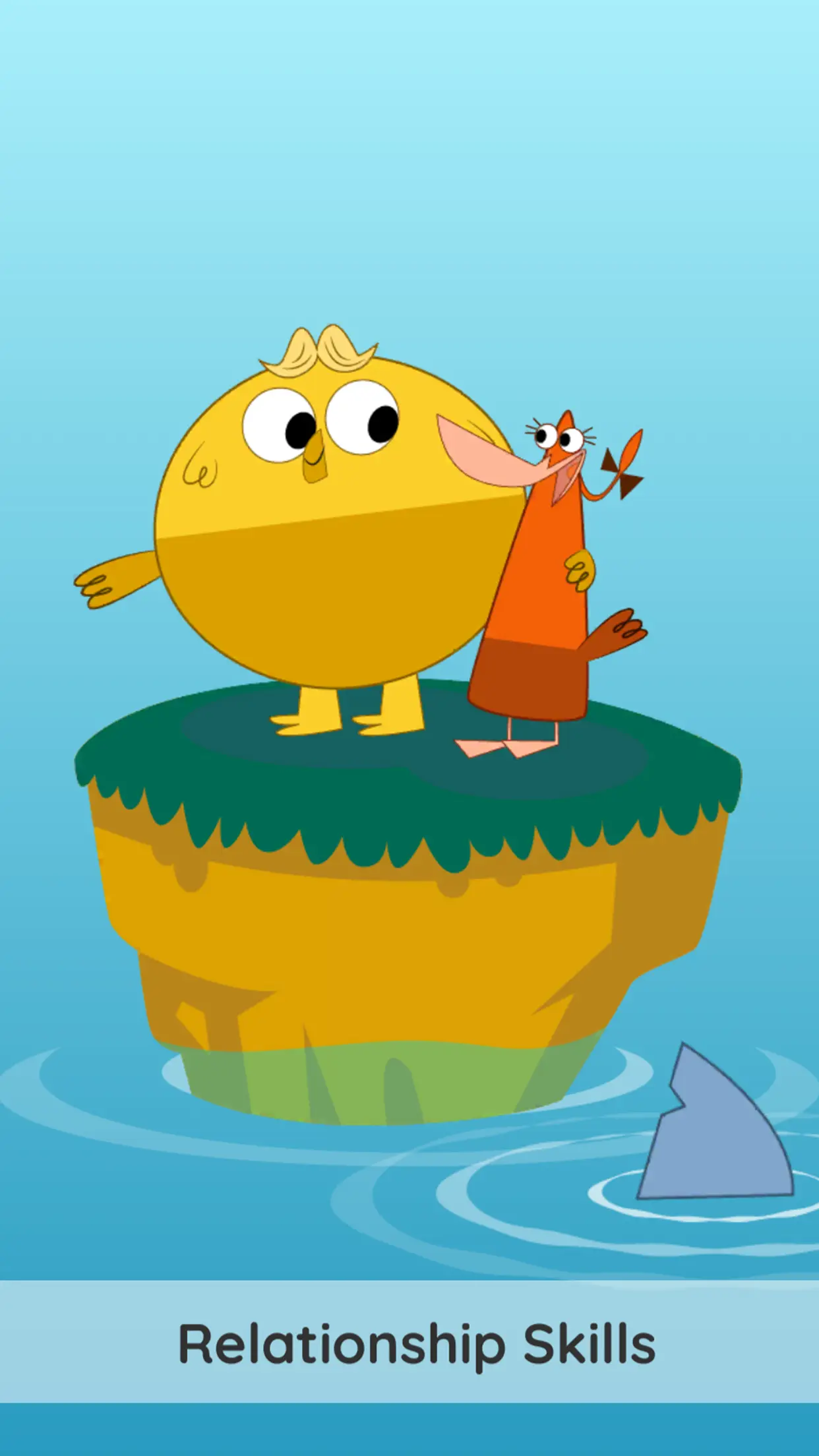
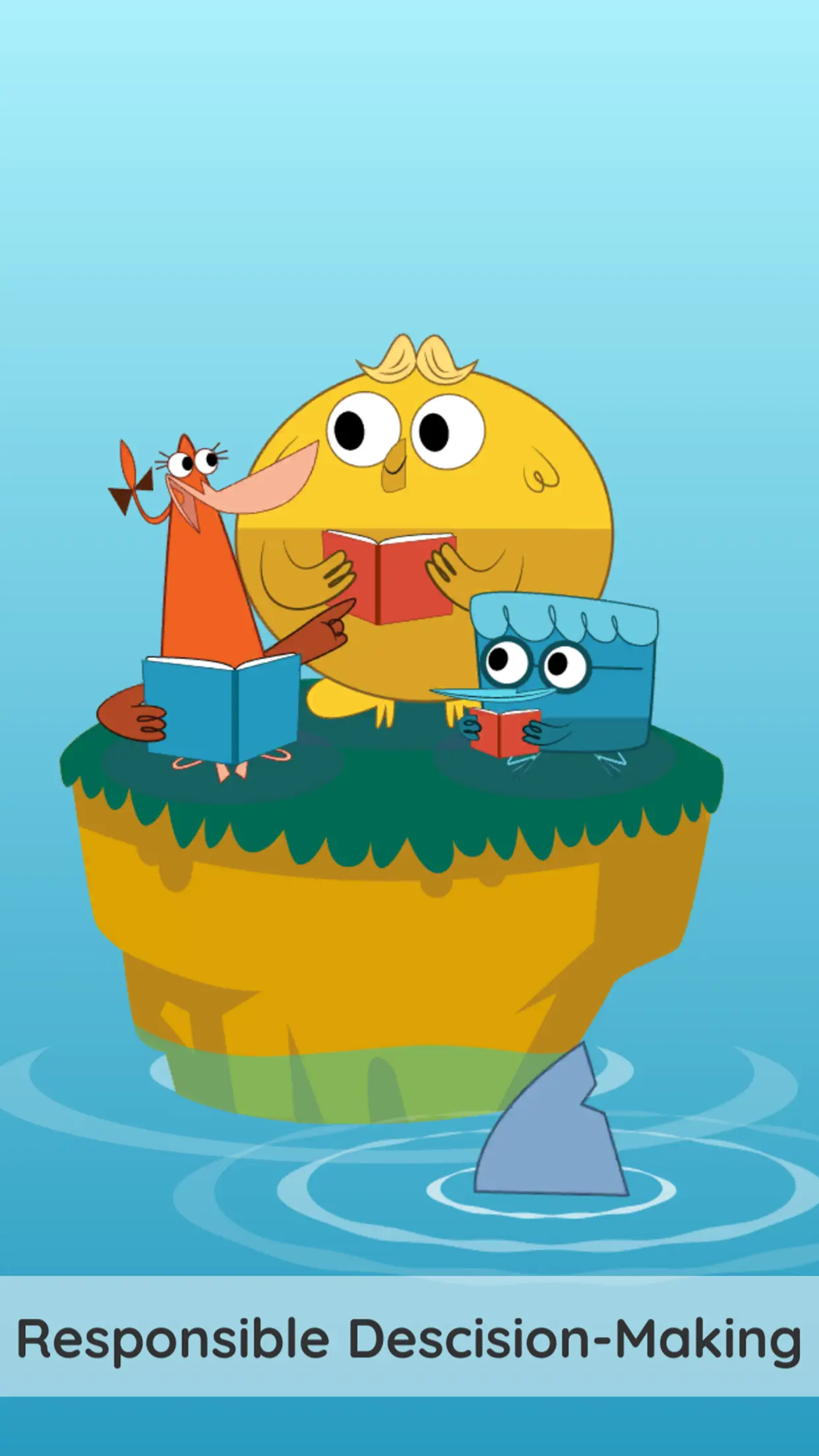
+Yes. SKIDOS Emotional Well-Being is aligned with the CASEL framework, which focuses on self-awareness, self-management, social awareness, relationship skills, and responsible decision-making, which are key foundations of emotional learning.
How does the mood checker help children emotionally?
+The mood checker encourages kids to pause and reflect on how they’re feeling each day. This simple habit builds emotional awareness, helps children feel heard, and creates a sense of emotional safety and trust.
Can emotional well-being games help with behavior and focus?
+Yes. When children understand their emotions, they’re better able to manage reactions, focus on tasks, and communicate needs calmly. Emotional regulation games support these skills through gentle practice rather than correction.
Are these social-emotional learning activities suitable for home use?
+Absolutely. These learning games for kids are designed to fit easily into daily routines at home. Parents can use them as conversation starters, quiet reflection time, or supportive tools during emotional moments.
Do emotional learning games replace real-life interaction?
+No. Emotional well-being games are meant to support real-life learning, not replace it. They give children language, confidence, and strategies that make everyday conversations and experiences more meaningful.
How does SKIDOS Emotional Well-Being differ from other SEL apps?
+SKIDOS focuses on calm, story-driven learning rather than fast or reward-heavy gameplay. The experience is designed to feel emotionally safe, developmentally thoughtful, and deeply supportive, making social-emotional learning activities feel personal and approachable.
Discover More Fun Games
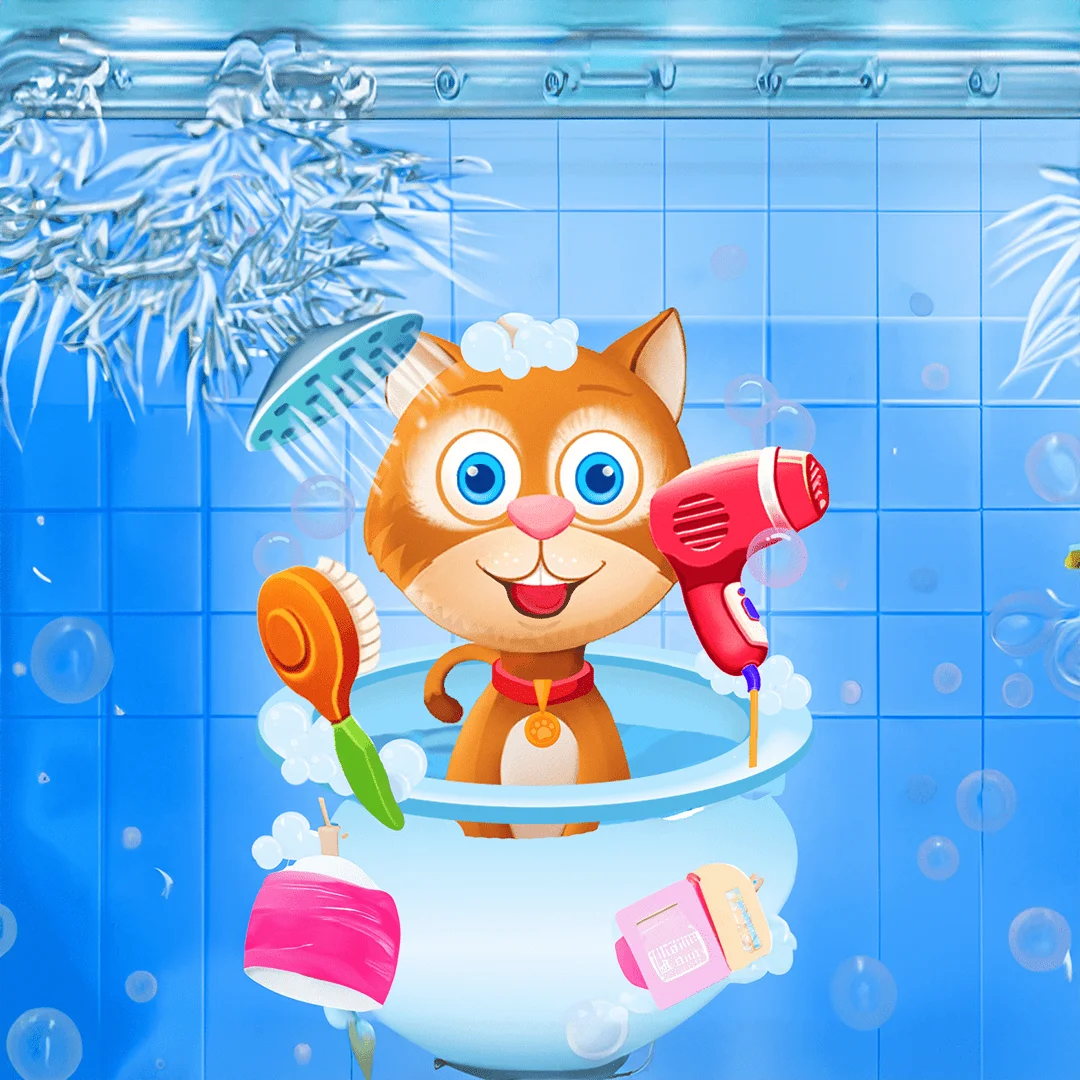
Animal Care
Empathy
Rabbit Rescue Game
Cognitive, Motor & Emotional Skills
Bath Game for Kids
Personal Hygiene Awareness