Math Games for Kids
Make math feel like play, where kids learn numbers, patterns, and problem-solving skills.




Why These Games Matter
- Build a strong foundation in numbers from an early age
- Make learning math less stressful and more enjoyable
- Improve problem-solving through everyday challenges
- Boost confidence with small, consistent progress
For many kids, math can feel intimidating when it’s introduced as a subject. But when it becomes part of play, the experience changes completely. Math games for kids help remove that fear by turning numbers into something familiar and fun. Instead of memorizing, children begin to understand how things work, whether it’s counting objects, recognizing patterns, or solving simple problems.
Over time, this playful exposure helps kids feel more comfortable with math. They start approaching challenges with curiosity instead of hesitation, which makes a big difference in how they learn both at home and at school.
What Kids Learn?
Math games for kids are designed to build essential skills step by step, making them an important part of well-rounded educational games for kids. Through interactive play, children are introduced to concepts like counting, addition, subtraction, and number patterns in a way that feels natural and easy to follow.
As they play, kids begin to understand how numbers connect to real-life situations. They learn to solve problems, think logically, and improve their memory without the pressure of getting everything right the first time. This kind of learning encourages them to try again, explore different approaches, and build confidence along the way.
With regular practice, children develop better focus, quicker thinking, and a deeper understanding of basic math concepts. These skills not only help in academics but also in everyday decision-making and reasoning.
Numerical Reasoning

Builds Real-World Math Confidence

Supports Early Learning
Why Parents Choose SKIDOS
Parents choose SKIDOS because it makes learning math simple, engaging, and stress-free. Instead of traditional methods that may feel repetitive, SKIDOS uses interactive gameplay to help children understand concepts at their own pace.
By combining math games for kids with a broader range of educational games for kids, the platform ensures that children stay engaged while building real-life skills. Each activity is designed to encourage independent thinking and gradual improvement, so kids don’t feel pressured while learning.
It also gives parents peace of mind, knowing their child is spending time on something that supports both learning and development in a meaningful way.
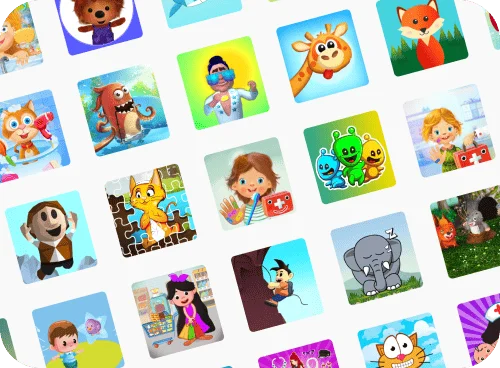
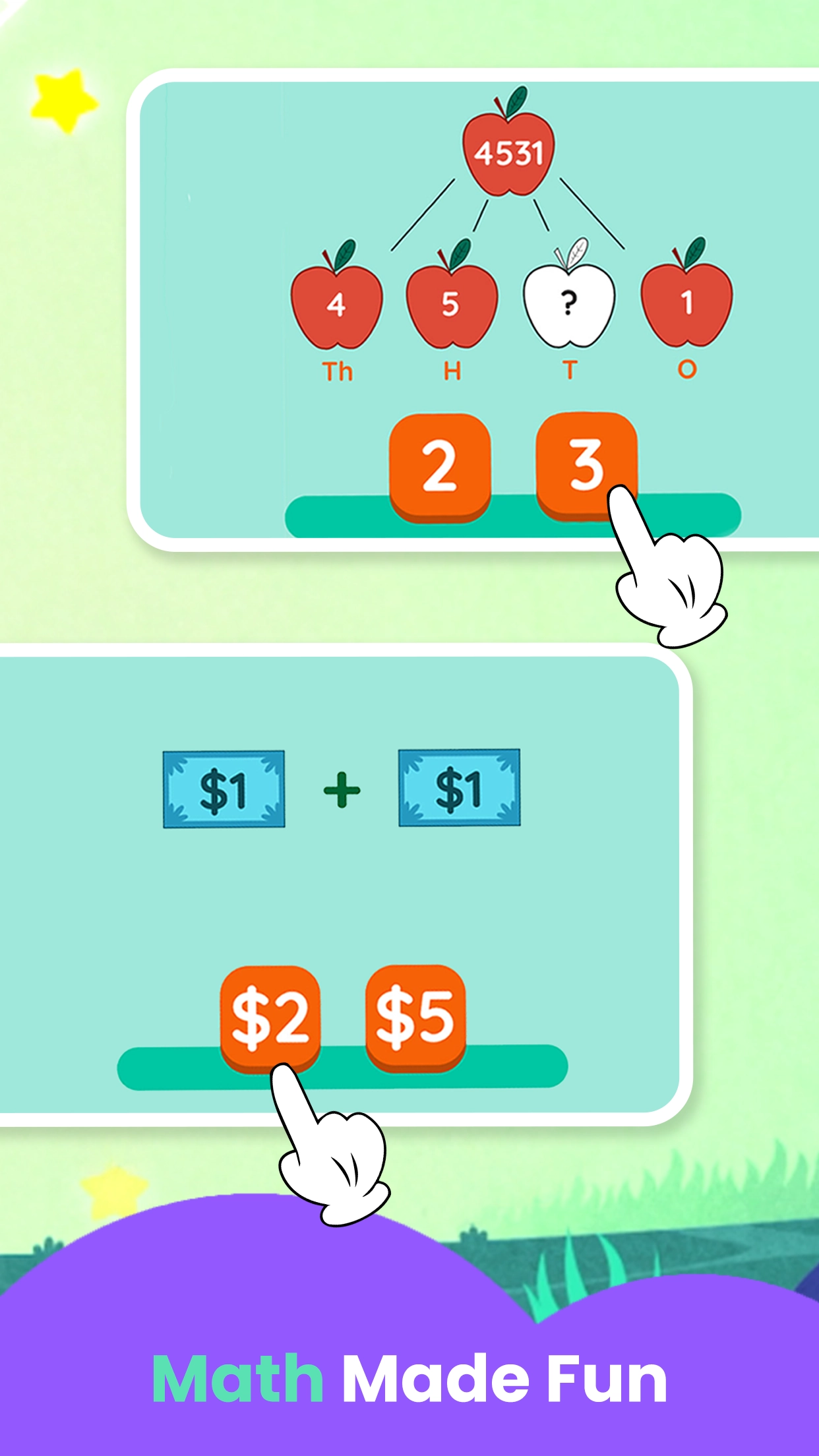
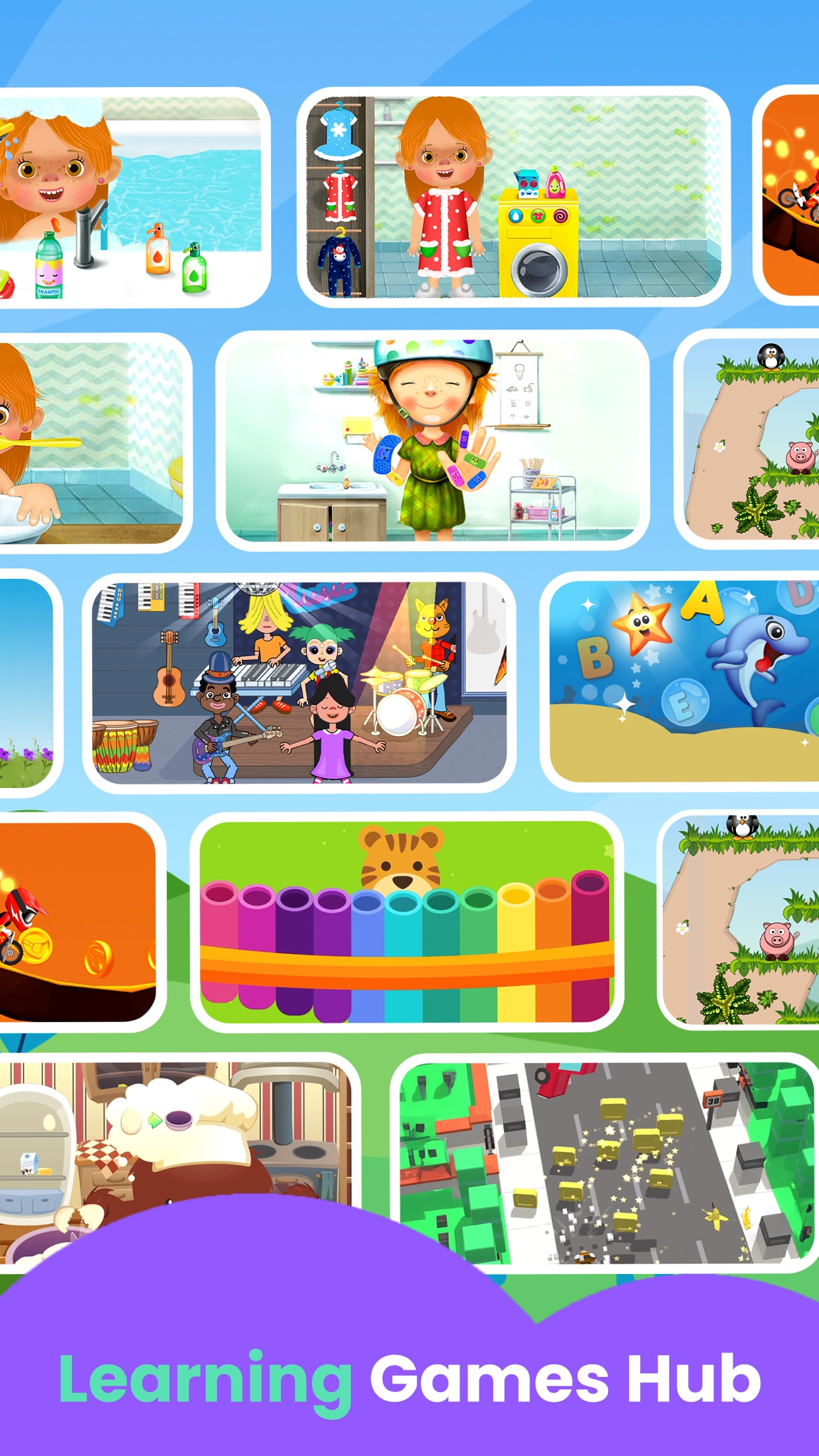
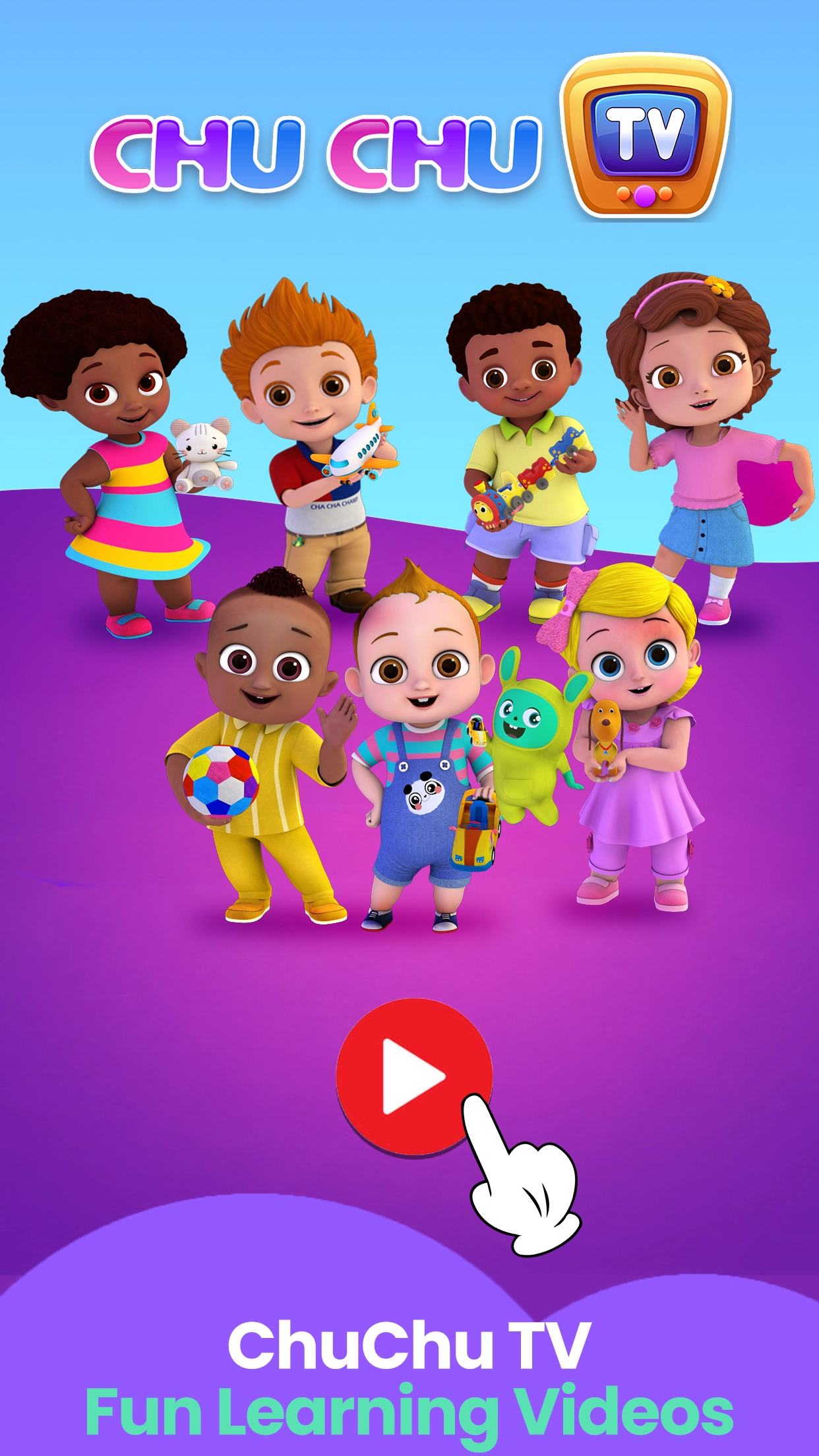
Take a closer look at some of the engaging experiences available on SKIDOS. From interactive videos to skill-based games, each activity is designed to keep children involved while helping them learn in a fun and natural way.


Learning that Parents Recommend
Finally, a math app my kid asks to play!
SKIDOS Math games have completely changed how my daughter feels about math and numbers. She used to get anxious with worksheets, but now she’s solving problems while playing her favorite games. It’s fun, smart, and actually works!
Harper's dad, Father of 6-year-old
This is the only app I don’t feel guilty about!
I love how SKIDOS blends math games into everyday play. My son doesn’t even realize he’s learning - he just thinks he’s collecting gems and coins! The content is age-appropriate, and I can observe his progress in school due to this. Total win for us.
EllaBearMama, Mother of a 5-year-old
He’s thriving in every math battle
Ethan’s son was hesitant about math, but this interactive math learning games for kids changed everything. He now enjoys strategizing, switching tactics, and solving equations. Watching him build real math skills has been a joy.
Ethan, Dad of a 7-year-old
Core Learning Benefits
Trusted By Parents

Impact Made

Awards & Achievements
FAQs
What are math games for kids?
+Math games for kids are interactive activities that help children learn numbers, counting, and basic calculations through play. They make learning math more engaging and easier to understand.
How do math games help children learn faster?
+Math games use repetition, visuals, and interaction to make concepts clearer. Kids learn by doing, which helps them understand and remember better than traditional methods.
At what age should kids start math games?
+Children can start as early as 3 years old with basic counting and number recognition games. As they grow, they can move on to more advanced concepts like addition and subtraction.
Are math games better than traditional learning methods?
+Math games are not a replacement but a strong support system. They make practice enjoyable and help reinforce what children learn in school.
Can math games improve problem-solving skills?
+Yes, many math games include challenges that require thinking and decision-making. This helps children develop problem-solving skills along with numerical understanding.
How much time should kids spend on math games daily?
+Around 15–20 minutes a day is enough to build consistency without overwhelming the child. Regular short sessions are more effective than long ones.
Do math games help with school performance?
+Yes, they strengthen foundational skills like counting, calculations, and logical thinking, which directly support classroom learning.
Are math games suitable for all learning levels?
+Most math games are designed with different difficulty levels, so children can learn at their own pace and gradually move to more advanced challenges.
Discover More Fun Games
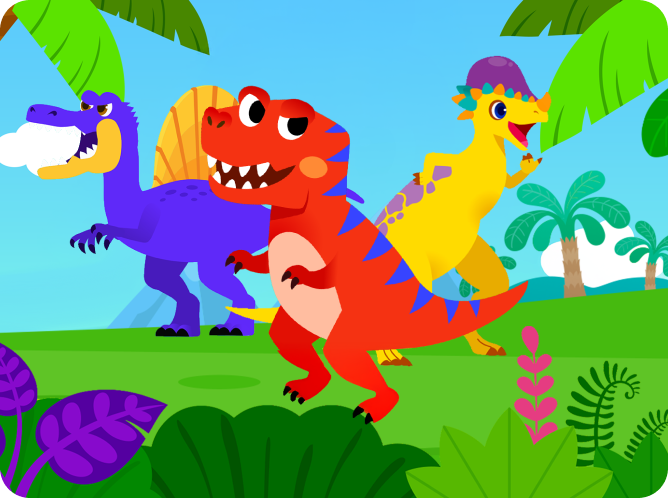
Pinkfong Dino World Game
Creative Imagination & Language & Curiosity

Doctor Games for Kids
Empathy & Compassion

The Smurfs Playhouse
Creative Imagination