Phonics Games for Kids
Build strong reading foundations through playful learning that helps kids hear, recognize, and love words every day.




Why These Games Matter
- Support early reading and language development
- Help kids connect sounds with letters easily
- Build confidence in speaking and pronunciation
- Make learning to read feel natural and fun
Learning to read is one of the biggest milestones in a child’s early years, and phonics plays a key role in making that journey smoother. Phonics games for kids turn what could feel like a difficult task into something approachable and enjoyable. Instead of memorizing, children begin to understand how sounds work, how words are formed, and how to decode them on their own.
When kids feel comfortable with sounds and words, they become more confident readers. These small wins, like recognizing a word or sounding it out correctly, build a sense of achievement that encourages them to keep going.
What Kids Learn?
Phonics games help children move from simply recognizing letters to actually understanding how language works. Instead of memorizing words, kids begin to hear sounds, connect them to letters, and gradually build the ability to read on their own.
As they play, children start identifying patterns in words, blending sounds, and forming simple sentences. These small steps make a big difference. Kids become more comfortable with reading, less hesitant to try new words, and more confident in expressing themselves.
What makes this approach effective is that it happens naturally. There’s no pressure to “get it right” immediately. Kids learn by trying, repeating, and improving at their own pace, while staying engaged.
Over time, this not only strengthens reading skills but also supports listening, comprehension, and communication in everyday situations.

Reading Fluency & Confidence

Playful, Phonics-Based Approach

Aligned with the Science of Reading
Why Parents Choose SKIDOS
For many parents, the challenge isn’t just finding games; it’s finding ones that actually help their child learn without turning into a daily struggle. That’s where SKIDOS fits in.
The platform introduces phonics in a way that feels natural. Kids aren’t sitting down to “learn reading”; they’re playing, exploring sounds, and gradually picking things up along the way. This reduces resistance and makes it easier to build a consistent learning habit.
What also makes a difference is the balance. Along with phonics, children can explore other educational games for kids, including activities that support thinking and even math games for kids, creating a more complete learning experience.
For parents, it brings a sense of ease. Kids stay engaged, progress at their own pace, and screen time starts to feel more purposeful.
Learning that Parents Recommend
Reading Made Fun
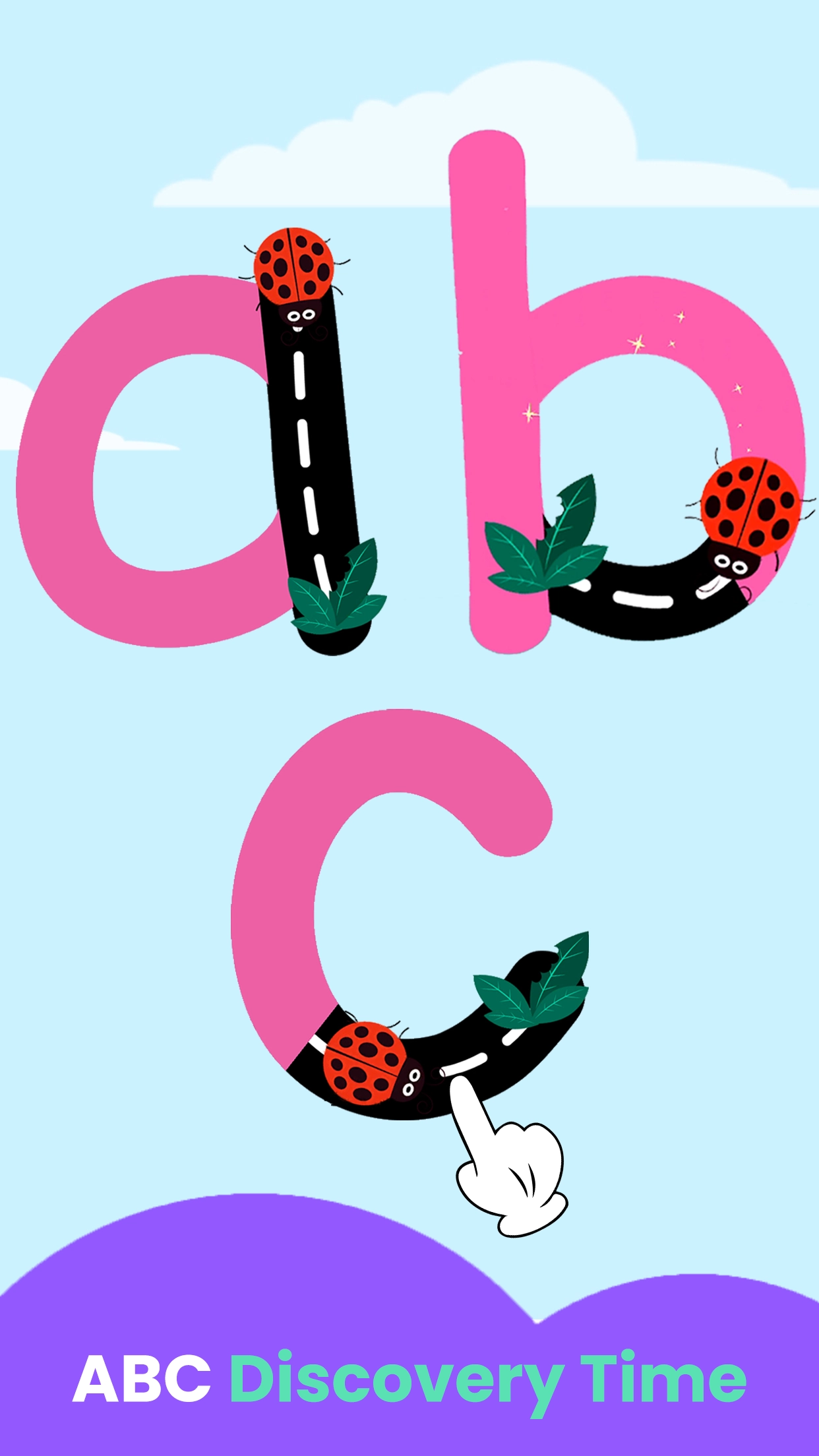
SKIDOS turned reading into a daily joy for Ella. She used to struggle with phonics, but now she’s tracing letters and sounding out words with confidence. The games are playful yet rooted in real learning. I love that it’s based on the Science of Reading - it truly works!
Ella's Mom, Mother of a 6-year-old
Learning to read made easy!
As a European parent raising a multilingual child, SKIDOS has truly been a lifesaver. The phonics-based approach and thoughtful learning structure keep my son on track with his English reading. He’s actually excited to play, and I feel confident knowing it’s backed by real pedagogy.
NordMama, Mother of a 5.5-year-old
Finally, Real Reading Progress
We’ve tried other reading apps, but SKIDOS is the first that actually helped Leo improve. The focus on decoding and comprehension is spot-on. He loves the stories and even sings the letter rhymes at home! It’s fun, effective, and I love it as a parent!
Leo's Papa, Father of a 7-year-old
Core Learning Benefits
Trusted By Parents

Impact Made

Awards & Achievements
FAQs
What are phonics games for kids?
+Phonics games for kids are interactive activities that teach children how sounds and letters work together. They help kids learn to read by focusing on sound recognition, blending, and word formation.
Why are phonics games important for early learning?
+Phonics games make it easier for children to understand how to read and pronounce words. They build a strong foundation for reading, writing, and communication skills from an early age.
At what age should kids start playing with phonics games?
+Children can start playing with phonics games as early as 3 years old. Simple sound recognition activities are ideal for younger kids, while older children can move on to word-building and reading exercises.
How do phonics games help improve reading skills?
+They teach children how to connect sounds with letters and blend them into words. This makes it easier for kids to read new words independently and improves overall reading fluency.
Can phonics games be combined with other learning activities?
+Yes, phonics games work well alongside other activities like math games for kids and creative learning. This combination helps children develop both literacy and thinking skills.
How often should kids play phonics games?
+Short, regular sessions are most effective. Spending 15–20 minutes a day on phonics games can help children gradually build strong reading habits without feeling overwhelmed.
Do phonics games help with pronunciation and speaking?
+Yes, phonics games improve how children hear and produce sounds, which directly supports better pronunciation and clearer speaking over time.
Are phonics games part of educational games for kids?
+Absolutely. Phonics games are an important part of educational games for kids, focusing specifically on reading, language, and communication skills.
Discover More Fun Games

Kids Hospital Game
Health Awareness & Empathy

Bakery Game
Cognitive & Creative Development
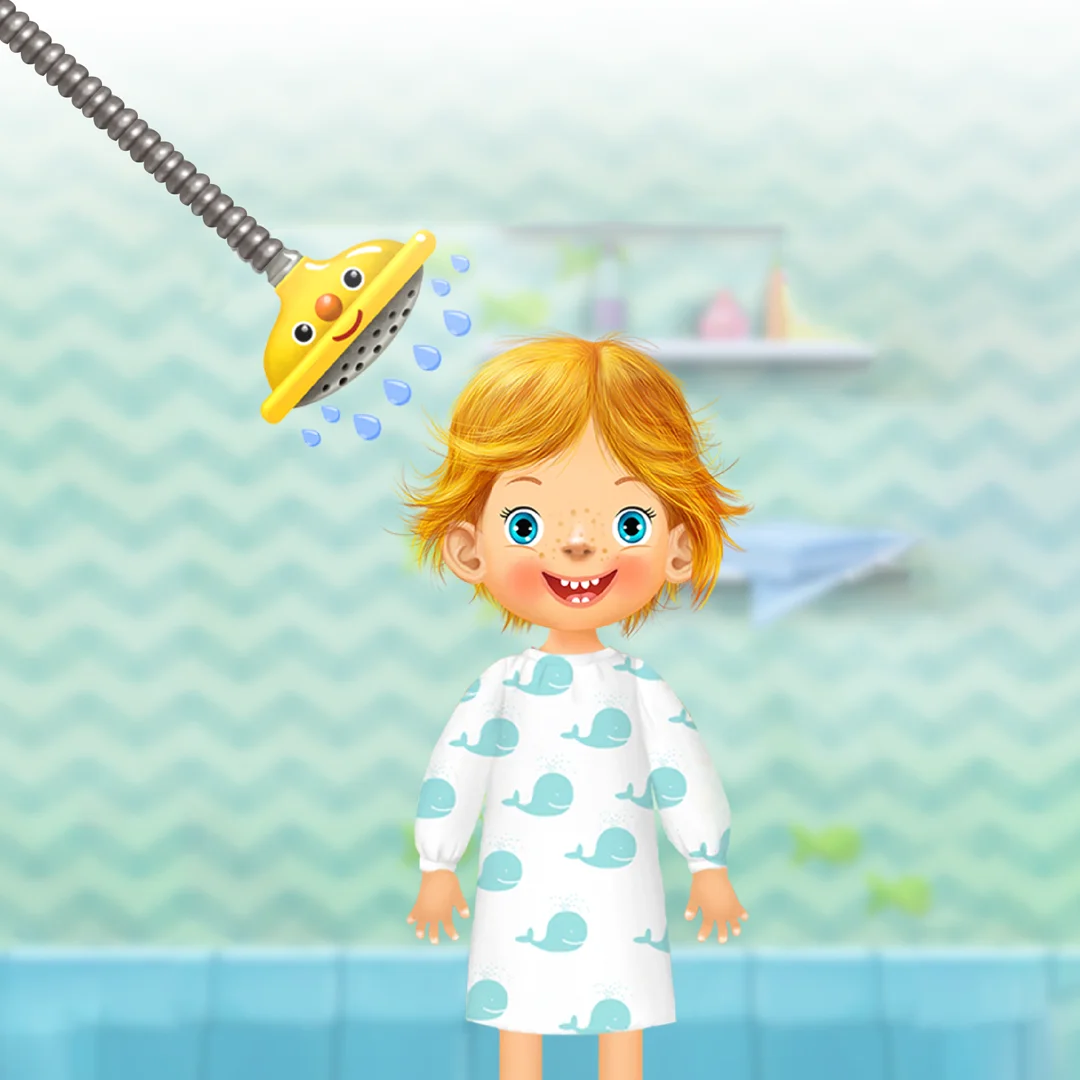
Bath Game for Kids
Personal Hygiene Awareness