Problem-Solving Games for Kids
Build confident thinkers through games that help kids solve, learn, and grow.




Why These Games Matter
- Encourage children to think independently
- Build patience through trial and error
- Improve focus and decision-making skills
- Turn screen time into meaningful learning
Children face small challenges every day, figuring out puzzles, making choices, understanding patterns, and learning what works. Problem-solving games for kids give them a safe and playful way to practice these skills regularly. Instead of rushing to answers, kids learn how to observe, test ideas, and keep trying when something feels tricky.
These moments may seem simple, but they shape how children approach learning in school and life. When kids solve challenges on their own, they build confidence, resilience, and a stronger belief in their abilities.
What Kids Learn?
Problem-solving games for kids help children develop skills that go far beyond playtime. As part of engaging educational games for kids, they teach children how to break larger tasks into smaller steps, think logically, and make smart decisions.
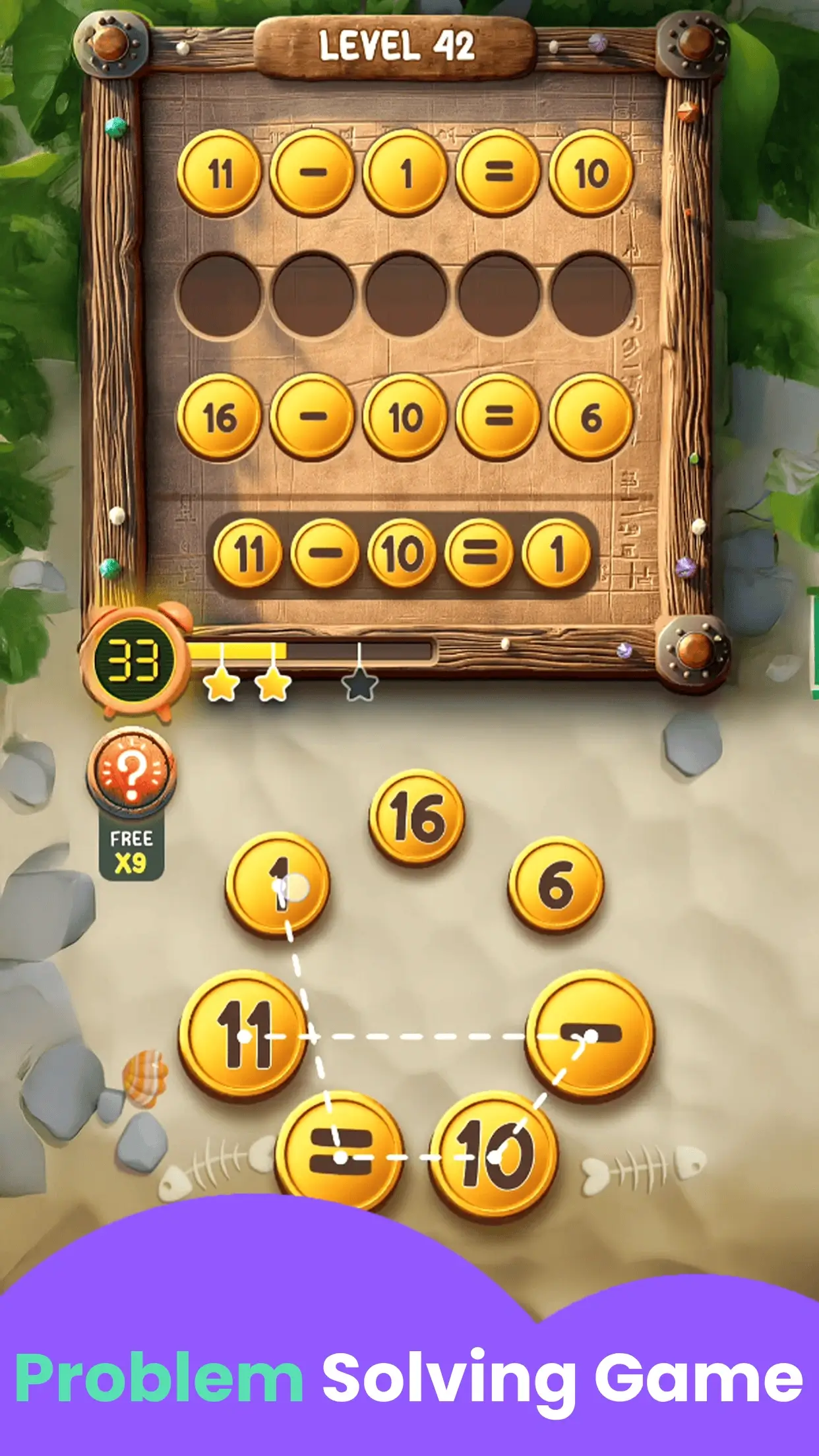
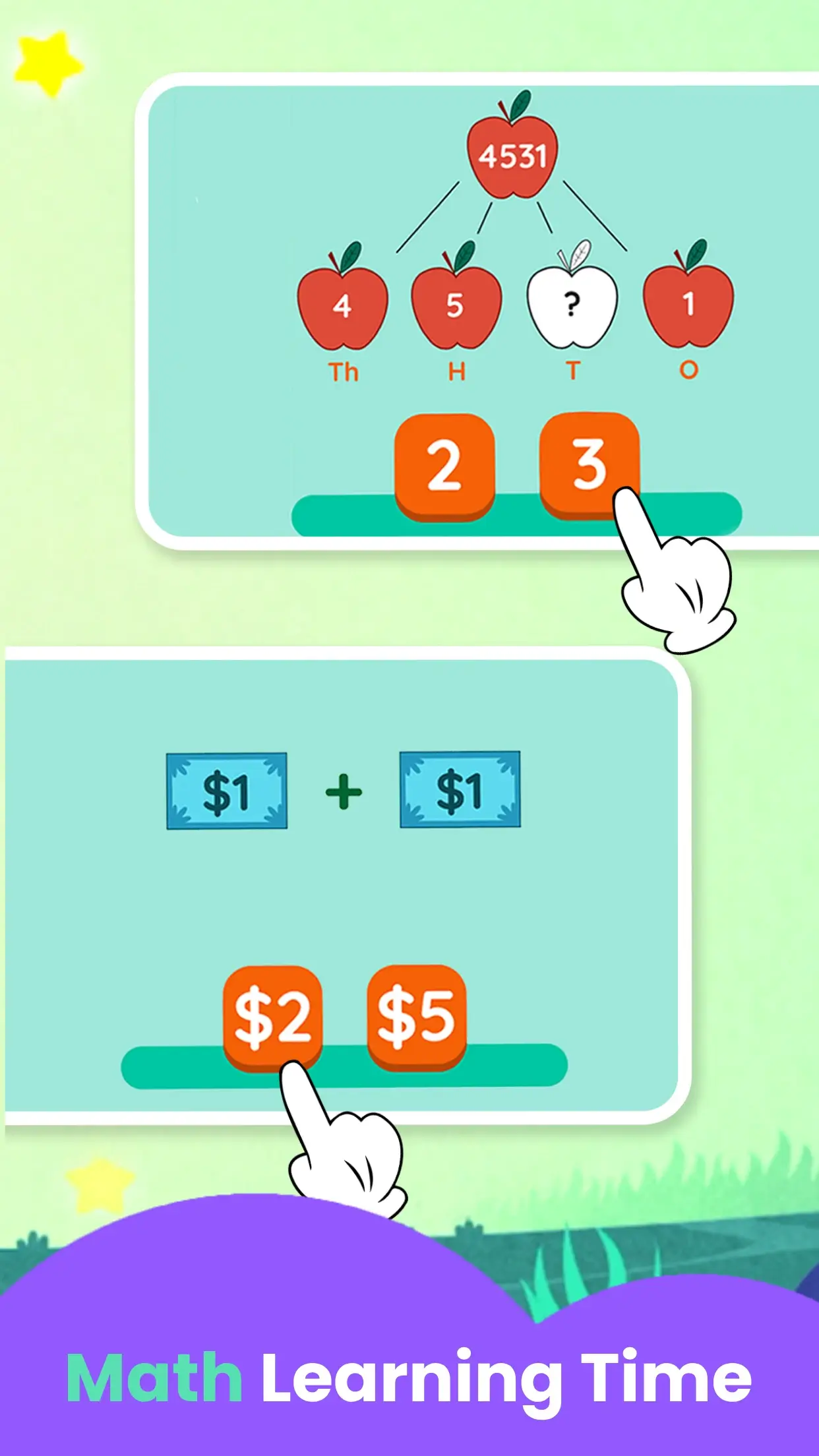
Many games also support early numeracy and reasoning, which is why they pair naturally with math games for kids. Whether a child is counting objects, matching shapes, planning moves, or solving sequences, they are strengthening the brain through active learning.
Children also improve memory, attention span, and persistence. They begin to understand that mistakes are part of learning and that trying again often leads to success. Over time, this mindset becomes valuable not only in academics but in everyday life.

Attention & Focus
Builds Critical Life Skills Through Play

Decision-Making & Independence
Learning Through Playful Experiences
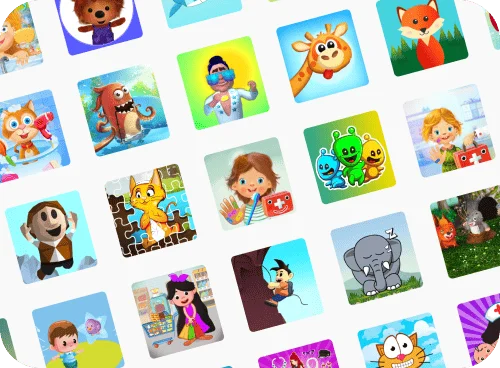
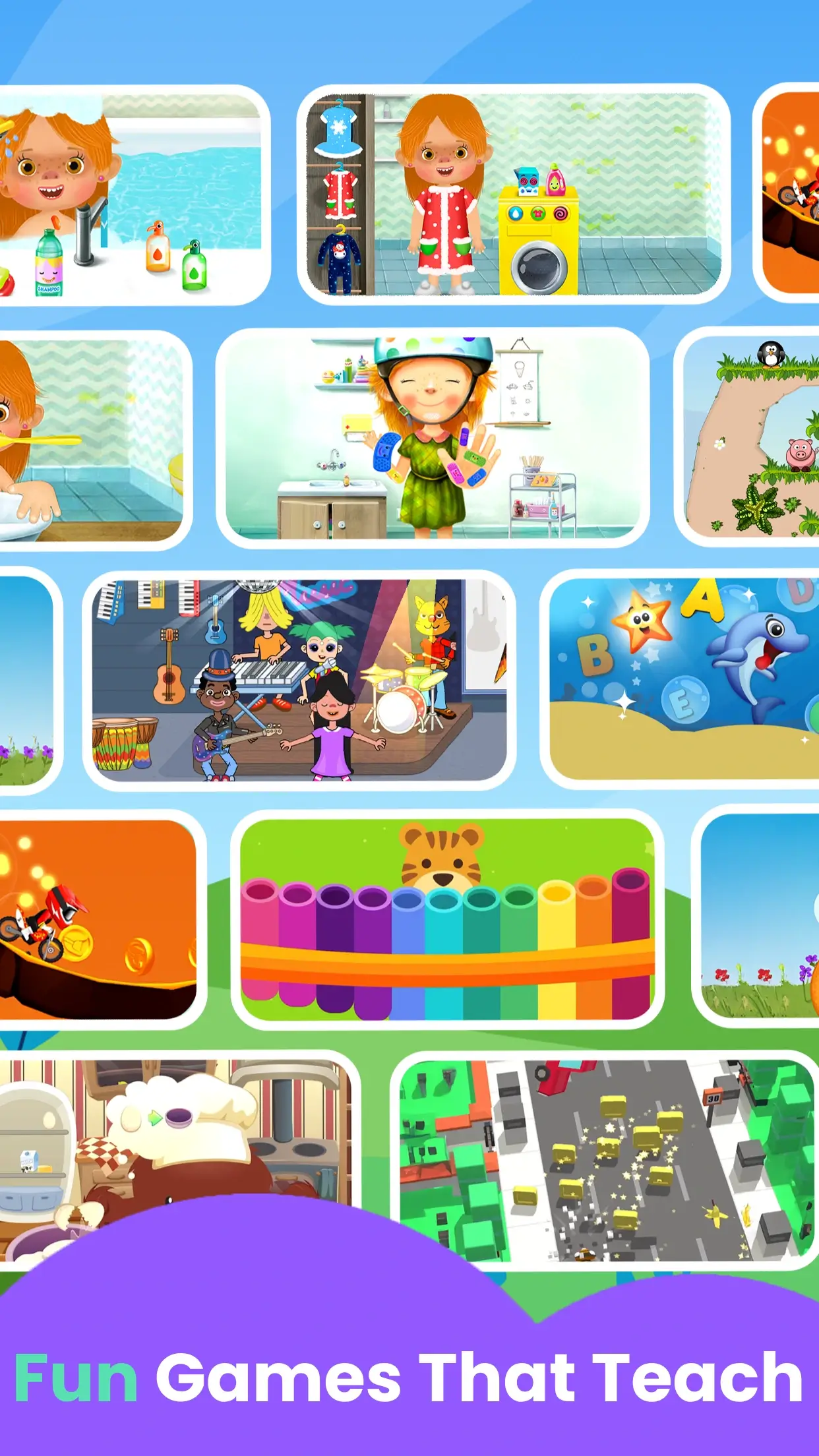
Children learn best when they are curious and involved. That is why SKIDOS combines problem-solving challenges with fun experiences kids already enjoy. They can explore stories and adventures through video-based entertainment like ChuChu TV, numerical challenges through Math Games for Kids, language practice with ABC Town Game, and discover broader Learning Games for Kids designed around real skills.
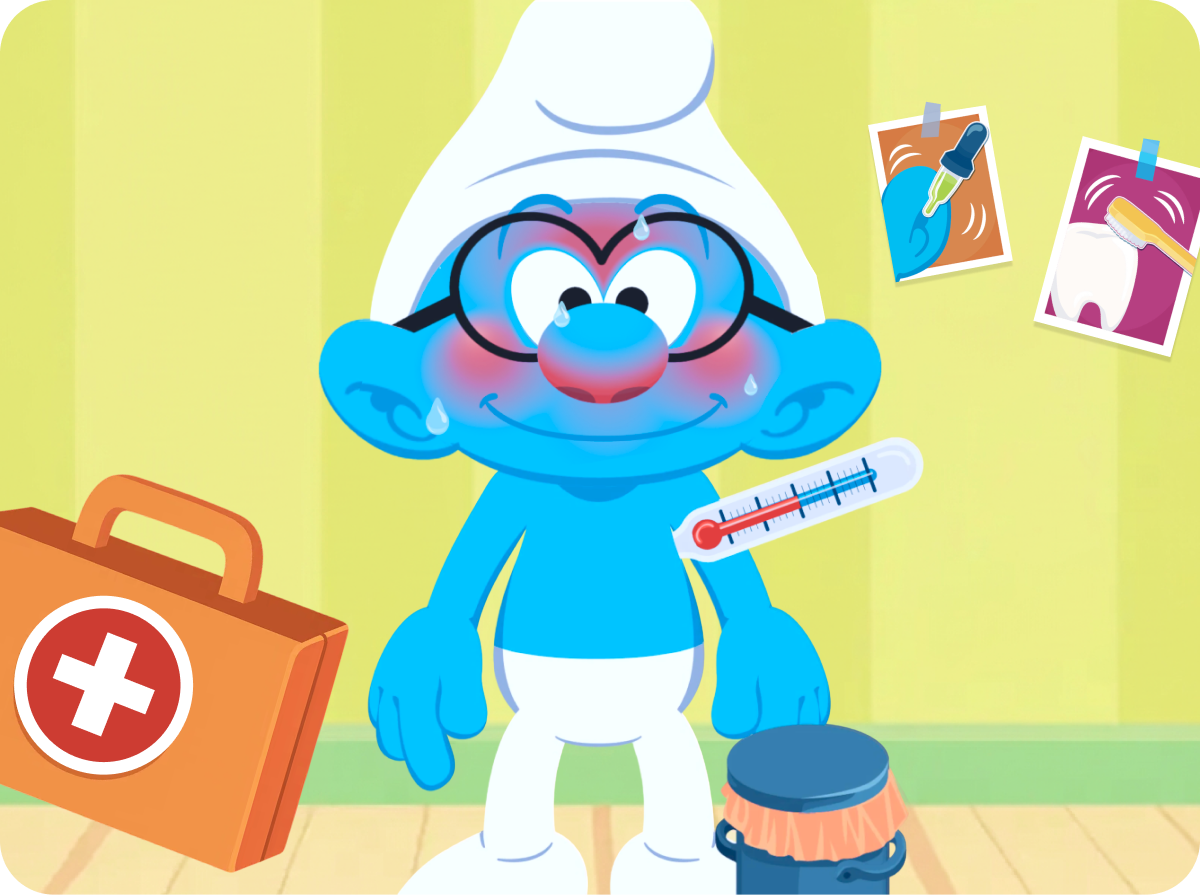
Creative role-play activities such as the Smurf Doctor Game for Kids, where children help heal little wounds, also encourage empathy, observation, and decision-making. These playful experiences keep children engaged while quietly developing useful life skills in the background.
Parents choose SKIDOS because it blends fun with purpose. Instead of offering games that only pass the time, the platform gives children opportunities to think, solve, and grow while enjoying themselves.


Learning that Parents Recommend
Fantastic for critical thinking
My son can get easily frustrated when a puzzle doesn't work right away, but these challenges have taught him so much patience. He loves the Smurf Doctor game and figuring out what to do next. It’s amazing to see him slow down, test out ideas, and celebrate those little logic wins entirely on his own.
Ethan’s Dad, Parent of a 5-year-old
Builds real independence
I love that these games don't just hand over the answers. Zoe has to plan her next moves and think logically to solve the math and shape puzzles. It’s given her a massive confidence boost with independent thinking, and that resilience is definitely carrying over into her schoolwork.
Zoe’s Mom, Parent of a 6-year-old
Engaging with actual purpose
We wanted something more meaningful than just passive videos, and this section nailed it. The balance of fun themes with structural logic challenges keeps him completely focused. He's learning how to break down tasks and solve problems through age-appropriate play, which makes screen time feel incredibly productive.
Lucas’s Parent, Parent of a 4-year-old
Core Learning Benefits
Trusted By Parents

Impact Made

Awards & Achievements
FAQs
How do problem-solving games help my child develop independent thinking?
+Problem-solving games for kids encourage children to think independently by presenting puzzles and challenges that require them to make choices on their own. Instead of rushing to answers, these games give kids a safe space to observe, test their own ideas, and keep trying even when a task feels tricky. This process builds the confidence and resilience needed to approach learning in both school and life.
Can games really teach my child to be more patient with difficult tasks?
+Yes. By engaging in interactive challenges, children build patience through a natural process of trial and error. As they play, they begin to understand that mistakes are simply part of the learning journey and that persistence often leads to success. Over time, this mindset helps children stay focused and calm when facing complex problems.
How do problem-solving activities support early math and numeracy skills?
+Many problem-solving games pair naturally with math games for kids because they both rely on logic and reasoning. Whether a child is counting objects, matching shapes, planning strategic moves, or solving sequences, they are strengthening their brain through active learning. These activities help children learn how to break larger tasks into smaller, manageable steps.
What kind of "life skills" can my child learn from these types of games?
+Beyond academic skills, problem-solving games help children develop critical life skills such as decision-making, observation, and empathy. For example, role-play activities like the Smurf Doctor Game encourage kids to heal little wounds, which builds their ability to observe details and make smart decisions while helping others.
Are these games effective for improving a child's focus and attention span?
+Absolutely. Interactive educational games are specifically designed to improve a child's focus and concentration. By staying curious and involved in engaging adventures—like those found in ABC Town Game or Math Learning Game—children naturally strengthen their attention span while quietly developing useful skills in the background.
Why should I choose problem-solving games over standard video entertainment?
+Standard entertainment often only passes the time, but SKIDOS games turn screen time into meaningful learning. The platform provides purposeful experiences where children can solve, learn, and grow. This active participation helps them develop thinking skills that go far beyond playtime, shaping how they approach challenges in their everyday life.
How do these games help my child learn to make better decisions?
+Games that involve logic and strategic challenges help kids practice making smart decisions through play. As they explore different outcomes in a safe, digital environment, they build the independence needed to trust their own judgment. This helps children feel more comfortable making choices in school and other real-world situations.
Are these problem-solving challenges suitable for both toddlers and older kids?
+Yes. SKIDOS offers fun educational games for kids aged 3–10. Younger children can start with simple activities like learning the alphabet or counting numbers, while older kids can tackle more complex logical challenges, math puzzles, and creative role-play games that match their developmental stage.
Discover More Fun Games
Smurfs Doctor Game for Kids
Empathy & Compassion
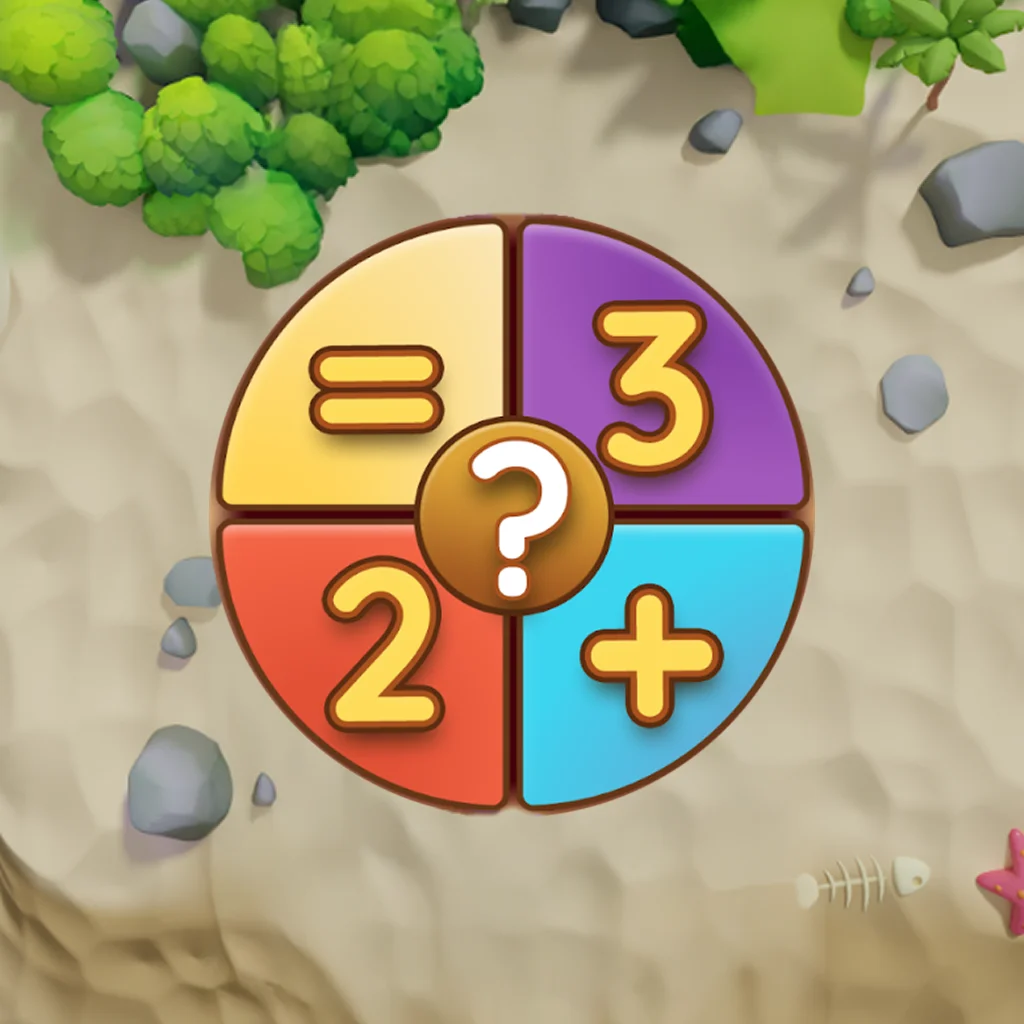
Math Puzzle Game
Numerical Fluency, Logic & Focus

Bakery Game
Cognitive & Creative Development