Puzzle Games for Kids
Where fun challenges turn into real learning for growing minds.




Why These Games Matter
- Strengthen problem-solving through interactive challenges
- Improve focus and attention to detail
- Build patience and persistence in a fun way
- Encourage independent thinking and decision-making
Not all games keep kids truly engaged, but puzzle games for kids offer something deeper. They gently challenge children to think, observe, and solve problems step by step. Instead of rushing through content, kids learn to slow down, try different approaches, and figure things out on their own. This kind of play builds not just skills, but also confidence, because every solved puzzle feels like a small achievement.
What Kids Learn?
Puzzle games for kids are a powerful way to develop essential thinking skills while keeping playtime enjoyable. These learning games for kids focus on improving how children approach challenges, whether it's recognizing patterns, solving sequences, or completing visual tasks.
As kids explore different puzzles, they begin to strengthen their memory, improve their concentration, and develop logical thinking. They also learn to handle mistakes better, trying again with a new approach instead of giving up. Over time, this builds resilience and a natural problem-solving mindset.
What makes puzzle-based learning effective is that it doesn't feel forced. Children stay curious, engaged, and motivated, making learning a natural outcome of play rather than something they are told to do.
Turns Screen Time into Skill Time

Imagination
Attention & Focus
Why Parents Choose SKIDOS
Not every game holds a child's attention in a meaningful way. Puzzle games for kids do something a little different; they invite children to slow down and really think. Instead of quick taps and fast results, these games create space for curiosity, where kids can explore, make mistakes, and figure things out step by step.
As children work through puzzles, they begin to notice details, test different ideas, and understand how their choices affect the outcome. It's a quiet kind of learning, but a powerful one. Over time, these small moments help build stronger focus, better problem-solving habits, and the confidence to keep going even when something feels tricky.
What makes this kind of play valuable is how naturally it fits into a child's world. It doesn't feel like learning, it feels like discovery. And that's where real growth begins.
From rescuing animals in a rabbit rescue game for kids to exploring real-life scenarios through doctor games for kids and hospital games for kids, each experience brings learning to life in a way children truly enjoy. These interactive moments go beyond simple play, helping kids think, care, and make decisions through meaningful challenges.
You can explore more such experiences through our puzzle games for kids and other learning games for kids, where every activity is designed to build skills while keeping play fun and engaging.
Learning that Parents Recommend
She’s thinking ahead and solving problems
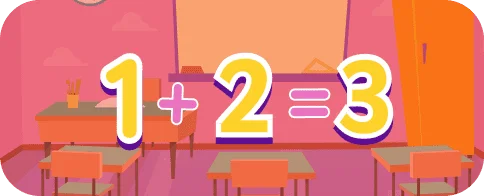
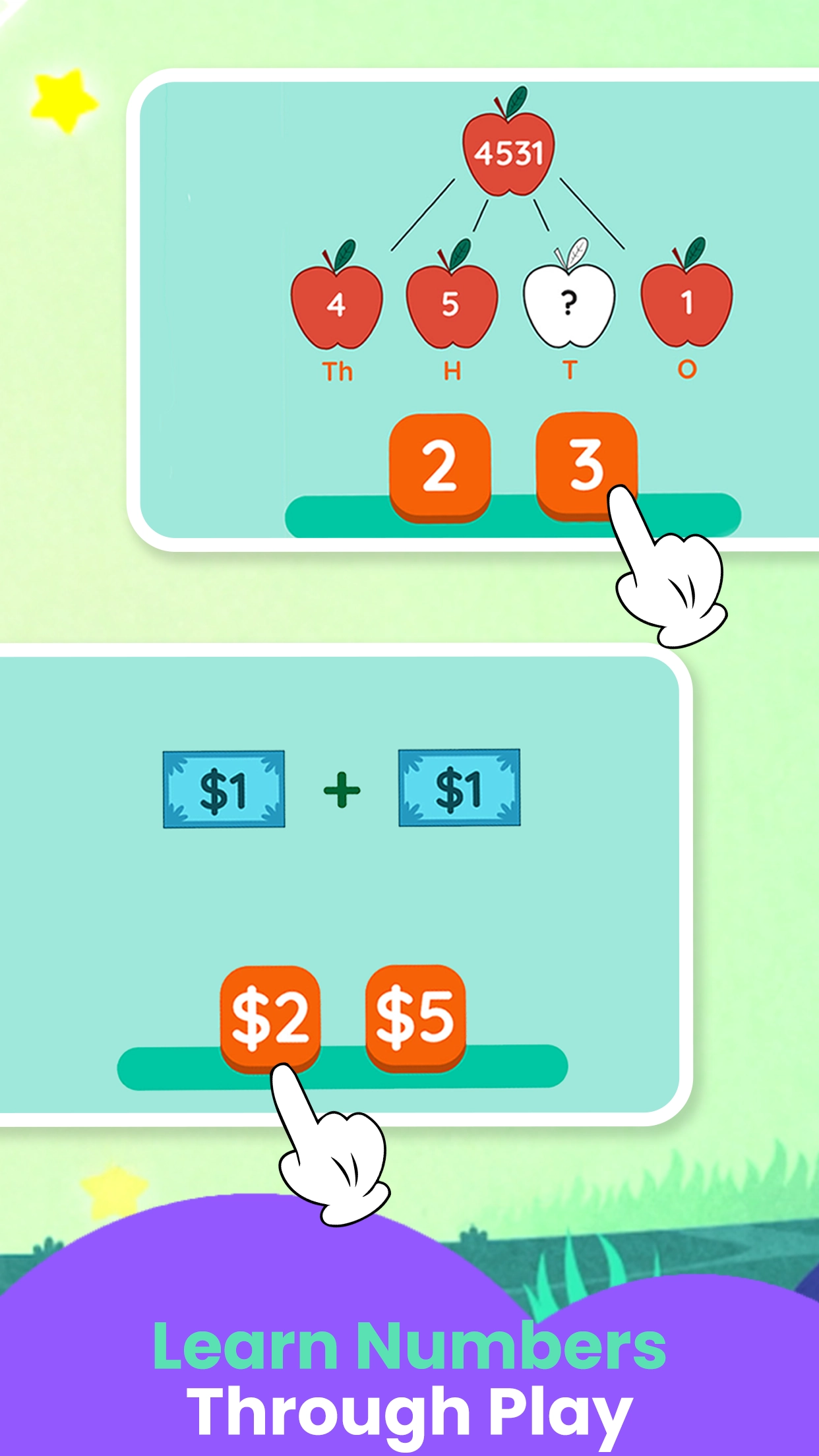
Olivia’s daughter used to rush through games, but SKIDOS Puzzle game taught her to slow down and strategize. Now she anticipates steps, builds equations, and celebrates small wins. It’s incredible to see her confidence grow through thoughtful play.
Olivia, Mom of a 6-year-old
He's mastering math puzzles and loving the challenge
Daniel noticed his son was bored with worksheets - until SKIDOS sparked his interest. He now chooses harder levels, races against timers, and solves logic puzzles using numbers and operators. It’s real brain training, and he’s thriving in school.
Daniel, Dad of a 9-year-old
She’s learning to stay calm and think flexibly
Lena’s daughter used to get overwhelmed by tricky problems. With SKIDOS, she’s learning to pause, plan, and persist. The visuals and variety keep her curious, and she’s even started using math vocabulary confidently in everyday conversations.
Lena, Mom of a 7-year-old
Core Learning Benefits
Trusted By Parents

Impact Made

Awards & Achievements
FAQs
What are puzzle games for kids?
+Puzzle games for kids are interactive games that challenge children to solve problems, recognize patterns, and think logically. They are designed to make learning fun while improving cognitive skills.
How do puzzle games help in learning?
+Puzzle games improve problem-solving, memory, and focus. They encourage kids to think independently and develop strategies, making them effective learning games for kids.
At what age are puzzle games suitable for?
+Puzzle games are suitable for children aged 3 to 10, with different levels of difficulty to match their learning stage and abilities.
Are puzzle games good for brain development?
+Yes, puzzle games play an important role in brain development. They strengthen cognitive skills like reasoning, memory, and attention while also improving concentration.
Can puzzle games improve focus in kids?
+Regularly playing puzzle games helps children improve their attention span. Since puzzles require concentration, kids naturally learn to stay focused for longer periods.
Do puzzle games support problem-solving skills?
+Absolutely. Puzzle games encourage kids to think through challenges, try different solutions, and learn from mistakes, which strengthens their problem-solving abilities over time.
Do puzzle games for kids help with independent thinking?
+Yes, puzzle games encourage children to think on their own rather than rely on instructions. As they explore different ways to solve a puzzle, they begin to make decisions independently, which strengthens confidence and builds a habit of thinking through problems step by step.
Why are puzzle-based learning games for kids more effective than traditional methods?
+Puzzle-based learning feels like play rather than study. Children stay engaged because they are actively involved in solving challenges instead of passively receiving information. This makes it easier for them to understand concepts, remember patterns, and enjoy the learning process over time.
Discover More Fun Games
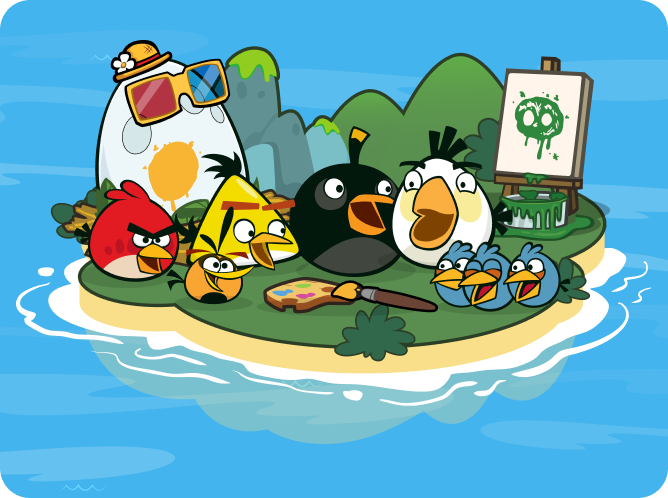
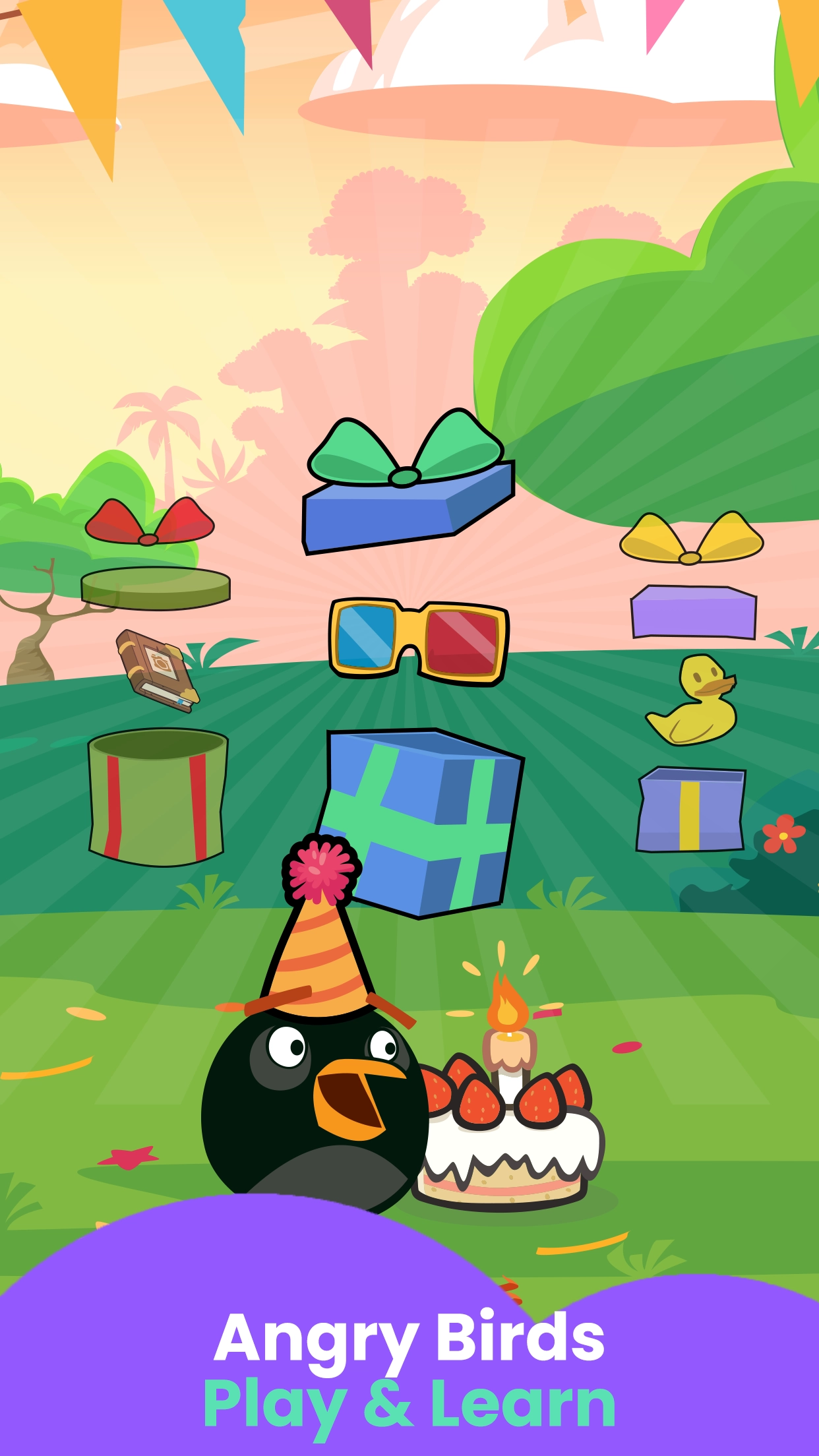
Play & Learn with Angry Birds
Emotional Expression & Creativity
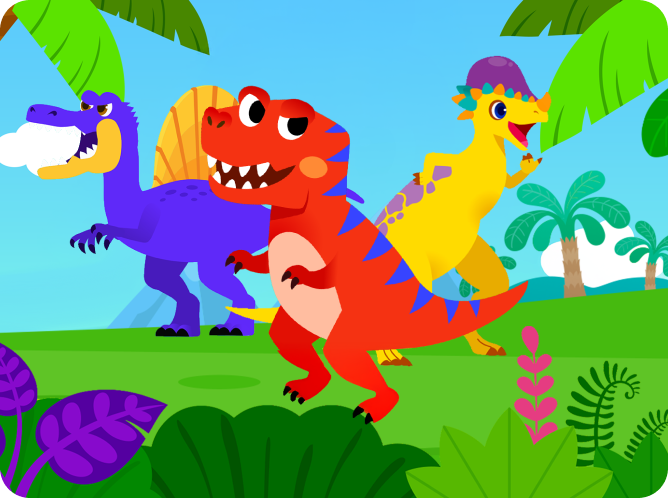
Pinkfong Dino World Game
Creative Imagination & Language & Curiosity

Race Cars Game
Focus, Strategy & Coordination