Reading Games for Kids
Empower young readers with confidence-building games and challenges.




Why These Games Matter
- Build early reading confidence through fun practice
- Strengthen phonics, vocabulary, and word recognition
- Support school readiness in a playful way
- Turn screen time into meaningful learning moments
Learning to read is one of the biggest milestones in early childhood. It opens the door to school success, stronger communication, and independent learning. But for many children, reading practice can feel repetitive or frustrating when it is forced.
That’s where reading games for kids can make a real difference. They turn practice into play. Instead of pressure, children learn through sounds, stories, word challenges, and small wins that keep them motivated. As they play, they begin to recognize letters faster, understand sounds more clearly, and grow more comfortable reading on their own.
These gains often go beyond the game, too. Children become more willing to read signs, books, labels, and everyday words with growing confidence.
What Kids Learn?
Reading games for kids are designed to build the essential skills children need to become strong readers. As part of a balanced mix of learning games for kids, they help children connect letters with sounds, recognize common words, and understand meaning through context.
While playing, children naturally improve phonics, listening, vocabulary, and reading fluency. Some games focus on matching sounds to letters, while others encourage word building, sentence reading, or following simple stories.
Many activities also support children who are beginning to learn to read with games, because the experience feels light, interactive, and rewarding. Kids can practice skills without boredom and at their own pace.
Over time, reading starts to feel easier. Children gain confidence, participate more actively in school, and become more curious about books, stories, and language in everyday life.

Attention & Focus

Creativity That Keeps Kids Engaged

Imagination
Why Parents Choose SKIDOS
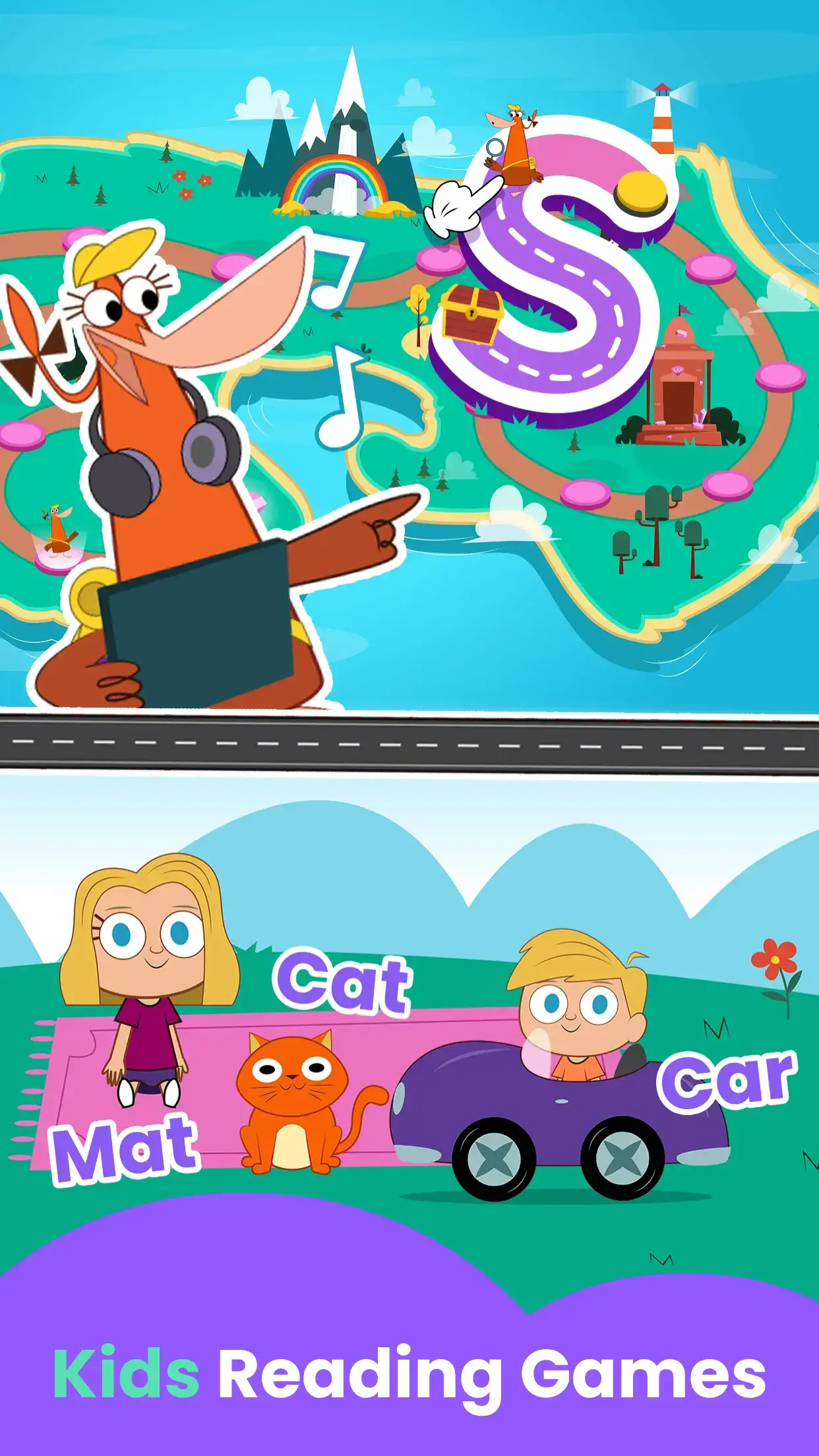
Great games should do more than keep children busy—they should help them grow while they play. SKIDOS combines reading games for kids with engaging experiences that support early literacy in a natural and enjoyable way.
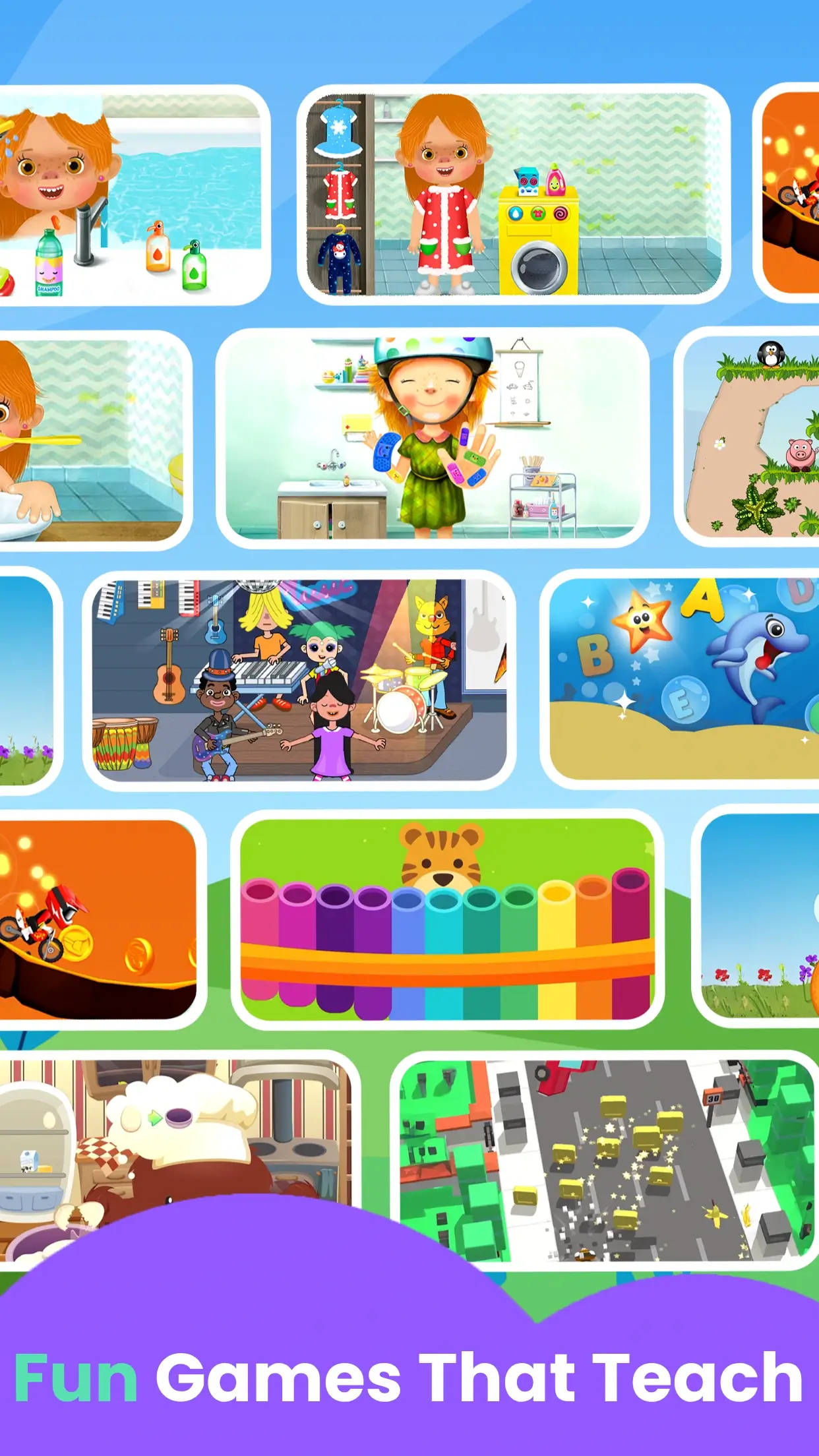
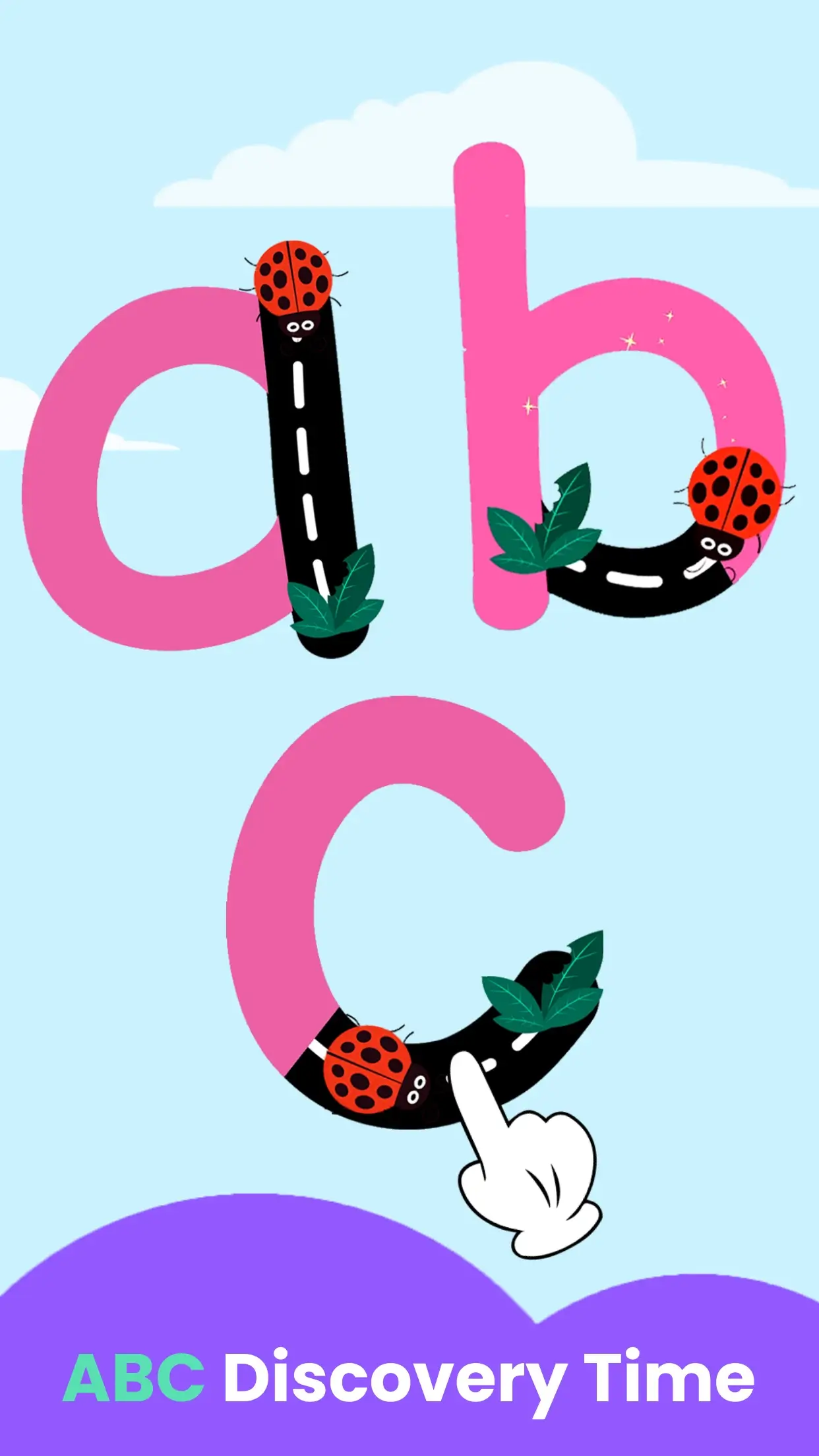
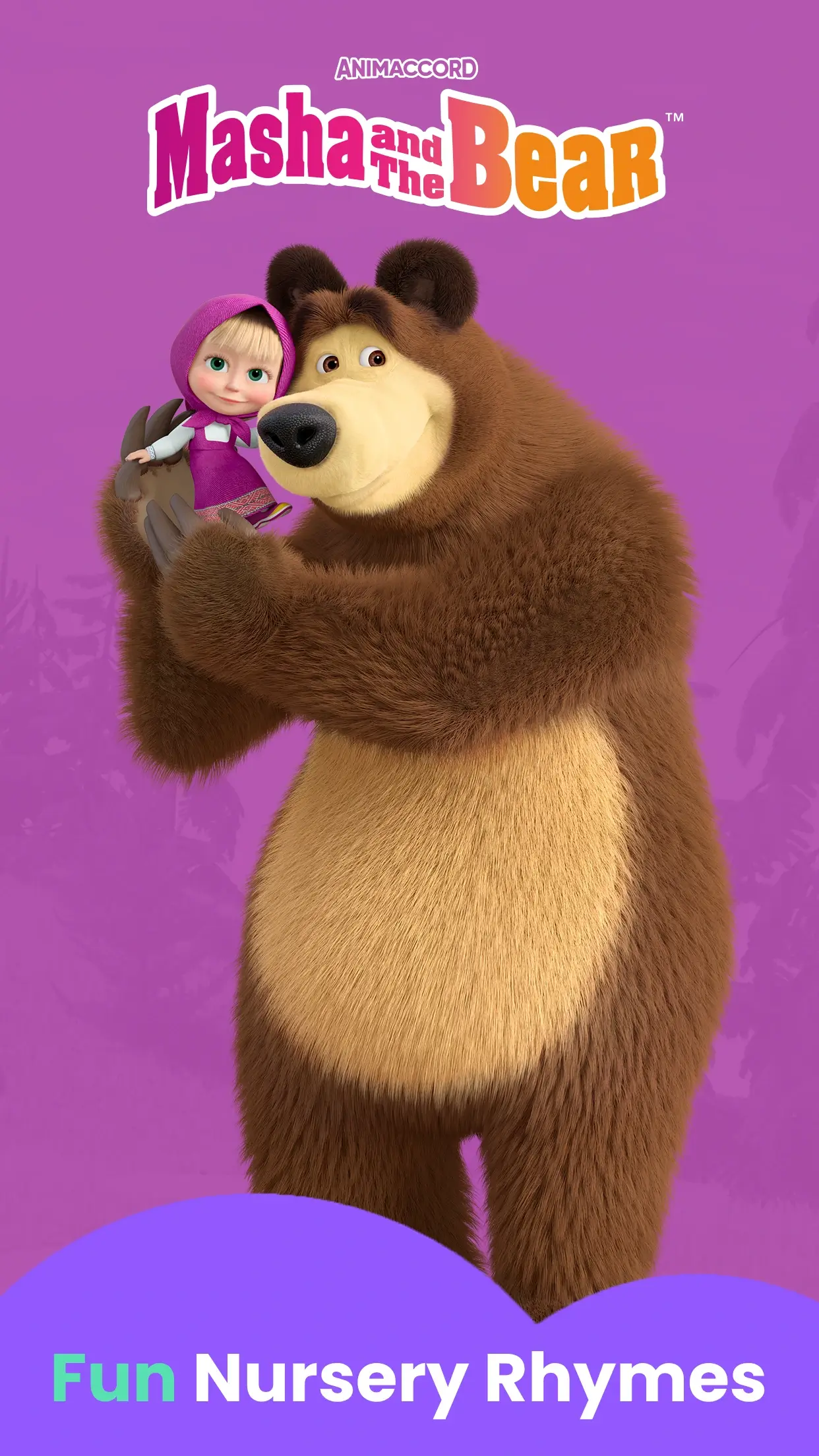
Children can explore different types of activities based on their interests. Some may enjoy story-based video experiences like Masha and the Bear, while others may prefer hands-on challenges such as Learn Alphabet, word games, or broader learning games for kids that combine fun with reading practice. Creative play experiences can also help children build language skills through storytelling, listening, and imagination.
This variety keeps children interested while helping them strengthen reading habits step by step. Parents can feel confident knowing screen time is being used in a more meaningful and productive way.
Learning that Parents Recommend
No more fighting over phonics
We used to struggle with flashcards, but these games turned practice into pure play. He’s recognizing letter sounds way faster now and actually gets excited about the word challenges. It's a huge relief to see him building confidence without the usual frustration.
Chloe’s Dad, Parent of a 4-year-old
Actually productive screen time
My daughter is obsessed with the ABC Town and story games. I love that she’s practicing reading fluency and vocabulary at her own pace without even realizing she’s learning. It’s been the perfect bridge to get her more interested in physical books.
Janice T., Parent of a 6-year-old
Keeps his attention focused
With a short attention span, my son usually abandons apps in minutes. But the mix of games and characters keeps him completely hooked. He’s connecting sounds to letters and hitting those small milestones easily. Great balance of entertainment and learning.
Marcus L., Parent of a 5-year-old
Core Learning Benefits
Trusted By Parents

Impact Made

Awards & Achievements
FAQs
How do I know if my child is ready to start learning to read with games?
+Most children show readiness between ages 3 and 5 by becoming curious about signs, labels, and the stories you read aloud. If your child is starting to recognize letter shapes or enjoys rhyming games, they are ready for interactive reading games. These games turn that early curiosity into foundational skills without the pressure of a formal classroom setting.
My child finds reading practice frustrating. How can games help?
+Many children hesitate or avoid reading because it feels like a complicated task that requires intense focus and memory. Reading games remove this "barrier to entry" by turning practice into play. Instead of repetitive drills, children engage with sounds and stories, earning "small wins" that build the confidence needed to tackle harder words.
Can these games actually help a child who struggles with phonics?
+Yes. A major pain point for early readers is "phonemic awareness"—the ability to hear and manipulate individual sounds in words. "SKIDOS 'Learn to Read' module" specifically targets this by helping children connect letters with sounds in a multisensory, interactive way. This makes the "decoding" process feel more natural and less like a chore.
Is screen time for reading games "productive," or is it just a distraction?
+Parents often worry about "passive" screen time. High-quality reading games are "active" learning tools that require problem-solving and critical thinking. By using games to strengthen school readiness, you are turning screen time into a meaningful milestone that supports independent learning.
Will these games help my child keep up with their school's curriculum?
+Absolutely. SKIDOS reading games focus on the "Big Three" of early literacy: phonics, vocabulary, and word recognition. These are the exact building blocks required for Kindergarten and First Grade success, helping your child participate more actively and confidently in the classroom.
How can I encourage my child to transition from games to physical books?
+Games are often the "bridge" to literacy. As children recognize letters faster and understand sounds more clearly through play, they become more willing to read everyday items like books, signs, and labels. The confidence they gain in the app directly translates to their interest in exploring physical stories.
Are reading games effective for children with short attention spans or ADHD?
+Many children struggle with reading because it requires sustained attention, which can be difficult for some learners. Games are designed to be engaging and imagination-based, which helps maintain focus through playful activities and creative exploration. This variety keeps children interested and helps them strengthen reading habits step by step.
What is the best way for parents to support their child while they play?
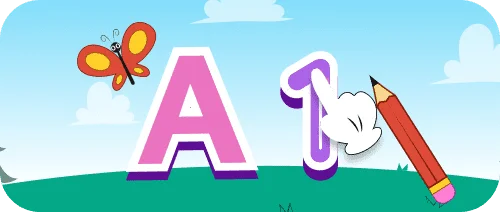
+While SKIDOS reading games are designed for independent play, "co-playing" or discussing the game can boost learning. You can ask your child about the stories they've seen, like Masha and the Bear, or help them spot "real-life" versions of the letters they just traced in the tracing module.
Discover More Fun Games
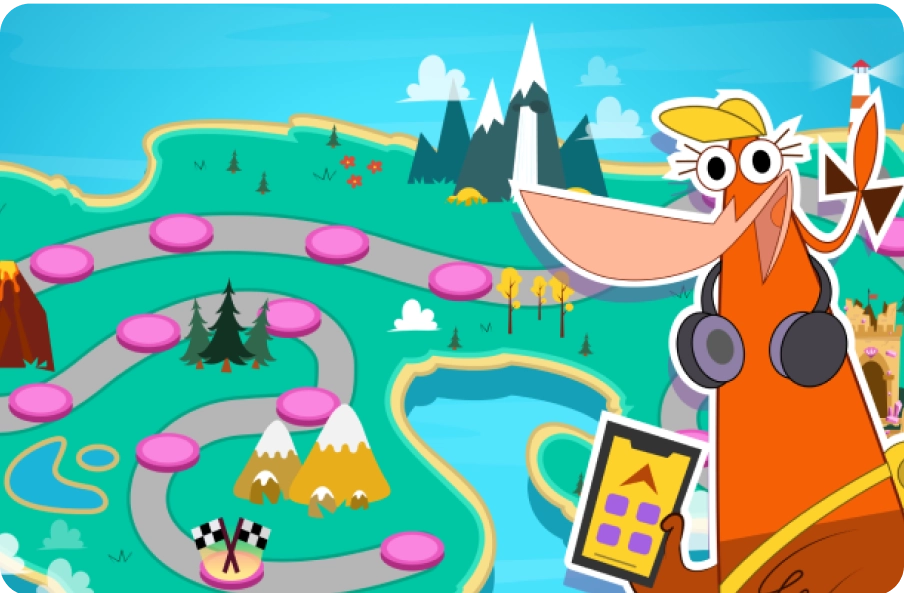
Learn to Read
Phonics, Vocabulary & Reading Confidence
Pinkfong Dino World Game
Creative Imagination & Language & Curiosity

Kids Hospital Game
Health Awareness & Empathy