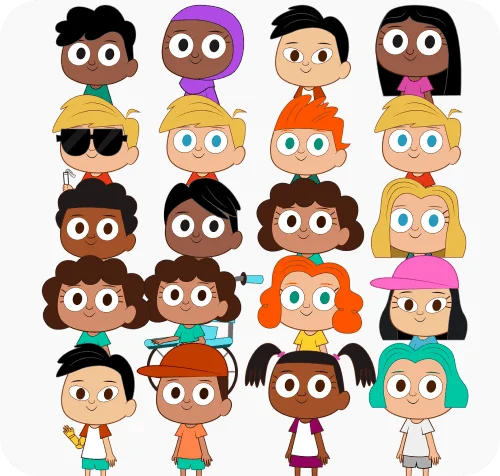
SmileyWorld® Happier Minds
Before children have the words, they have the feelings.




About SmileyWorld® Happier Minds
- Helps kids name feelings using familiar SmileyWorld® characters
- Builds self-awareness, self-management, empathy, social skills, and decision-making
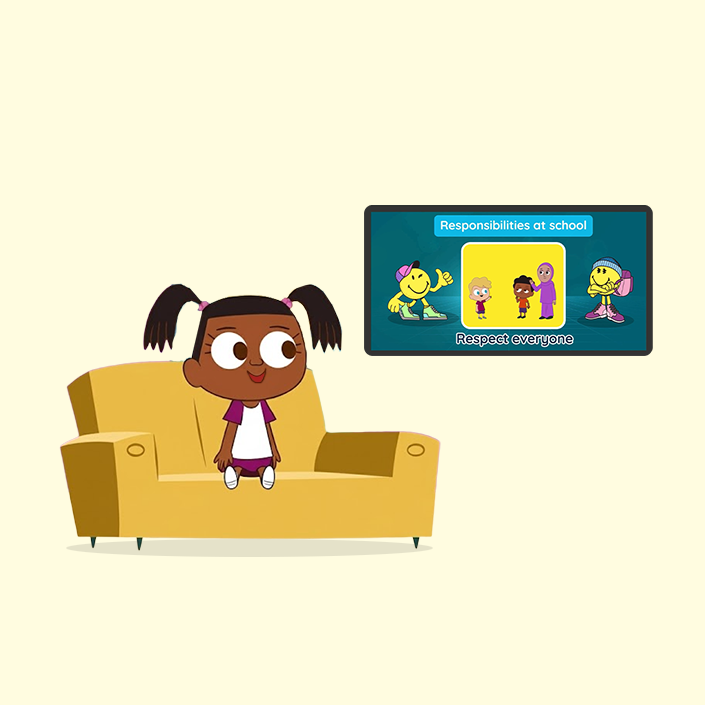
- Teaches each concept through animated videos, interactive questions, and stories
- Built on the CASEL framework and reviewed by a subject matter expert
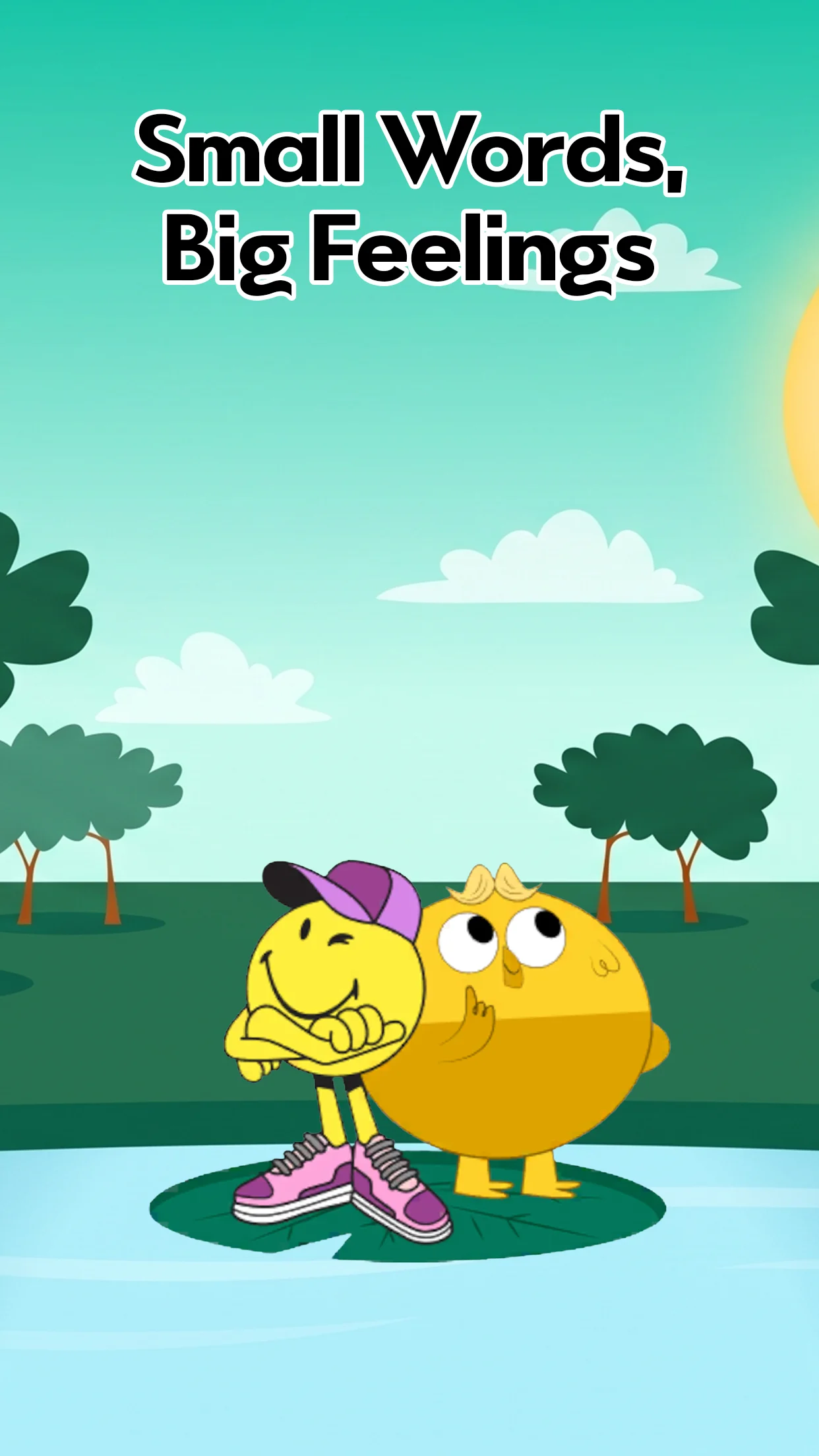
SKIDOS SmileyWorld® Happier Minds is a fun educational game for kids that helps 4–7 year olds recognize, name and express their emotions through the visual language of SmileyWorld® icons. Big feelings are part of growing up, but young children do not always know how to explain them. Since 1997, SmileyWorld® has used icons to help people express emotions visually. Happier Minds brings that language into purposeful play, helping children find an icon for how they feel, discover the words to describe it and start meaningful conversations with parents.
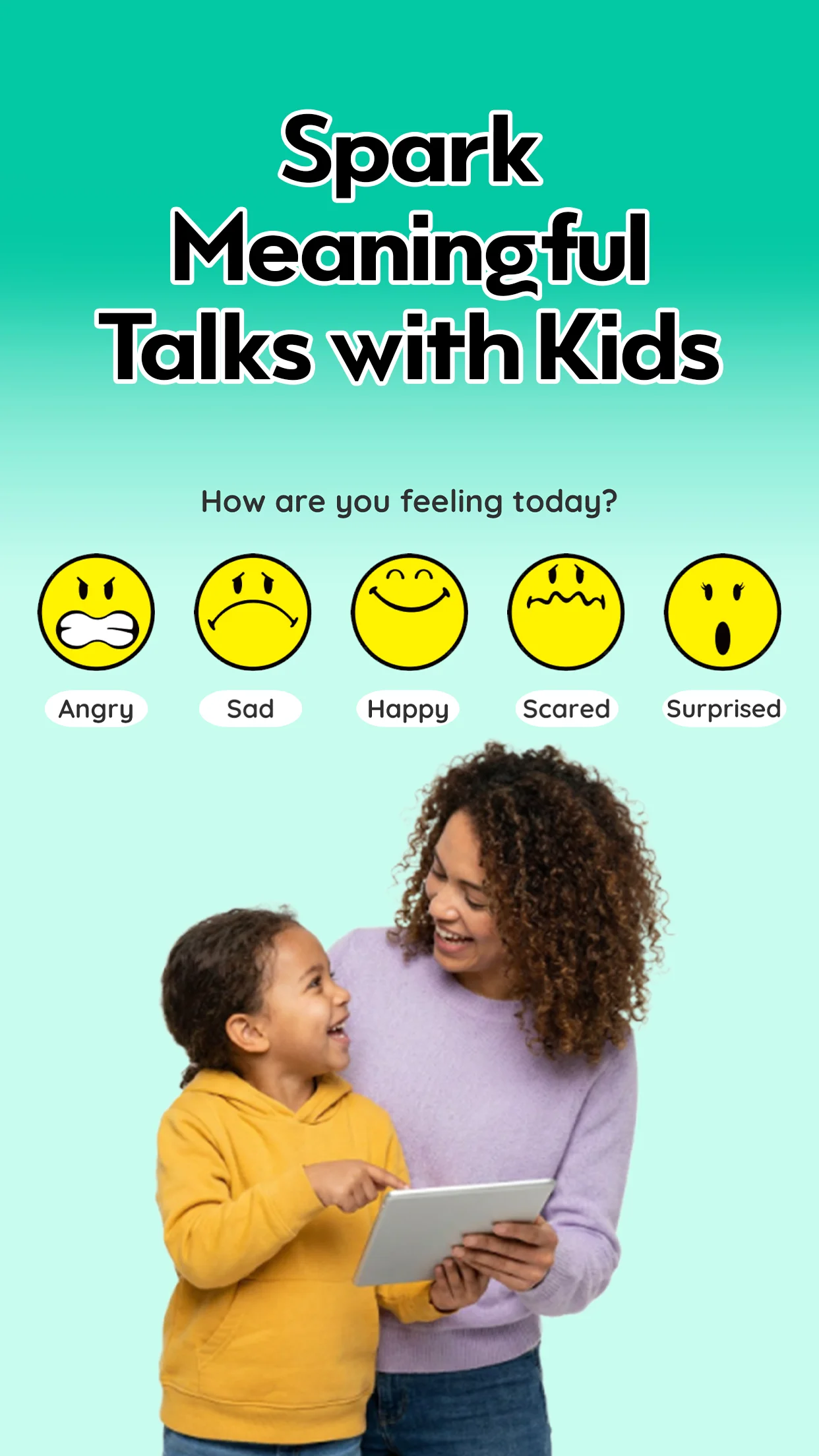
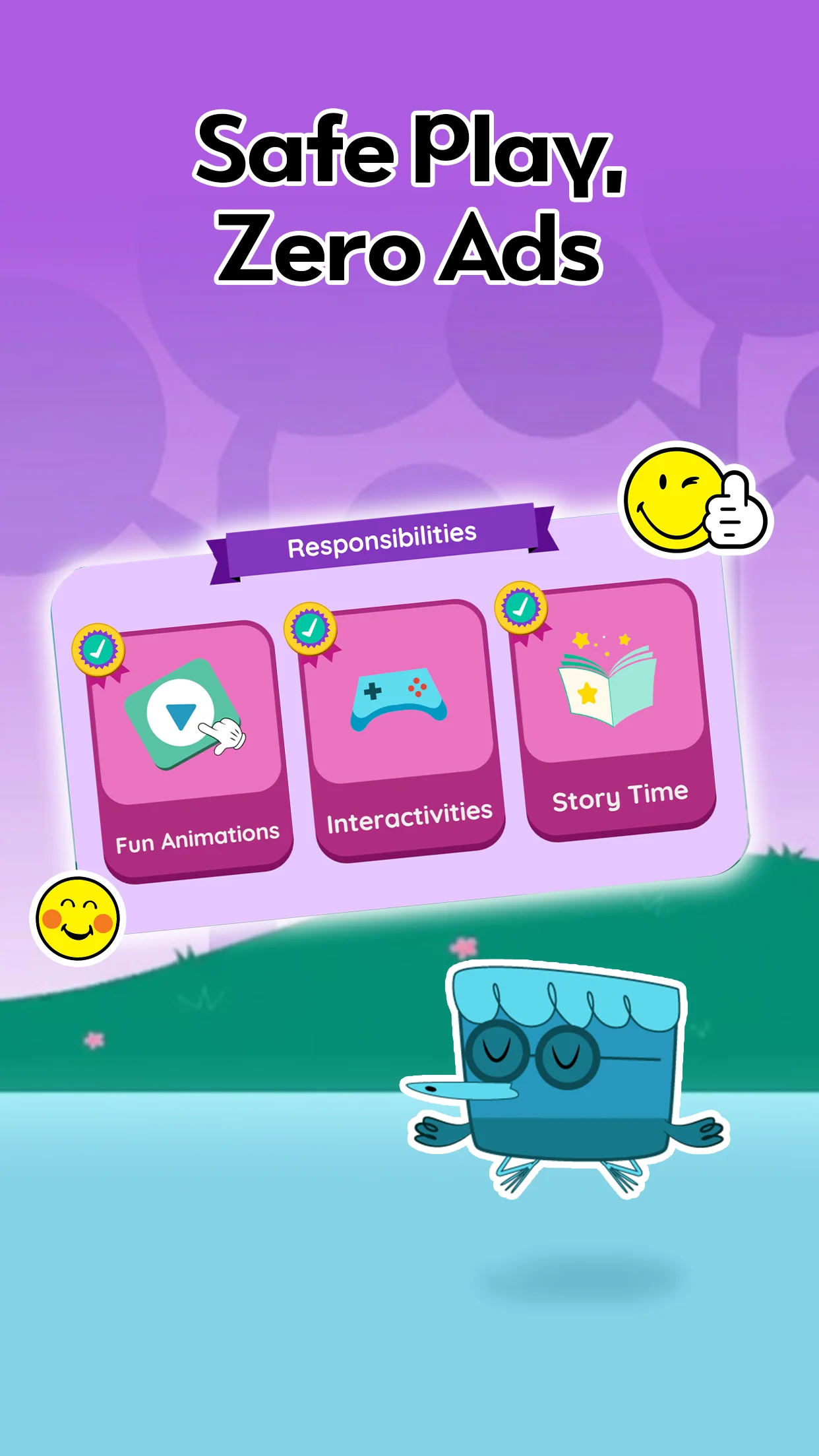
Every session begins with a simple mood check “How are you feeling today?”, and opens up to a world of five islands, each built around a different social and emotional skill. Inside every island are skills to learn, and every skill is taught three ways: an animated video that shows the idea, interactive questions that let children work through it themselves, and a short story that lands it in a situation they recognize. Complete all three and the skill is done.
What Kids Learn?
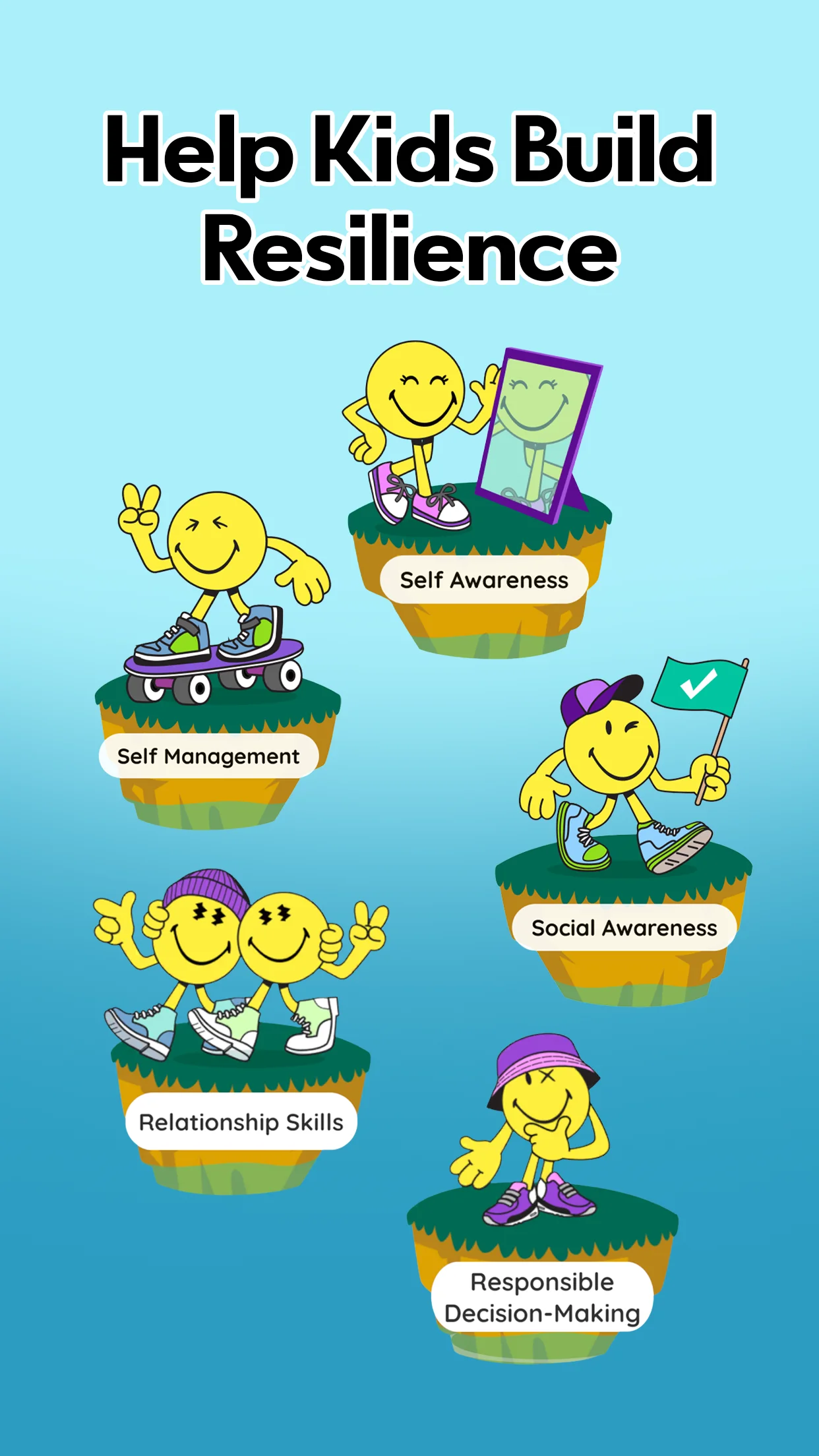
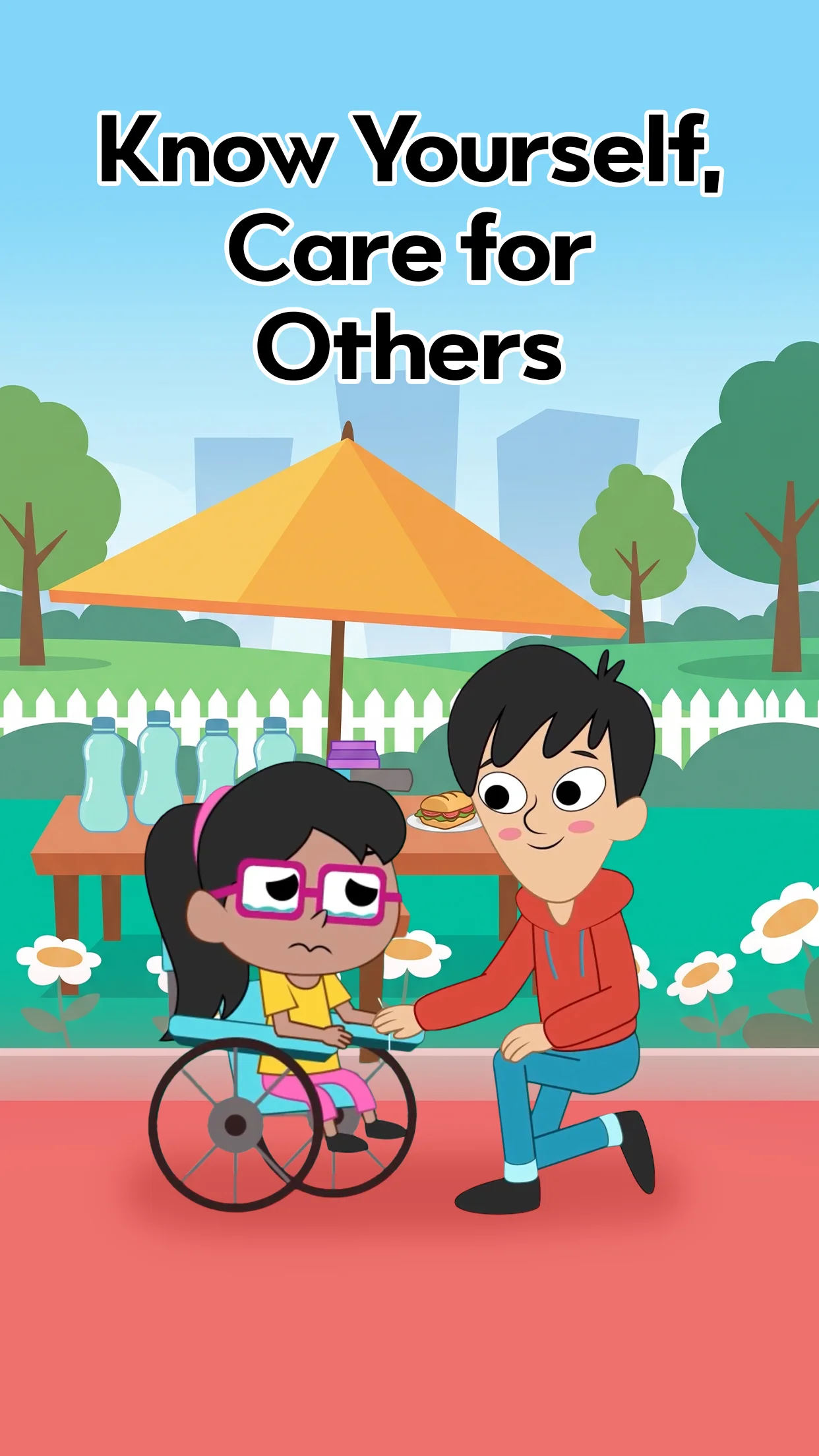
A feelings check-in provides the starting point. Stories, play and simple activities then help children explore emotions, understand others and discover what they can do when feelings feel big. In Happier Minds, children explore the five core areas of social and emotional learning through playful, hands-on activities. They start by noticing and naming what they feel, then move on to managing big feelings, understanding how other people feel, building friendships, and thinking before they act.
The game supports emotional vocabulary, empathy and everyday emotional confidence. Naming feelings helps children put words to what is happening inside. Recognizing emotions in others builds empathy and perspective. Practicing calming strategies and thoughtful choices gives children something they can actually do when feelings get big at home, at school and with friends.
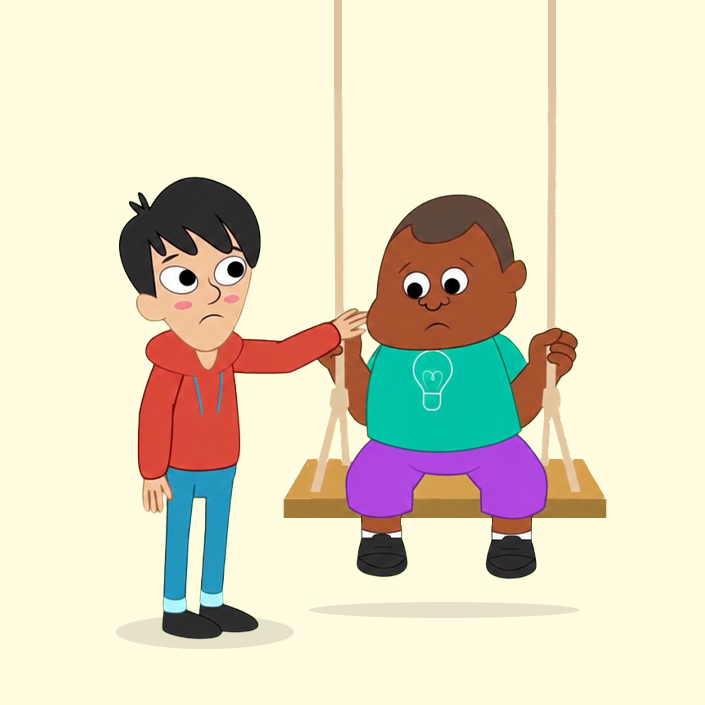
Social & Emotional Development
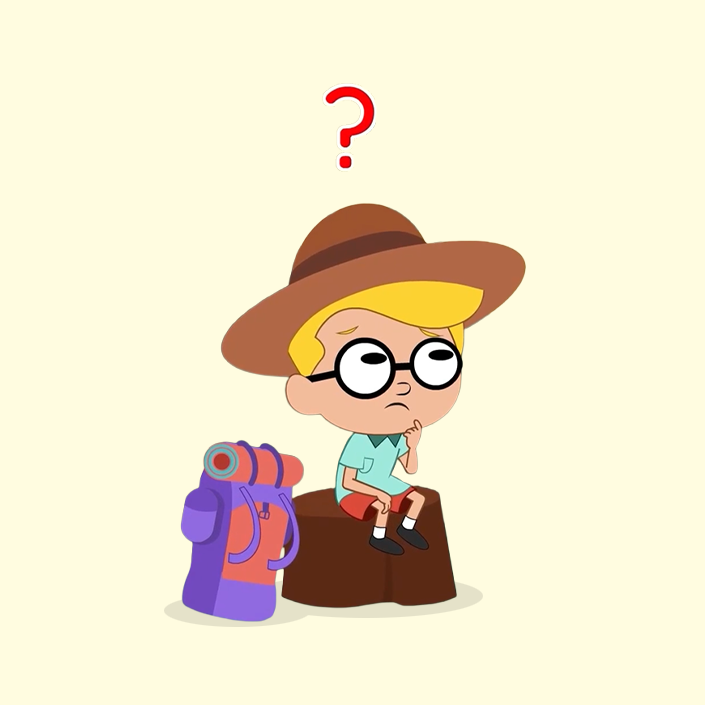
Mindfulness and Self Reflection
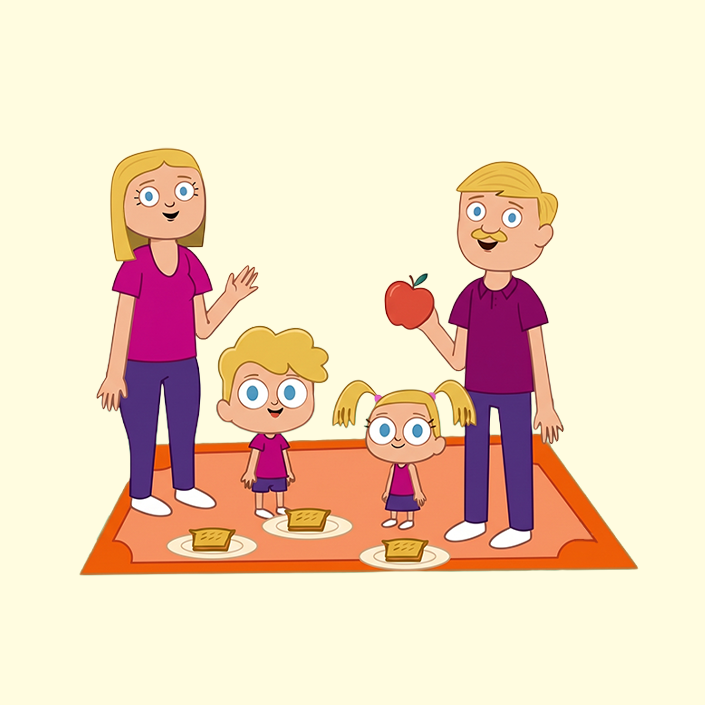
Promotes Family Bonding
Perfect for Kids Aged 4-7
Designed for kids aged 4-7, Happier Minds introduces social and emotional learning in a gentle, age-appropriate way. The game uses simple interactions, bright visuals and large tap-friendly buttons, so children can explore at their own pace with minimal parent help. There is no time pressure and no stressful failure state. Every activity is built to help kids notice, name, think and try, and every feeling is treated as valid, including anger, sadness and fear. Happier Minds gives children space to explore feelings through play and gives parents a way to continue the conversation together. The aim is for an on-screen moment to become a useful part of everyday emotional learning.
Core Learning Benefits
Turns Screen Time into Skill Time
Built on the Trusted CASEL Framework
Support Mental Health and Emotional Regulation
FAQs
What are the best social emotional learning games for kids?
+The best social emotional learning games for kids aged 4-8 are simple games built around how young children actually process feelings. Happier Minds helps kids practice naming emotions, managing big feelings, understanding other people, building friendships and making thoughtful choices through animated stories, interactive questions and playful challenges rather than worksheets.
How can I help my child talk about their feelings?
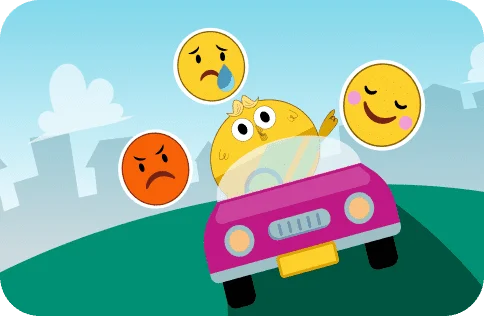
+Children often recognize a feeling long before they can explain it. Happier Minds gives them a visual way as SmileyWorld® characters wear emotions on their faces, so a child can point to how they feel before finding the words for it. Daily mood check-ins and short stories then build the vocabulary to describe what is going on inside.
What emotional skills should a 4 or 5 year old learn?
+At 4 and 5, children are usually learning to name basic feelings like happy, sad, angry and scared, to notice those feelings in other people, to wait and take turns, and to ask for help when they need it. Happier Minds supports these through simple, visual activities designed for young learners, and grows with them as they move toward school age.
Is Happier Minds good for teaching kids about emotions?
+Yes. Happier Minds is built specifically around emotional learning rather than adding it to another subject. Its five islands follow the five CASEL competencies: self-awareness, self-management, social awareness, relationship skills and responsible decision-making and the learning content has been approved by a subject matter expert.
What is the CASEL framework?
+CASEL stands for the Collaborative for Academic, Social, and Emotional Learning. Its framework sets out five core competencies behind most social and emotional learning programs: self-awareness, self-management, social awareness, relationship skills and responsible decision-making. In Happier Minds, each one is a separate island with its own set of skills to learn.
My child has big feelings that turn into meltdowns. Can this game help?
+Emotional skills are hardest to learn in the middle of a difficult moment. Happier Minds lets children practice while they are calm and playing noticing what a feeling looks like, naming it, and trying out what might help. It is not a treatment and it does not promise to stop difficult moments, but it gives children language and strategies they can draw on when feelings get big.
My child bottles things up and says 'I'm fine.' What should I do?
+Some children go quiet rather than melt down. Happier Minds uses expressive SmileyWorld® characters as a low-pressure way in a child can point to a face that matches how they feel without having to explain the story behind it yet, which can make starting a conversation a lot easier for both of you.
Can Happier Minds help my child with friendships?
+Yes. One of the five islands is dedicated to relationship skills, where children practice sharing, listening, cooperating, apologizing and working through small conflicts. A second island covers social awareness, helping children notice how other people might be feeling and why two people can feel differently about exactly the same thing.
Discover More Fun Games
Emotional Well-Being
Social Emotional Learning (SEL)
Play & Learn with Angry Birds
Emotional Expression & Creativity
Kids Hospital Game
Health Awareness & Empathy