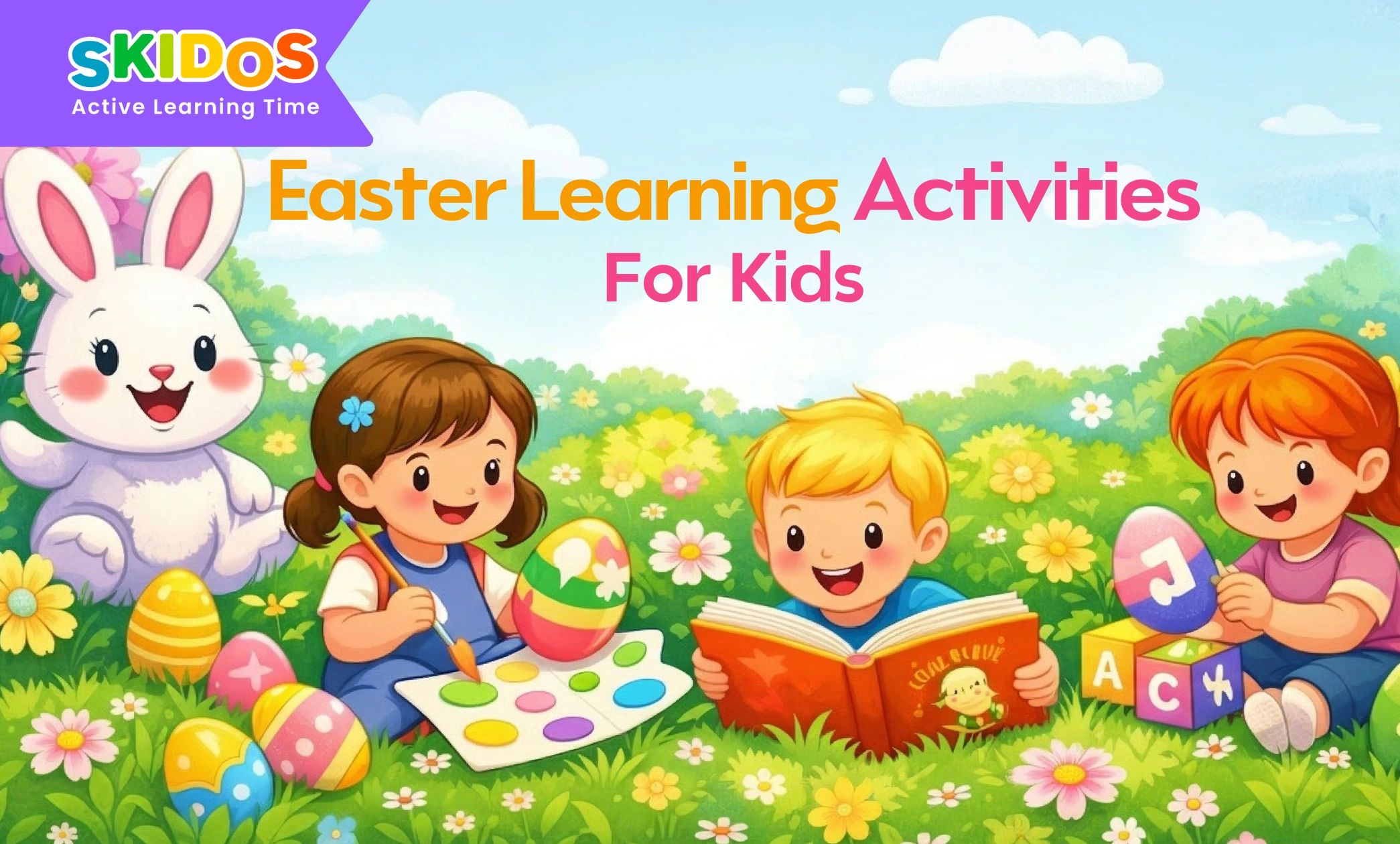
By blending storytelling, creativity, and learning games for kids, Easter can become a joyful learning experience rather than just another holiday on the calendar.
Bringing Easter Stories to Life
Children connect deeply with stories, especially during festive seasons. Reading Easter stories for kids can spark imagination and help them understand the spirit of kindness, sharing, and renewal that Easter represents.
Simple storytelling activities can turn reading time into a memorable learning moment. Parents can read a short Easter story and ask children questions like:
- What do you think the bunny will do next?
- Why do the characters help each other?
- What would you do if you were in the story?
These gentle conversations help children practice listening, build vocabulary, and learn how to express their thoughts. Some families even encourage kids to draw their favorite scene from the story or create a new ending. These creative twists make stories feel alive and personal.
Easter Games That Encourage Learning
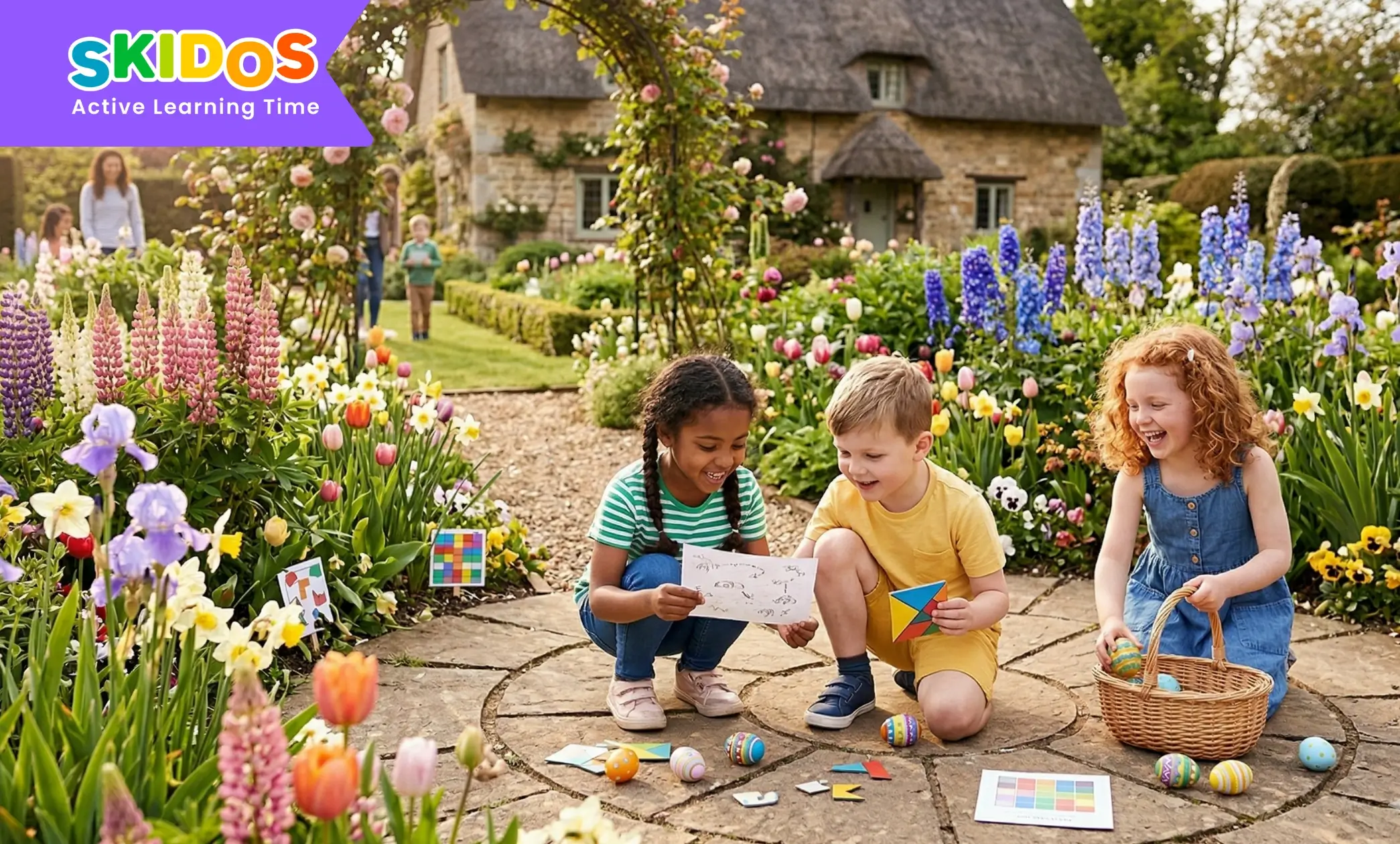
Games are one of the easiest ways to keep children engaged while developing important skills. Many parents already organize egg hunts, but with a small twist, these can become powerful learning games for kids.
For example, instead of simply collecting eggs, each egg can contain a tiny challenge:
- Solve a simple math puzzle
- Spell a small word
- Match shapes or colors
- Answer a fun riddle
As children search, think, and solve problems, they practice focus, memory, and reasoning without even realizing they’re learning. These playful moments build confidence because every solved clue feels like a small achievement.
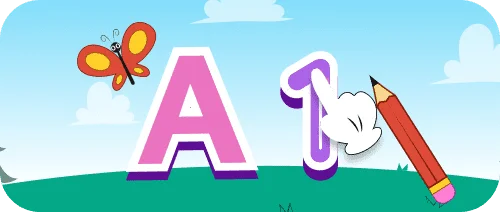
Digital learning games can also support these activities by reinforcing math, reading, and problem-solving skills through playful challenges that children enjoy exploring.
Creative Easter Activities That Spark Imagination
Creative play is another wonderful way to celebrate Easter. Craft activities help children slow down, focus, and express their ideas visually.
Some simple Easter activities for kids include:
- Decorating eggs with colors, stickers, or patterns
- Creating paper Easter bunnies and chicks
- Designing their own Easter greeting cards
- Making spring-themed drawings or paintings
These activities strengthen fine motor skills while encouraging children to experiment with colors and shapes. Just as importantly, creative play allows kids to feel proud of something they’ve made themselves.
Parents often notice that when children are given space to create freely, they naturally become more curious and confident.
Turning Playtime Into Meaningful Learning
One of the biggest benefits of combining Easter traditions with playful activities is that learning happens naturally. Whether children are listening to Easter stories for kids, solving puzzles during an egg hunt, or exploring learning games for kids, they are building important life skills.
They learn to think through problems, express emotions, collaborate with others, and stay curious about the world around them.
The goal isn’t to make Easter feel like a lesson. Instead, it’s about creating an environment where play, creativity, and discovery happen together. When children laugh, explore, and try new things, learning becomes a joyful part of their everyday experiences.
A Holiday Full of Discovery
Easter is more than colorful eggs and chocolate treats. It’s a chance to slow down, spend time together, and nurture a child’s curiosity through playful experiences.
By adding thoughtful Easter activities for kids, engaging Easter stories for kids, and interactive learning games for kids, parents can turn a simple celebration into a day filled with imagination, creativity, and meaningful learning.
And for children, those moments of playful discovery often become the memories they cherish long after the holiday has passed.
Frequently Asked Questions (FAQs)
How can I make Easter activities both fun and educational for my child?
Many parents like Easter traditions such as egg hunts and crafts, but they can also turn them into small learning moments. For example, you can hide eggs with simple math clues, word puzzles, or small storytelling prompts inside. Activities like these allow children to enjoy Easter while naturally developing problem-solving, reading, and thinking skills.
Are Easter stories helpful for improving my child’s reading interest?
Yes, seasonal stories often capture children’s attention more easily than regular reading exercises. Easter stories for kids introduce new words, characters, and ideas in a playful way. When parents read together and ask questions about the story, children become more confident readers and begin to develop stronger comprehension skills.
What types of learning games work well during Easter celebrations?
Short, playful activities work best during holidays. Parents often include puzzle-based egg hunts, memory games, simple spelling challenges, or number-matching activities. These types of learning games for kids feel like part of the celebration while helping children practice skills such as logic, focus, and early literacy.
How can creative Easter activities help my child’s development?
Creative activities like decorating eggs, drawing spring scenes, or making Easter cards help children express their imagination. At the same time, these tasks strengthen fine motor skills, patience, and attention to detail. Creative play also allows children to feel proud of what they create, which builds confidence.
Can learning games help keep children engaged during holiday breaks?
Holiday breaks can sometimes interrupt regular learning routines. Simple learning games for kids can help maintain curiosity and engagement without making children feel like they are studying. When learning is presented through play, children stay interested and continue practicing important thinking skills.
How can parents balance storytelling, play, and learning during Easter?
A simple approach is to mix different activities throughout the day. You might start with an Easter story for kids, follow it with a creative craft activity, and later play a few short learning games together. This balance keeps children excited while supporting reading, creativity, and problem-solving in a relaxed way.