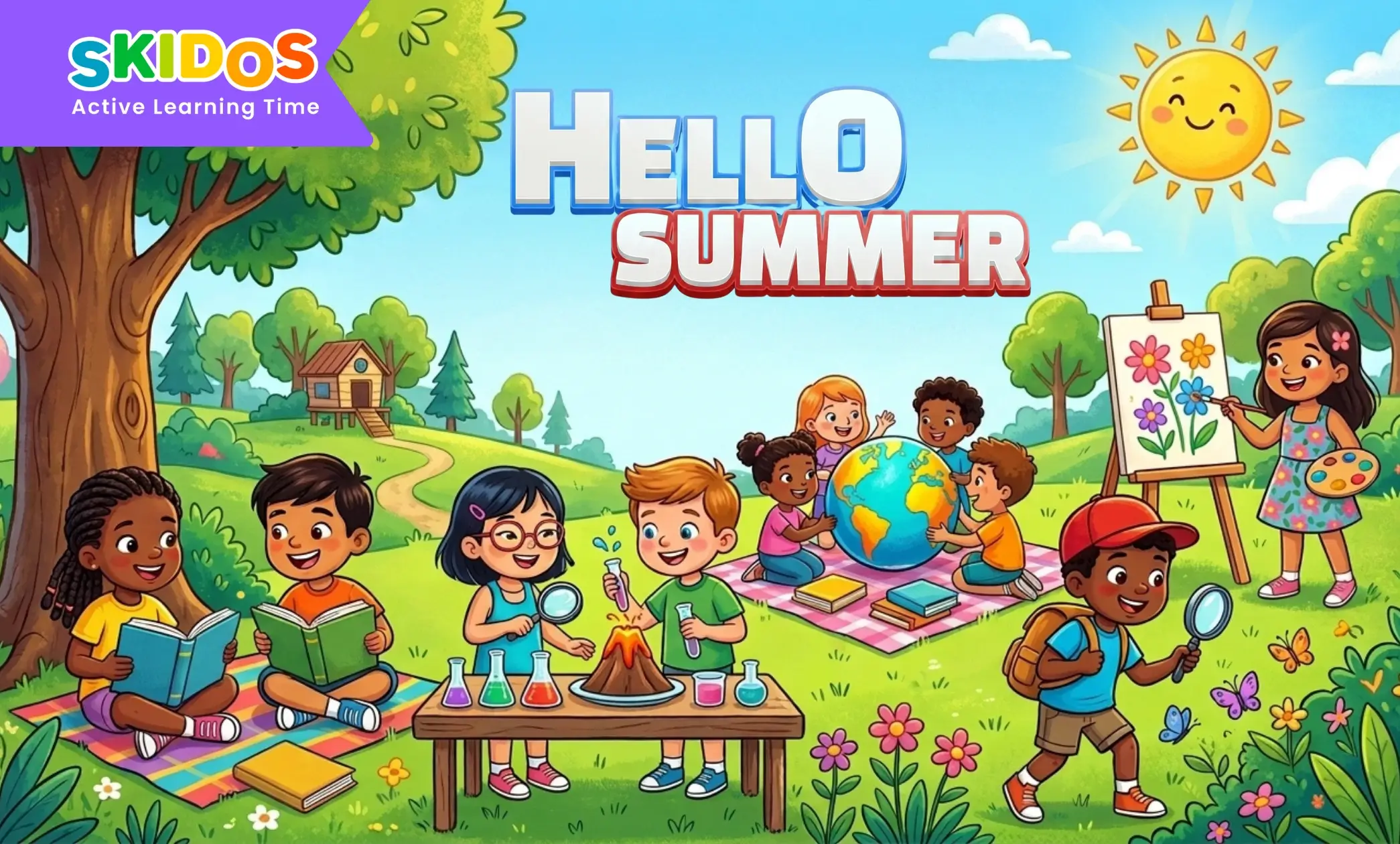
The answer isn’t worksheets or forcing study time. It’s something much simpler- turning everyday play into meaningful moments. That’s where summer learning games for kids come in.
With the right mix of learning games for kids and playful activities, summer can quietly become a season of growth, curiosity, and confidence.
Why Summer Is the Best Time to Learn Differently
During the school year, learning follows structure. Summer, on the other hand, gives kids something equally valuable— freedom.
When children are not under pressure, they explore more. They ask questions, try new things, and stay curious. This is exactly the kind of environment where educational games for kids work best.
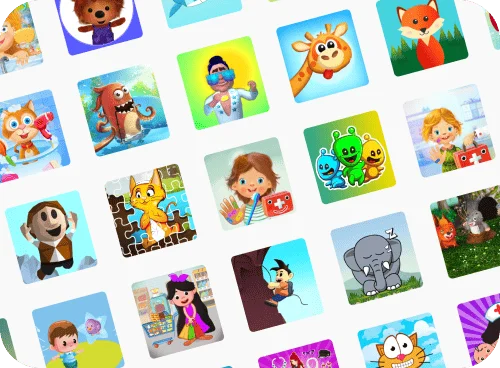
Platforms like SKIDOS are built around this idea, blending play with learning so children don’t even realize they’re building skills while having fun. With over 1000+ activities across math, reading, creativity, and social-emotional learning, kids can explore what interests them while still learning something new every day.
5 Ways to Turn Summer into a Learning Adventure
1. Let Kids Learn Through Play
The biggest shift parents can make is simple: stop separating play and learning.
Instead of saying “time to study,” introduce games that naturally build skills. For example:
- Puzzle games that improve thinking
- Story-based games that build reading
- Role-play games that develop empathy
For instance, the SKIDOS Angry Birds Learning Games combine storytelling with problem-solving, helping kids think before they act and understand emotions through play.
2. Turn Curiosity Into Daily Discovery
Summer is full of small moments: waiting during travel, relaxing at home, or winding down in the evening. These are perfect opportunities to introduce learning games for kids that feel light and engaging.
For instance, Play & Discover Game lets kids explore shapes, letters, and numbers through mini adventures, turning curiosity into everyday learning.
It doesn’t feel like practice. It feels like exploration.
3. Mix Creativity with Learning
Not every learning moment needs numbers or words. Creativity plays a huge role in development.
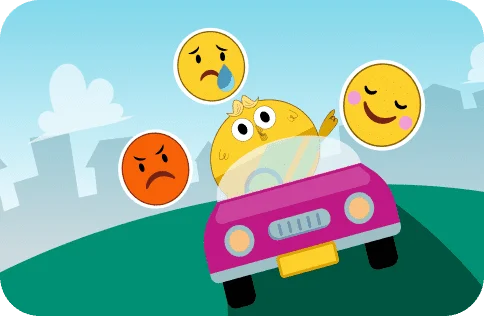
Coloring, storytelling, and imaginative play help kids express themselves and build confidence. Games like SmileyWorld Colours allow children to explore emotions through colors, combining art with emotional learning.
These are the kinds of educational games for kids that support both the mind and emotions.
4. Make Real-Life Skills Part of Play
Summer is also a great time to introduce real-world learning in a playful way.
Children love pretending, and that’s where role-play games shine. For example:
- Kids Hospital Game helps kids understand care, empathy, and routines.
- Hygiene and routine games teach everyday habits through interaction.
These experiences go beyond academics. They help children understand the world around them in a safe, engaging way.
5. Keep Math Fun (Without the Fear)
Math often gets pushed aside during holidays, but it doesn’t have to be boring.
Interactive math games for kids can turn numbers into something enjoyable. Instead of drills, kids solve puzzles, explore patterns, and build confidence step by step.
Games like Math Puzzle Game and other SKIDOS math activities help children practice without pressure, making math feel approachable and fun.
Why This Approach Works
Children learn best when they feel relaxed, curious, and in control. That’s exactly what summer offers.
When learning is built into play:
- Kids stay engaged longer
- They try without fear of failure
- They build confidence naturally
Even parents have noticed this shift. One review highlights how kids improve their ABCs and math skills while simply playing and pretending, showing how powerful learning games for kids can be when done right.
A Summer They’ll Actually Remember
At the end of the day, summer shouldn’t feel like an extension of school. It should feel like freedom, laughter, and discovery.
But that doesn’t mean learning has to stop.
With the right mix of educational games for kids, creative exploration, and playful challenges, summer becomes more than just a break; it becomes a season where kids grow without even noticing.
Frequently Asked Questions
Q. How can I create a daily summer routine that includes learning without making it feel like school?
A simple approach works best. Instead of fixed study hours, blend learning into playtime. For example, start the day with a short math game, add a creative activity in the afternoon, and end with a story-based learning game. This keeps routines flexible while still building consistency through learning games for kids.
Q. What type of learning games work best when kids have shorter attention spans during summer?
Short, interactive games with quick rewards work well. Mini-games that involve puzzles, coloring, or storytelling keep children engaged without requiring long focus periods. These types of educational games for kids match the relaxed nature of summer and prevent burnout.
Q. How can I make sure my child is actually learning while playing games?
Look for games that involve decision-making, problem-solving, or creativity rather than just tapping or watching. Games that ask kids to think, choose, or solve something, like math challenges or story-based scenarios, are more effective in building real skills.
Q. Can summer learning games help prevent learning loss between school years?
Yes, consistent exposure to learning games for kids helps reinforce concepts children have already learned. Even light daily interaction with math games or reading activities can keep skills fresh and make the transition back to school smoother.
Q. How do I choose between different types of educational games for kids?
A balanced mix works best. Include math games for kids for logical thinking, reading or alphabet games for language development, and creative or role-play games for emotional and social skills. This ensures well-rounded development during the summer.
Q. What are some signs that a learning game is too easy or too difficult for my child?
If a child loses interest quickly, the game might be too easy. If they get frustrated or give up often, it may be too challenging. The right learning games for kids should feel slightly challenging but still enjoyable, encouraging kids to try again without pressure.
Q. How can I encourage independent learning during summer break?
Give children the freedom to choose from a set of pre-approved learning games. When kids feel in control, they are more likely to stay engaged. This approach helps them build independence while still benefiting from educational games for kids.
Q. Can learning games support skills beyond academics during summer?
Absolutely. Many learning games for kids include activities that build focus, patience, creativity, and emotional understanding. These skills are just as important as math or reading and help children grow in everyday life situations.