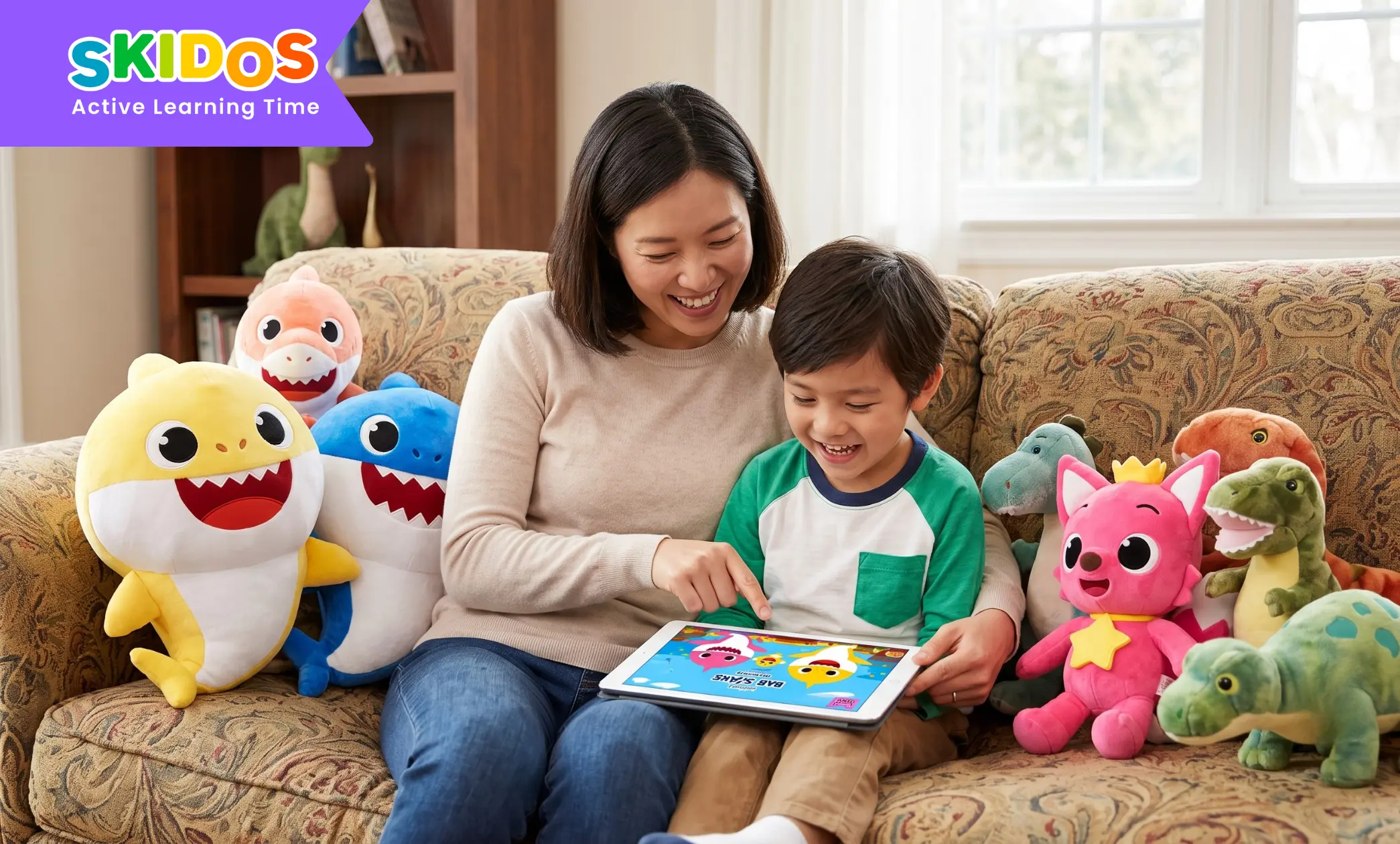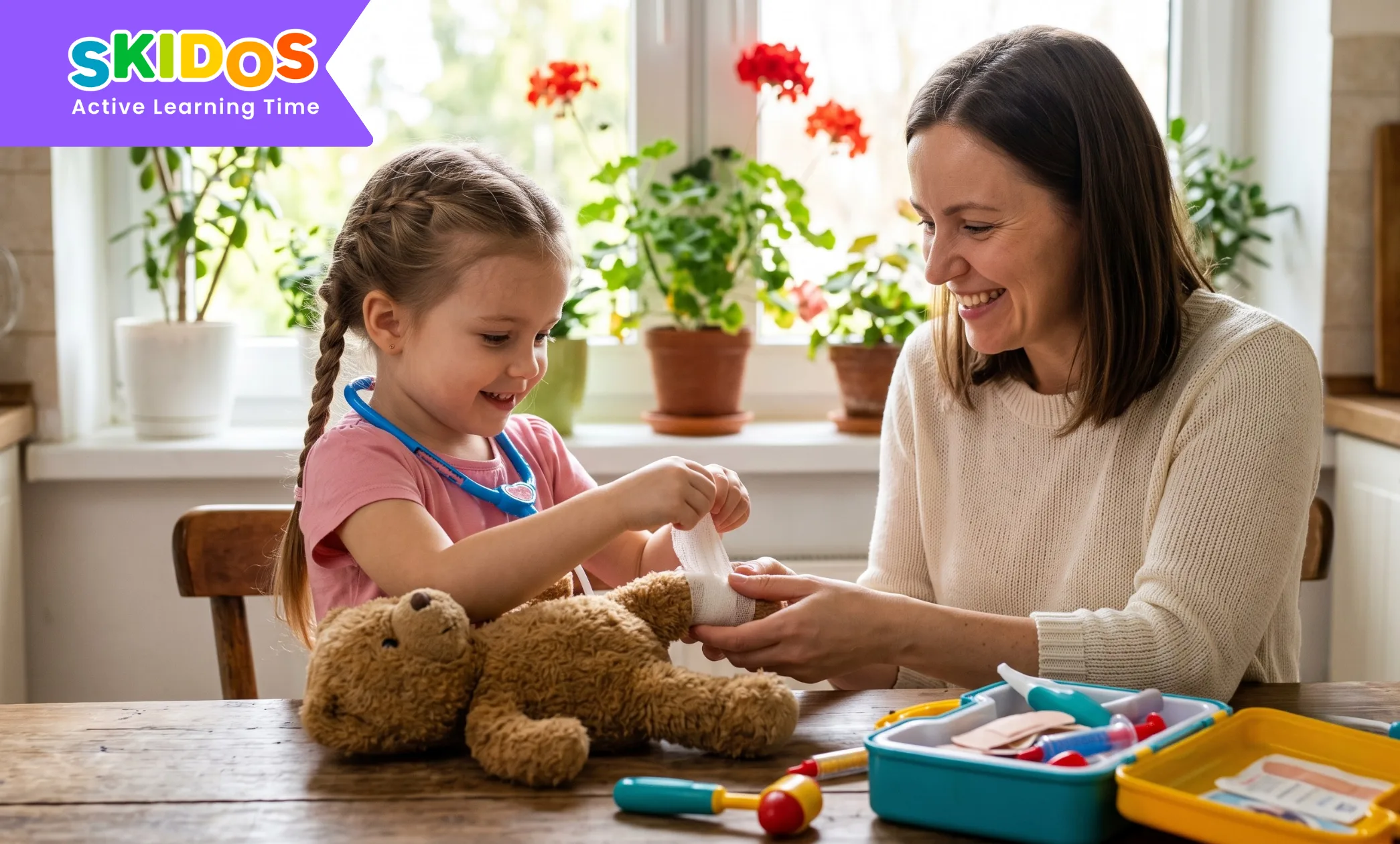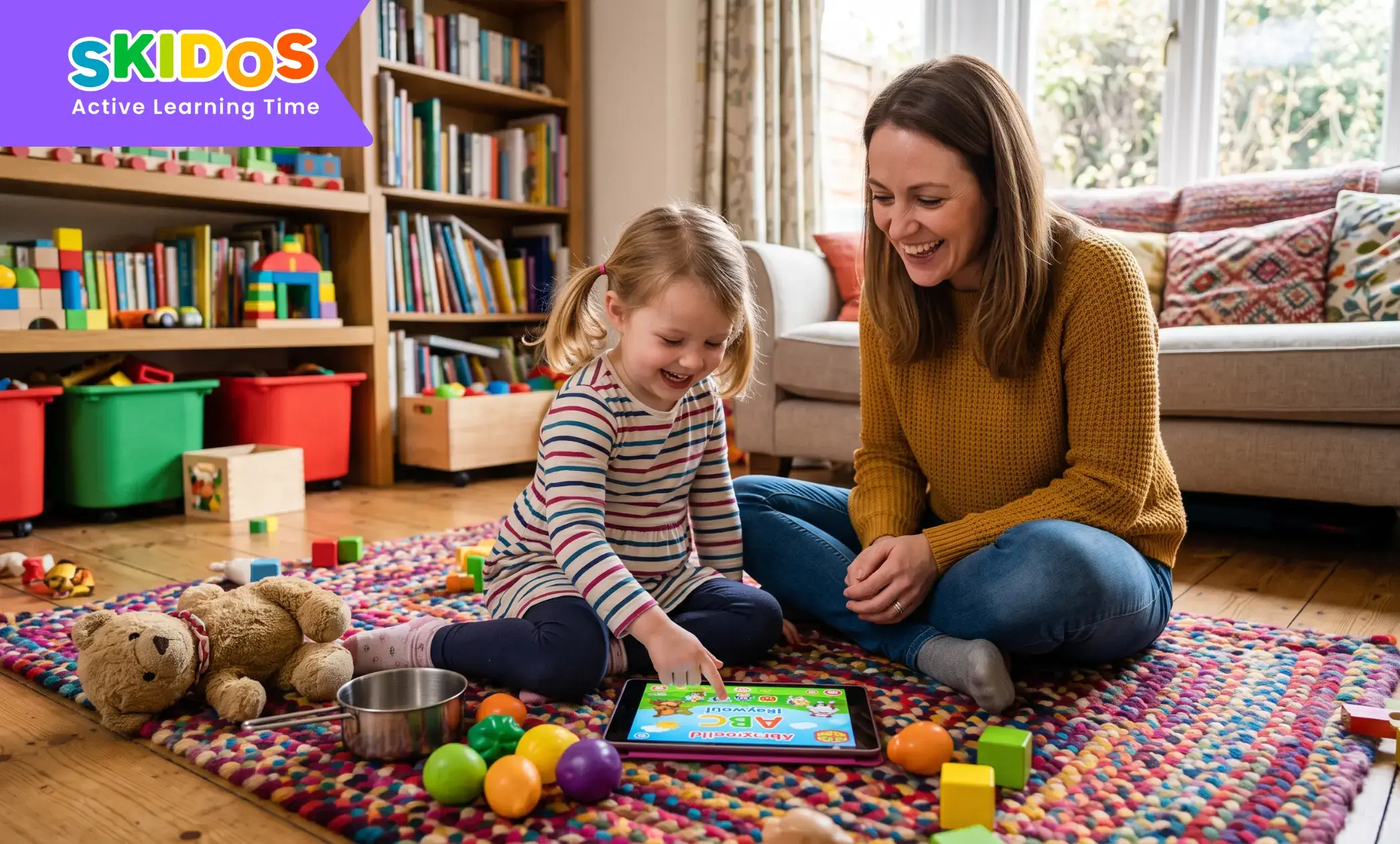
Every parent has seen it. Your child presses a toy thermometer to a stuffed animal and says, “Don’t worry, you’ll be okay.” It’s a small moment — but it’s how kids first learn kindness and care.
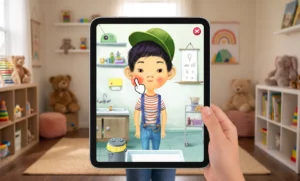
That’s the idea behind . The game gives children a stethoscope and gentle patients to look after. And in doing so, it becomes one of the best ways to build social-emotional learning in the early years.
Playing Doctor Builds Empathy
Empathy is a skill. Children learn it by practicing, and pretend-play is where they start.
When a child plays a doctor game, they have to imagine how the patient feels. Is the teddy bear scared? Does the bunny’s ear hurt? To help, the child first has to notice those feelings and respond with care.
Doctor games for kids do this even better than a toy kit. On screen, a patient can look sad, then smile once they feel better. The child sees the result of their kindness right away. That simple feedback is exactly how empathy grows.
SKIDOS Turns Play Into Learning
With SKIDOS, empathy isn’t left to chance. It’s built into the game. The emotional wellbeing module design follows the trusted CASEL framework for social-emotional learning, which covers five simple skills:
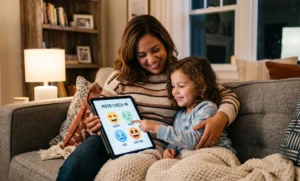
- Self-awareness — Daily mood check-ins help kids name what they feel.
- Self-management — Calming tools like breathing and taking a break help kids handle big feelings.
- Social awareness — Caring for patients teaches kids to notice how others feel.
- Relationship skills — Gentle, caring scenes model kindness.
- Good decisions — Choosing the right tool for each patient builds careful thinking.
In the game, kids treat five patients — a flu, an earache, a toothache, an X-ray, and a small cut. Each one asks the child to think about how the patient feels, not just what to do.
That’s what makes it real social-emotional learning, not just a game.
Why Emotional Wellbeing Matters
For young kids, emotional wellbeing is the base for everything else. A child who can name their feelings, calm down, and understand others is ready to learn and make friends.
SKIDOS treats this as its own lesson. Instead of loud rewards and points, it uses a calm, story-based design that feels safe. Kids learn to:
- Understand their feelings — like worry, excitement, or frustration.
- Share their feelings — in a healthy, simple way.
- Stay positive — building confidence through small, gentle challenges.
And it shows at home. After regular play, many parents say their child talks about feelings more and pauses before reacting. As one parent put it, their daughter now “checks her mood every morning and tells me what she’s feeling.”
Made for Every Child
SKIDOS Doctor Games is built to include everyone. It supports neurodivergent learners, including kids with ADHD, dyslexia, dysgraphia, and dyscalculia, with content made just for them.
This matters a lot. Children who see the world differently often gain the most from a calm, visual, repeatable way to practice reading feelings. SKIDOS makes sure no child misses out on these early lessons.
More Than Empathy
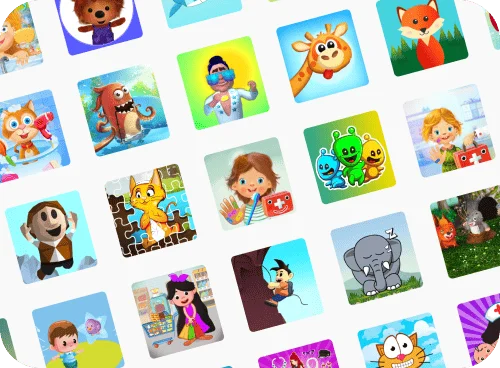
Empathy and feelings come first, but SKIDOS gives more. The game packs in 1000+ activities, including:
- Math — numbers, adding, subtracting, and shapes
- Reading — phonics, tracing, and fun stories
- Curiosity — videos and role-play about health and caring
So one play session grows a child’s heart and mind. These well-rounded learning games make screen time feel worth it.
Better Than Passive Screen Time
Not all screen time is the same. Watching videos asks nothing of a child. Doctor games for kids do the opposite — they ask for care and thought at every step.
The difference is simple:
- The child is the helper, not just a watcher.
- Patients react to kind, correct care.
- Mistakes are gentle, so kids feel safe to try.
That’s exactly what experts recommend for building emotional skills.
Getting Started
If you want screen time that grows your child’s heart as well as their head, SKIDOS Doctor Games is a great place to start. It’s made for kids aged 3–10, works great on iPad, and comes with a free trial.
Start with the SKIDOS Doctor Games for Kids, then explore the to see the full journey.
Because the best way to raise a kind, confident child isn’t to lecture them about feelings. It’s to hand them a stethoscope, give them a patient who needs care, and let empathy grow.