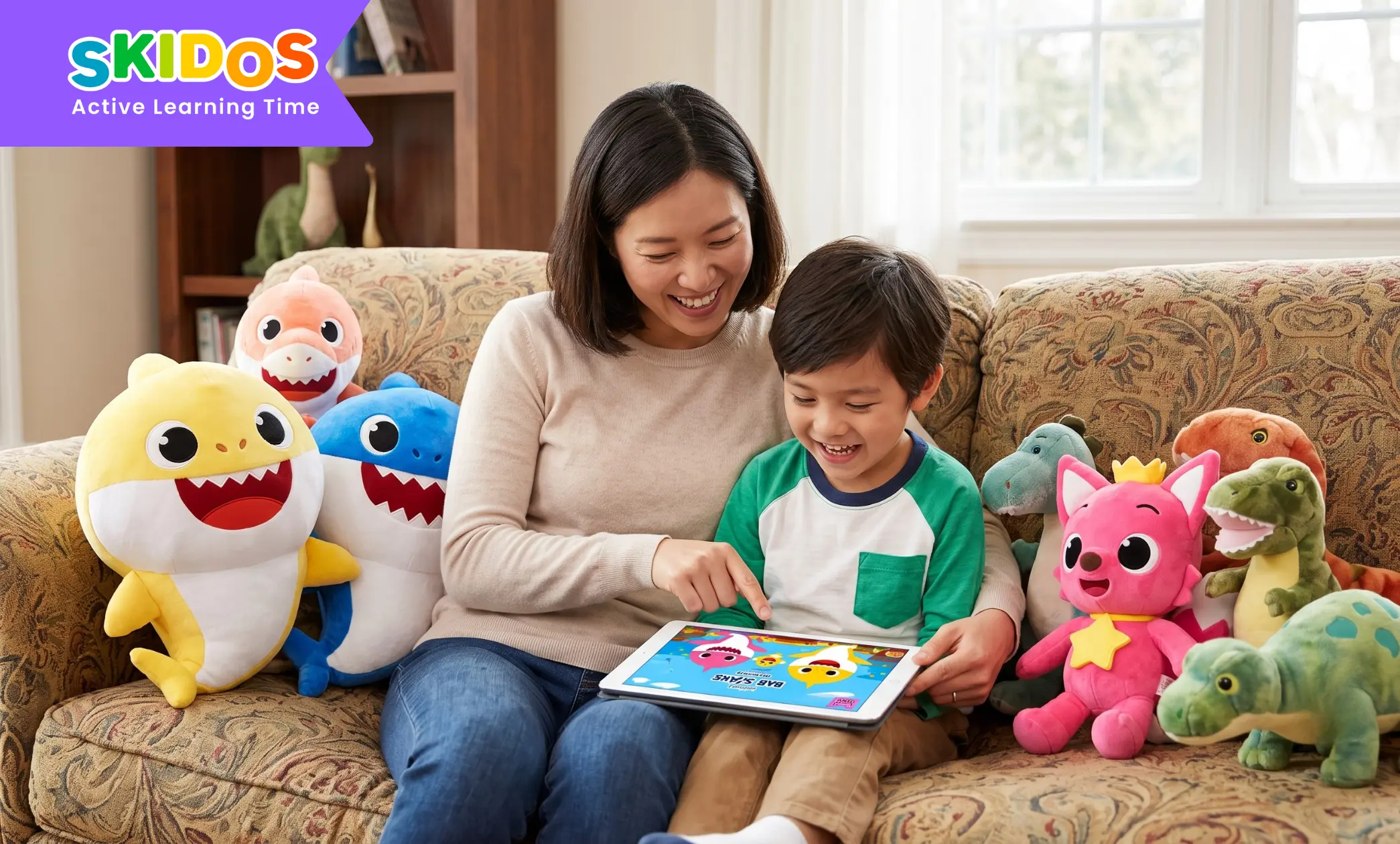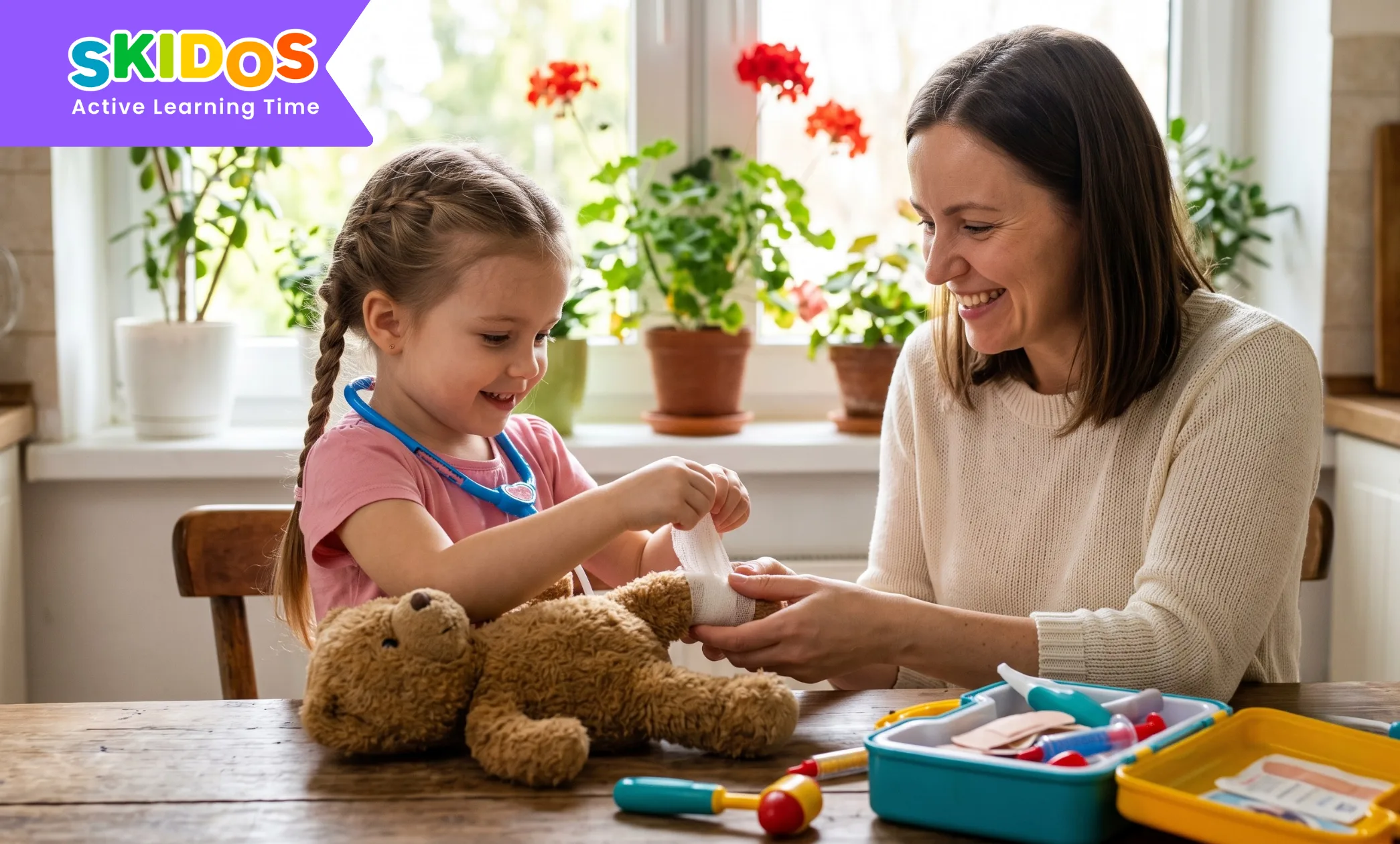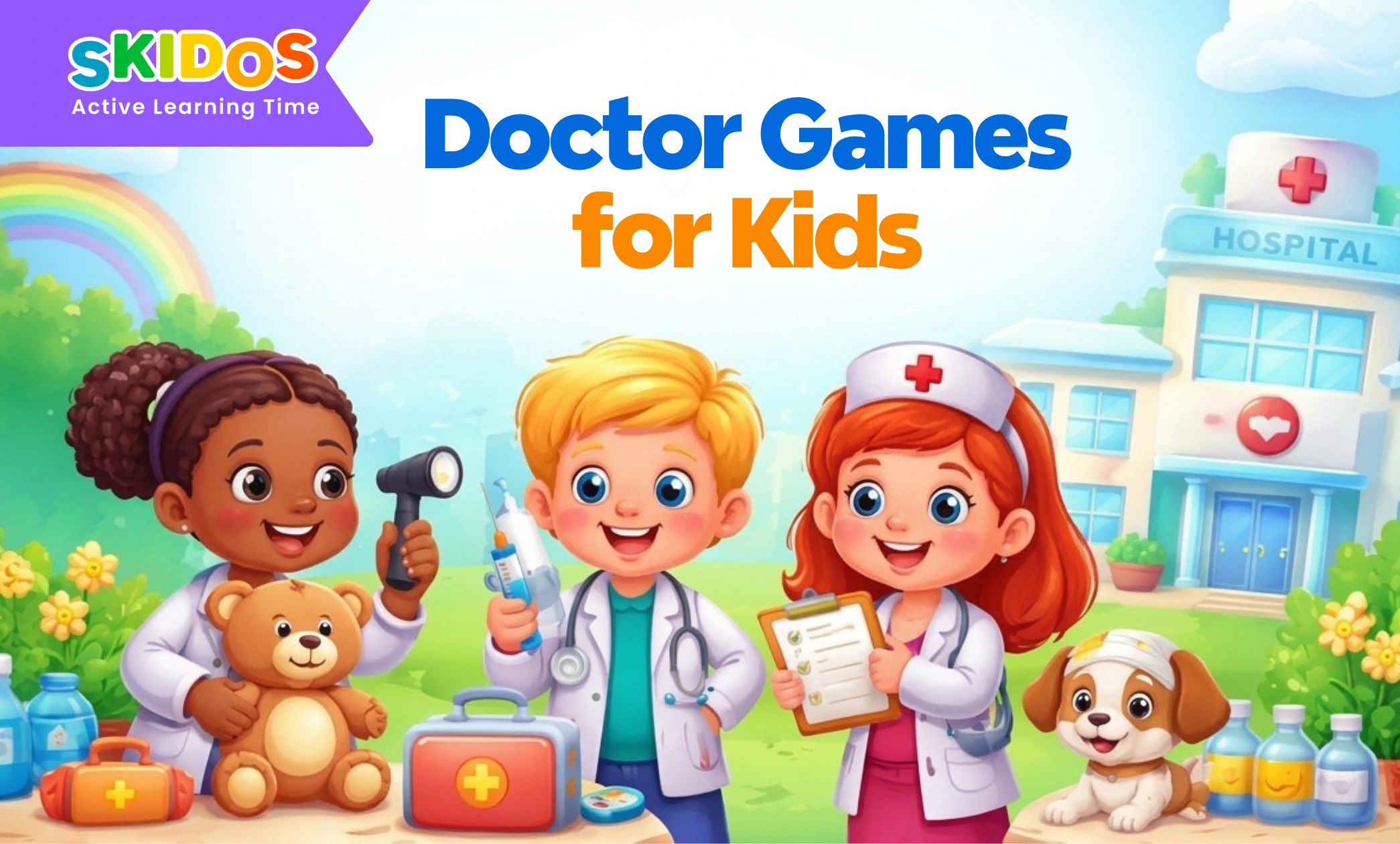
This is where something as simple as play can make a real difference. Thoughtfully designed doctor games for kids offer a gentle way to introduce children to medical settings — long before they actually step into one.
Why Children Feel Anxious About Doctors
Fear often comes from the unknown. When children don’t understand what a doctor does or why a visit is needed, their imagination can fill in the gaps. Even small things — like a stethoscope or a hospital bed — can feel intimidating.
What helps most is familiarity. When children see and experience these situations in a safe, playful setting, they begin to understand them better. That’s why role-based learning games for kids can be so powerful. They create a space where children can explore without pressure.
Turning Fear into Curiosity Through Play
Doctor-themed games allow children to step into both roles — the patient and the helper. They might check a heartbeat, care for a character, or solve small medical challenges. These simple actions slowly replace fear with curiosity.
Instead of worrying about what might happen at a hospital, children begin to see it as a place where people feel better. This shift in perspective is subtle but important.
Many educational games for kids use storytelling and role-play to create this sense of comfort. When children are part of the story, they feel more in control, which naturally reduces anxiety.
Building Understanding in a Gentle Way
One of the biggest benefits of doctor games is how they simplify complex ideas. Children learn that doctors are helpers, tools are used for care, and visits are meant to keep them healthy.
These ideas are not taught directly — they are experienced. For example, a child might use a virtual stethoscope or help treat a character. Through these small interactions, they begin to understand what happens during a real visit.
This kind of exposure makes real-life situations feel more familiar. Over time, what once felt scary starts to feel manageable.
Encouraging Empathy and Emotional Growth
Doctor games don’t just reduce fear — they also help children understand emotions. When they care for a character who isn’t feeling well, they begin to recognize feelings like discomfort, worry, and relief.
This builds empathy. Children start to understand that others need care and kindness, which is an important part of emotional development.
In many learning games for kids, these moments are woven into the experience naturally. Children aren’t told to be empathetic — they simply practice it through play.
Supporting Confidence Before Real Experiences
When children feel prepared, they feel more confident. A child who has played doctor before is less likely to feel overwhelmed during an actual visit.
They may recognize tools, remember what happens during a check-up, or simply feel more at ease because it’s not entirely new. This sense of familiarity helps reduce resistance and builds trust.
That’s why parents often look for doctor games for kids as part of early learning. It’s not just about play — it’s about preparing children for real-life experiences in a calm and supportive way.
A Thoughtful Way to Learn Through Play
The best educational games for kids don’t feel like lessons. They feel like stories, adventures, and small discoveries. Doctor games are a perfect example of this balance.
They allow children to explore something that might otherwise feel scary and slowly turn it into something they understand. Over time, this builds not just knowledge, but confidence and emotional resilience.
Sometimes, the simplest way to help a child feel brave is to let them play.
Frequently Asked Questions (FAQs)
Q. How do doctor games for kids help reduce the fear of hospitals?
Doctor games introduce children to medical environments in a safe and playful way. By interacting with tools and scenarios, children become familiar with what happens during a visit, which helps reduce fear.
Q. At what age should children start playing doctor-themed games?
Children can start as early as preschool age. Simple, interactive experiences are especially helpful for younger kids who are just beginning to understand real-world situations.
Q. Do learning games for kids really help with emotional development?
Yes. Learning games often include storytelling and role-play, which help children understand emotions, practice empathy, and build confidence through experience.
Q. How do educational games for kids explain complex situations like doctor visits?
They break down experiences into simple, interactive steps. Children learn by doing — checking a heartbeat, helping a character — which makes the experience easier to understand.
Q. Can these games make real doctor visits easier?
They can help children feel more prepared and less anxious. Familiarity with tools and routines often makes real visits feel less overwhelming.
Q. What should parents look for in doctor games for kids?
Parents should look for games that focus on gentle interaction, clear storytelling, and age-appropriate activities that help children understand care, empathy, and simple medical concepts.