At SKIDOS, we think kids should learn about emotional intelligence by actually doing things, not just listening to people talk about it. So we made sure that our games and fun activities also teach emotional learning in a way that feels natural.
What Is Social Emotional Learning?
Social Emotional Learning helps children get the skills that are required to live their lives. These skills are really important for Social Emotional Learning. They include things like:
- Being able to get along with people
- Learning how to control their feelings
- Figuring out how to make good choices
Social Emotional Learning is very important for children because it teaches them these essential social skills that they will use for the rest of their lives, with Social and Emotional Learning.
- Recognizing Emotions
- Stress and Anger
- Engaging in acts of empathy
- Making informed decisions requires making thoughtful choices.
These skills have an impact on how children learn and interact with the world around them. When children use these skills, they do better in school. They are also able to talk to people more easily. Children who practice these skills regularly are more confident when they face challenges.
Why Daily Social Emotional Learning Activities Matter
Emotions are always happening to kids. They feel emotions all the time. For example, children get upset when they have a fight with a friend, or when they lose a game, or when they feel really overwhelmed. These things can feel very big to children. Emotions like these happen to kids every day.
That is why daily social-emotional learning activities are really important. Small things that kids do every day can make a difference. These daily activities help children:
1) Normalize Big Feelings
When we deal with things every day, it helps us get better at handling our feelings. This is like how going to the gym helps our bodies get stronger. Daily exposure to things that challenge us gradually makes our emotional muscles stronger, like physical exercise makes our physical muscles stronger.
2) Learning Emotions Through Play
Kids do not learn things just because someone tells them how they should feel. They learn when they do things for themselves. When children are doing something they’re really interested in, that is when they learn the most. Children learn by doing things and figuring things out on their own, like when they’re playing or trying to solve a problem. This is how kids learn things and gain knowledge about the world around them.
Educational games for kids are really good for learning. These games are like a place where kids can try things and see how they feel without worrying about doing something wrong. They can do this with the help of stories and the characters in the games. Educational games for kids make learning fun and easy to understand.
At SKIDOS, we make sure that learning about feelings and getting along with others is a part of the games. This way, social emotional learning is not something that stops the fun; it is actually the thing that happens when kids play.
➡️ Turn your child’s screen time into a playground for emotional growth. [Download the SKIDOS app to explore 40+ learning games] that make building emotional intelligence a natural part of play.
3) Everyday Social Emotional Learning Activities for Children
Here are a few simple, effective emotional learning activities that easily fit into daily routines:
a) Emotional Awareness Games
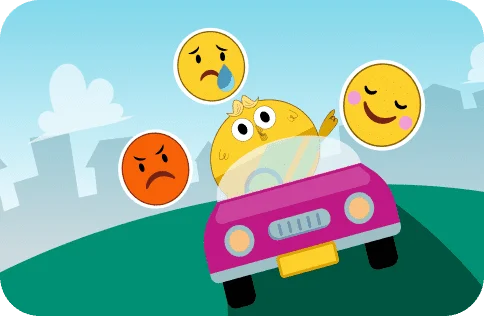
We have activities that help kids know how they are feeling. These activities teach kids about emotions like happiness, sadness, anger, and excitement. Kids can learn about these emotions with games. These games show kids pictures of people or situations. Ask them to say how the person is feeling. This helps kids understand emotions like happy, sad, angry, or excited. It makes these emotions easier for kids to understand. The games are a way for kids to learn about emotions, like happy, sad, angry, or excited.
b) Story-Based Roleplay
Kids really get a lot out of story-based roleplay activities. These activities help children understand life from another person’s point of view. When kids take part in storytelling, they get to make choices and see what happens next. They experience the consequences of their choices. Think about how they feel. This helps kids develop empathy and understand things from people’s perspectives. Story-based roleplay activities are great for kids because they help them learn to see things from people’s point of view, which is really important.
c) Relax and Focus Activities
Learning to control your feelings is a part of social and emotional learning. When kids play games that help them breathe deeply, take on challenges, or focus quietly, they get to practice ways to deal with their emotions. This is something that will really help them in their life. Playing these kinds of games can really make a difference in learning to control your feelings and manage emotions.
d) Social Problem-Solving Play
Playing games that involve sharing and taking turns, and also cooperating with others, can really help kids learn how to deal with situations in a good way. They can do this without feeling like they are being judged by adults or feeling much pressure. Games like these are great for kids because they teach them about sharing, taking turns, and cooperating with others.
Importance of Social Emotional Learning Curriculum
Doing things on your own can be helpful. To really grow and learn, kids need a plan for learning about feelings and getting along with others. A good program for learning about feelings and social skills is really important. It should be the thing that you focus on. A strong program for learning about feelings and social skills:
- Step-by-step development of skills
- Reinforcing learning through repetition
- Adapts to different ages and abilities
- Empower Your Children With Confidence and Emotional Intelligence
Emotional intelligence is not about hiding the feelings we have. It is about knowing what these feelings are and dealing with them in a way. Kids learn how to do this when they do emotional learning activities:
At SKIDOS, we want to make the time kids spend looking at screens really count. We do this by making educational games for kids that are fun and also help them learn. When kids play our games, they are growing in a good way. This is because we use a combination of playing, telling stories, and designing games that help kids understand their feelings and get along with others. Our goal at SKIDOS is to help kids become emotionally smart, and we do this one happy moment at a time with our educational games for kids.
Once children feel emotionally secure, learning becomes intuitive. And when learning is treated as a playful pursuit, growth occurs effortlessly.
FAQs:
1. What are social-emotional learning activities for kids?
Social-emotional learning activities are everyday games and experiences that help children understand their feelings, express themselves, and connect better with others. They teach kids how to recognize emotions, calm themselves, show kindness, and make thoughtful choices in a way that feels natural and age-appropriate.
2. Why should children practice social-emotional learning every day?
Kids experience big emotions every single day—frustration, excitement, anger, disappointment. When social-emotional learning becomes part of their daily routine, children slowly learn how to handle these feelings with confidence. Regular practice helps them stay calmer, communicate better, and bounce back more easily from tough moments.
3. How do games help children learn about emotions?
Children learn best when they’re having fun. Educational games allow kids to explore emotions through stories, characters, and choices without the pressure of “getting it right.” As they play, they naturally learn empathy, emotional awareness, and problem-solving—without even realizing they’re learning.
4. What are some simple social-emotional learning activities parents can use at home?
Simple activities like talking about emotions, role-playing stories, taking calming breathing breaks, or playing games that involve sharing and teamwork can make a big difference. These small moments help children practice managing feelings, understanding others, and working through challenges in everyday life.
5. Why is a structured social-emotional learning curriculum important?
While small activities help, a structured social-emotional learning curriculum ensures children build emotional skills step by step. It reinforces learning over time and adapts to a child’s age and pace. This steady approach helps kids grow into confident, emotionally aware learners both inside and outside the classroom.
6. How does SKIDOS support social-emotional learning through play?
At SKIDOS, learning about emotions happens naturally through play. Our educational games combine storytelling, challenges, and meaningful choices to help kids understand their feelings and relate better to others. We make sure screen time is not just fun, but also helps children grow emotionally—one happy moment at a time.
➡️ Ready to help your child become more confident, caring, and resilient? [Get the SKIDOS app today] and start building essential life skills one happy moment at a time!